How to fight misinformation on coronavirus
False information about the coronavirus can seemingly spread like wildfire online, but new research finds there are ways to combat it. Axios media reporter Sara Fischer joined CBSN with more.
Watch CBS News
False information about the coronavirus can seemingly spread like wildfire online, but new research finds there are ways to combat it. Axios media reporter Sara Fischer joined CBSN with more.
The study comes one day after Georgia's death toll from the virus passed 1,000.
The agency has updated its list to include: chills, repeated shaking with chills, muscle pain, headache, sore throat and new loss of taste or smell.
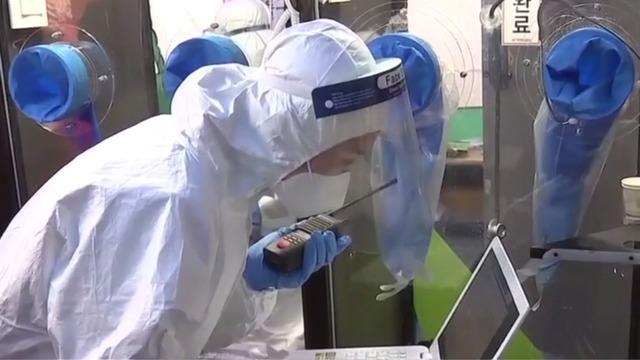
The World Health Organization warns there is currently no evidence that people who have recovered from the coronavirus are protected from a second infection. South Korea’s CDC says that 268 patients have retested positive after it was thought they recovered. Dr. Tara Narula speaks to doctors about what we know about immunity and reinfection of the virus.
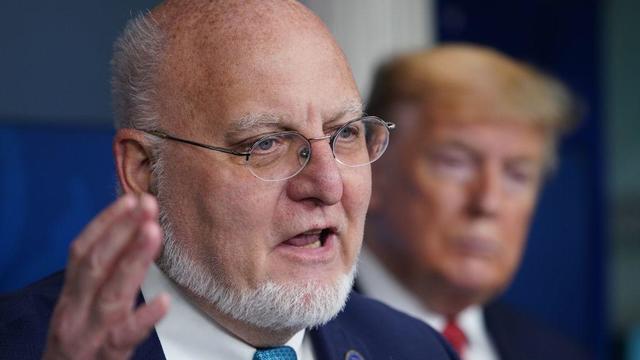
"There's a possibility that the assault of the virus on our nation next winter will actually be even more difficult than the one we just went through," CDC Director Robert Redfield said.
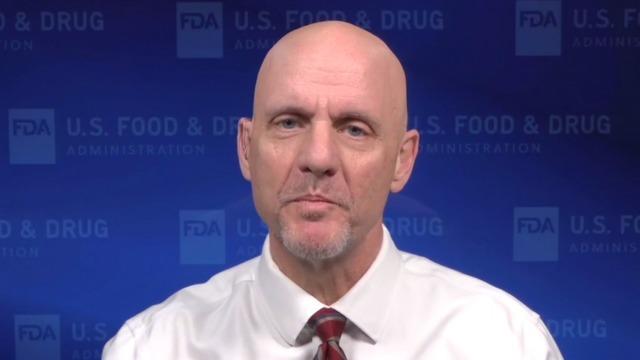
The United States is currently doing below 200,000 new coronavirus tests per day, according to COVID Tracking Project.

Santa Clara County, California officials say someone succumbed there on February 6; it was thought a Washington state death in late February was first in U.S.

There are growing concerns about the U.S. sending infected deportees to the Central American country, which only has 214 confirmed cases.
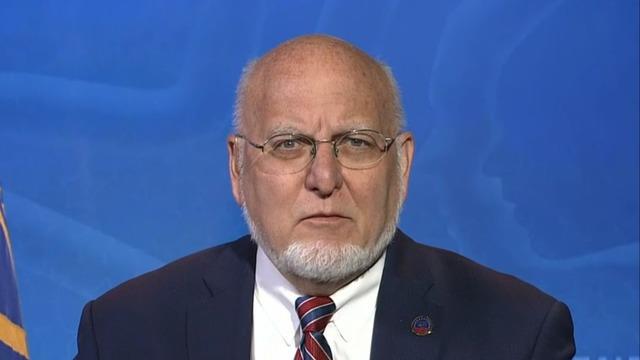
President Donald Trump accused WHO of making mistakes that worsened the global spread of coronavirus, as he announced funding would be cut.
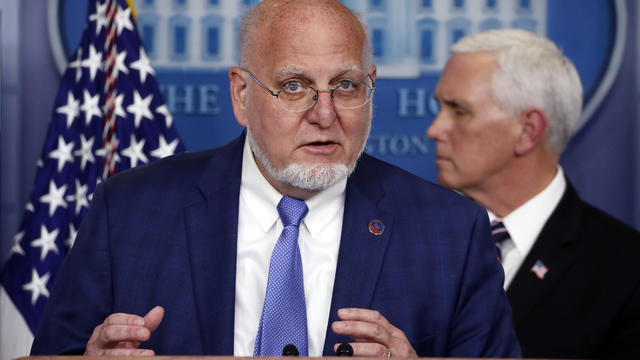
In a first, small step toward reopening the country, the agency revised guidelines on when essential workers who've been exposed to COVID-19 can get back to work.
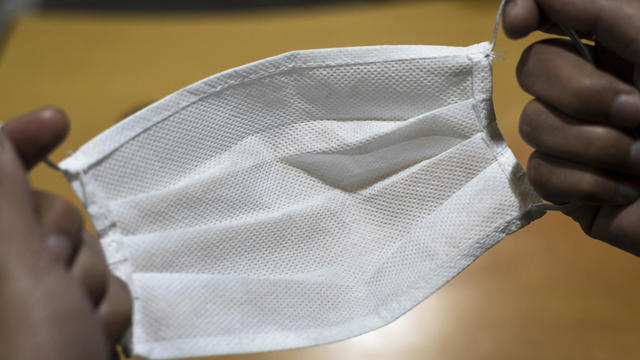
Top officials are considering new guidance for public use of face masks.
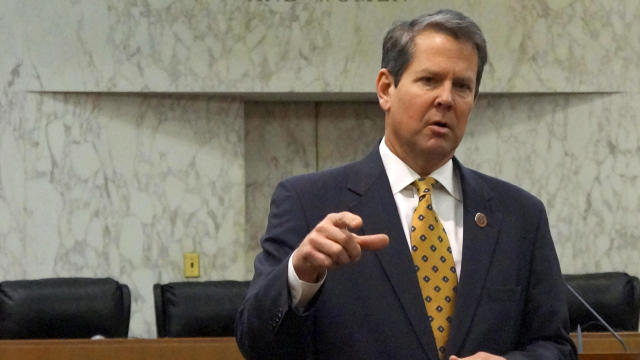
The CDC is headquartered in Georgia and has warned repeatedly about the risk of asymptomatic spread.

Eric Garcetti's recommendation for a way to help curb COVID-19's spread goes further than suggestions from many public health experts.
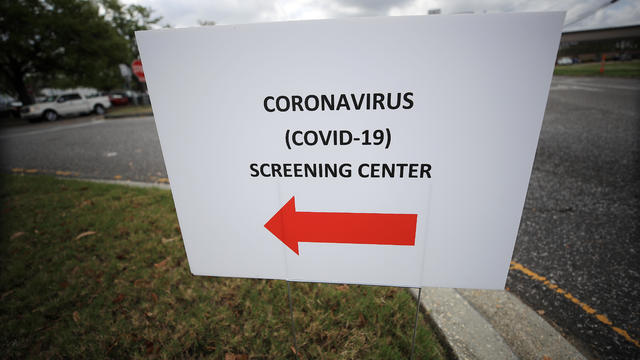
Louisiana, Florida and Georgia are facing alarming spikes, with more than 4,700 cases and 125 deaths in those states alone.

"Don't underestimate the emotional trauma that people are feeling and the emotional health issues," the New York governor said.
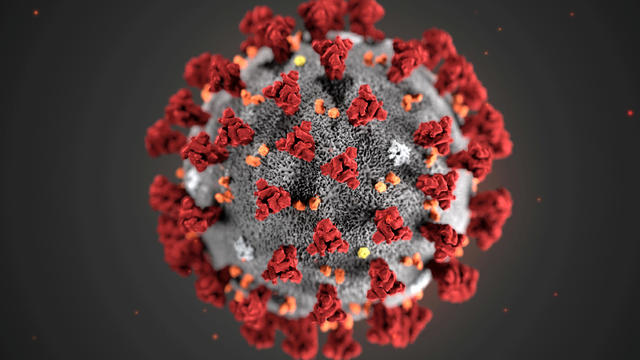
The site offers safety and prevention tips, search trends, and other resources for individuals, educators and businesses.

The Trump administration is citing a public health law that allows officials to deny entry to foreigners who could carry a disease.

Best practices and how to stay safe from the coronavirus pandemic.

They decided to perform a rendition of "Happy Birthday" — all from the 95-year-old's sidewalk.

"I'm in shock, this report is despicable," Carmen Gray, whose mother is one of the residents who tested positive, told CBS News' Jonathan Vigliotti.
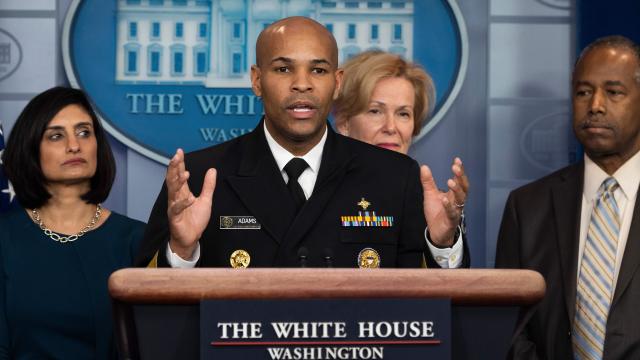
Surgeon General Jerome Adams emphasized that the next 15 days will be critical for fighting the outbreak in the U.S.

They've essentially been in quarantine, but they just found out that a lot of the world's population is too.
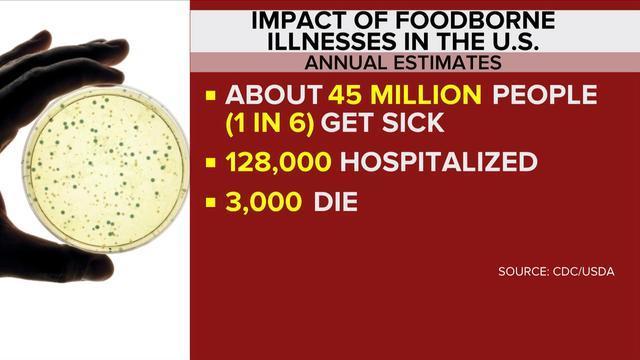
It’s become routine: a warning from the federal government about a food product that's suddenly considered a potential danger. On Wednesday, the CDC warned of salmonella contamination linked to certain ground beef, last month it was E. coli in romaine lettuce traced to Northern California. In fact, 2018 has already recorded the highest number of multistate foodborne illnesses outbreaks in recent years. Atlantic senior writer Derek Thompson joins “CBS This Morning: Saturday” to discuss what’s behind the rise in foodborne illnesses.

Trump concedes nation "may be" headed into recession as businesses are forced to lay off millions of workers.
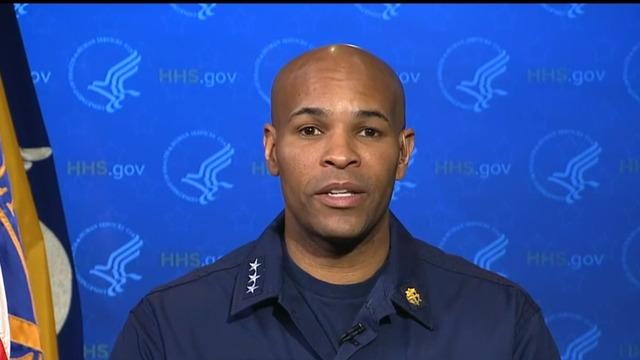
To ensure the country's hospitals can treat the people who get sick, mitigation measures are needed, U.S. Surgeon General Dr. Jerome Adams said.