School vaccination rates decline again as exemptions reach new high
U.S. kindergarten vaccination rates have declined again, with exemptions reaching a record high for the 2025-2026 school year
Watch CBS News
U.S. kindergarten vaccination rates have declined again, with exemptions reaching a record high for the 2025-2026 school year

The AAP is recommending immunization against 18 diseases. Earlier this month, the CDC reduced its recommendations for childhood vaccines to 11 diseases.

The American Academy of Pediatrics, one of the nation's leading medical organizations, released its own vaccine schedule for children and teens which differs from the CDC's vaccine guidelines. The organization said it will continue to recommend routine immunizations against 18 diseases for all children. Dr. Celine Gounder explains what to know.

The American Academy of Pediatrics is strongly recommending COVID vaccinations for children ages 6 months to 2 years old. The guidance is different from the CDC advice under HHS Secretary Robert F. Kennedy Jr., which does not recommend COVID-19 shots for healthy kids of any age. CBS News medical contributor Dr. Celine Gounder explains what to know.

The American Academy of Pediatrics and CDC have shared different recommendations for children getting COVID-19 vaccines. Here's what to know.

In the past, parents could rely on a single, authoritative vaccine schedule from the CDC. But this year, the American Academy of Pediatrics has released its own vaccine schedule. Dr. Celine Gounder explains the discrepancy.
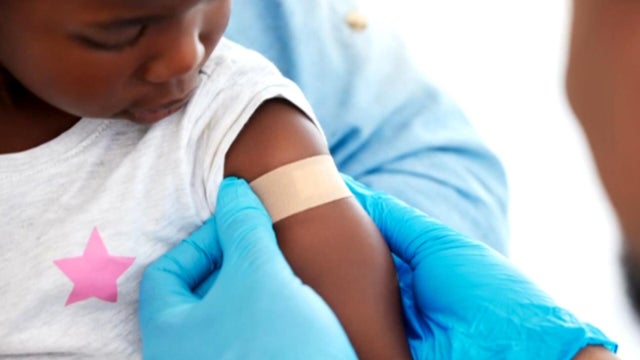
For the first time in 30 years, a leading pediatric group is sharing vaccine recommendations that differ from the guidance of the federal government. The American Academy of Pediatrics is strongly recommending COVID-19 shots for children between the ages of 6 months and 2 years old. CBS News medical contributor Dr. Céline Gounder has more.

More than 60 million children and adolescents participate in organized sports, but about 70% get out of the game by age 13 because of injury and burnout. A new report from the American Academy of Pediatrics looks at what doctors say is a growing epidemic of sports-related injuries as children play and train more without resting. CBS News' Naomi Ruchim has more.

Nationally, the number of flu cases has decreased. But in some Southern states, flu activity is still high, including in Dallas County, Texas, where almost 20% of tests are positive. Omar Villafranca reports.

Flu cases are surging nationwide and 27 children are among those who have died this flu season. One hospital shares ways to be on the lookout for respiratory issues. Janet Shamlian reports.

Flovent, a popular asthma inhaler, will no longer be available in pharmacies as of January 1, but will replaced by a generic product.

The demand for the Beyfortus RSV antibody shot has been so high that the CDC recommends doctors only give it to their most vulnerable patients. Mark Strassmann has more.

The coronavirus pandemic exacerbated the stresses of being a teenager, leading to what the American Academy of Pediatrics called a "national state of emergency." Three years later, the impact on teens is still with us, but so are programs aiming to help them. Nancy Chen has more.

Utah Gov. Spencer Cox tells "Face the Nation" that he believes organizations such as the American Medical Association, the American Psychiatric Association, the American Academy of Pediatrics are "politicized" on the issue of gender-affirming care.

Draft guidelines released by the agency on Tuesday outline a new maximum amount of lead that should be found in baby food.

Children struggling with obesity should be evaluated and treated early and aggressively, according to new guidelines from the American Academy of Pediatrics. CBS News chief medical correspondent Dr. Jon LaPook shares more.

The longstanding practice of "watchful waiting," or delaying treatment to see whether children and teens outgrow or overcome obesity, "doesn't work," a leading researcher says.