Sunday 9AM ET on CBS
11AM ET on the CBS News app
Sunday 9AM ET on CBS
11AM ET on the CBS News app
Watch CBS News

The CBS procedural, now in its 23rd season, is marking its 500th episode tracking agents of the Naval Criminal Investigative Service. But the story of how the series became the world's most-watched TV show is filled with as many twists and turns as an NCIS case itself.
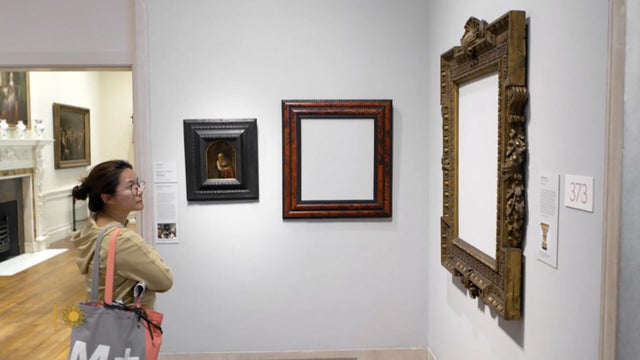
A current show at the Philadelphia Museum of Art puts the spotlight on a rarely-appreciated component of art: the picture frames that border it. Faith Salie explores the history of framing art, and talks with curator Tara Contractor and frame conservator Chris Ferguson about a craft bordering on exquisite.
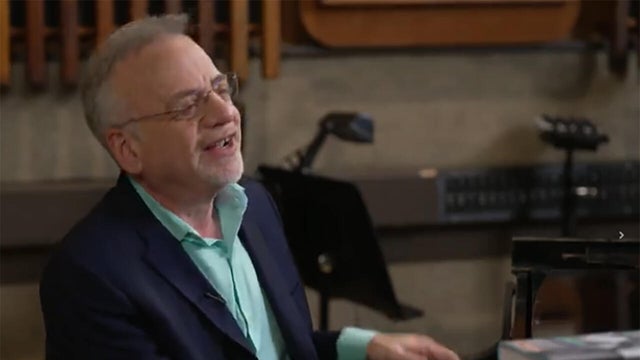
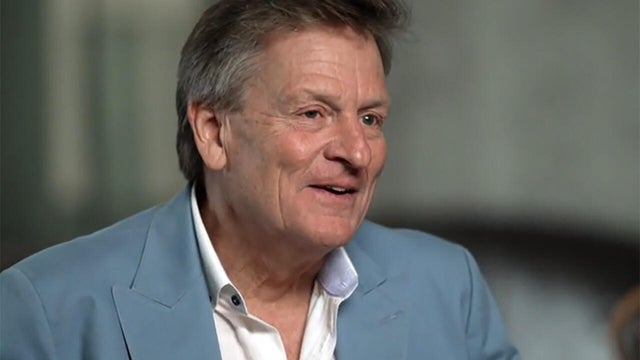
A Tony Award-winner for "Hairspray," and a seven-time Oscar nominee, Marc Shaiman has written about his nearly 50 years in show business in a new memoir, "Never Mind the Happy: Showbiz Stories From a Sore Winner."
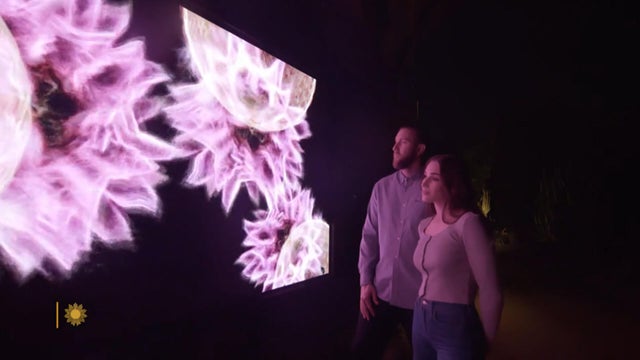
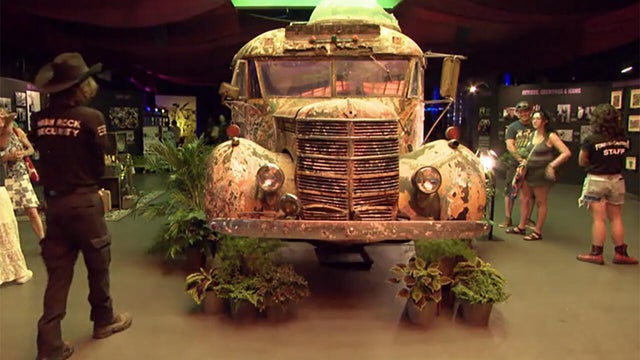
"Desert Pulse," an art installation at the Desert Botanical Garden in Phoenix, is a multi-sensory immersion featuring time-lapse imagery of Arizona's Sonoran Desert – a landscape pulsing with life. Lee Cowan talks with U.K. architects Matt Shaw and Will Trossell, who brought a 3-D LIDAR scanner (a tool used in surveying) to the desert to capture tens of millions of data points, which ScanLAB Projects converted into vibrant digital evocations of an ecosystem breathing, growing, and retreating.
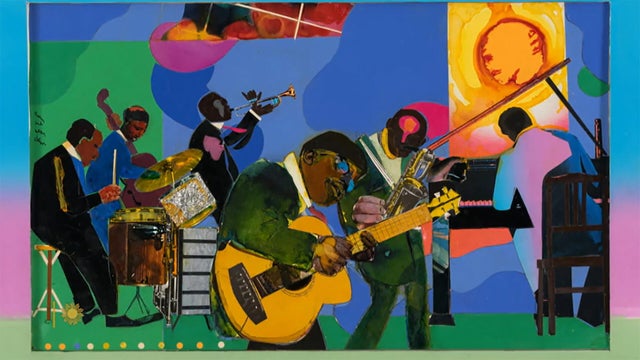
In 1968, a group of artists, activists, and community members founded the Studio Museum in Harlem. It was a space not just for displaying works celebrating the contributions of African-American artists, but also to foster up-and-coming artists through a residency program. Now, following a seven-year, $160 million renovation, the Studio Museum has reopened. Nancy Giles pays a visit.

The singer-songwriter who's remained on Billboard's Hot 100 Chart for seven straight decades has just released his latest album, "Inspirations of Life and Love." A youthful 84, he talks about his artistic longevity.
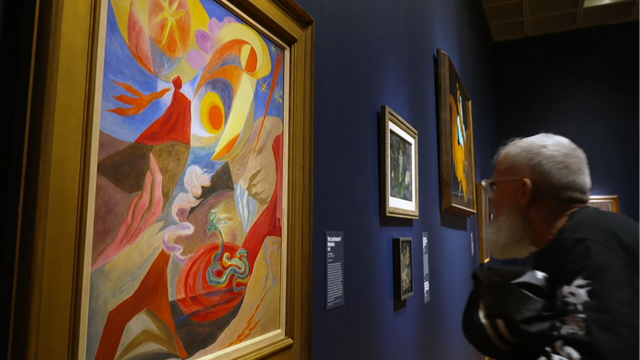
An exhibit at the Philadelphia Art Museum marks 100 years of surrealism, showcasing captivating paintings, sculptures and films that trace the movement's origins and its power to transport us beyond reality. Matthew Affron, the museum's curator, says the exhibit aims to push visitors outside of their comfort zones and spark curiosity. Robert Costa reports.
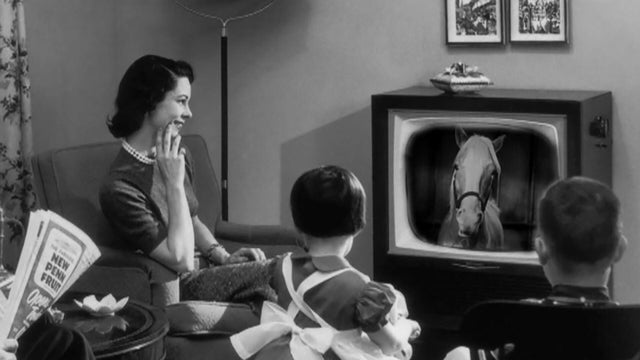
The introductions of TV shows feature some of the most memorable tunes ever written, in order to catch your attention and introduce a show's story and characters. David Pogue talks with composers Charles Fox ("Wonder Woman," "Laverne & Shirley") and Theodore Shapiro ("Severance"), and film music scholar Jon Burlingame, about what makes a successful TV theme song – and how the dreaded "Skip Intro" button should be abolished.

While Thomas Edison's cylinders were the first to play recorded sound, they were impractical – leading Emile Berliner to come up with a better way to play music: The gramophone, invented in 1887, which played flat discs. Jane Pauley reports.
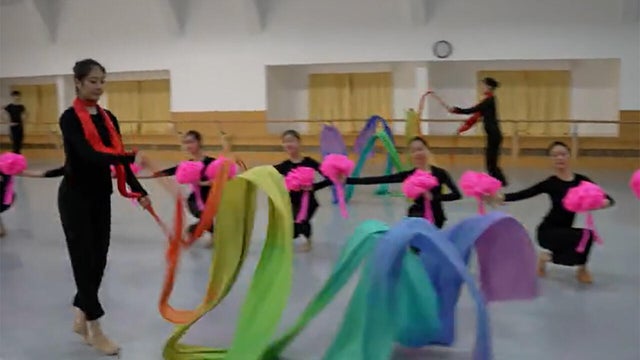
The Falun Gong dance troupe produces what it describes as a vision of "China before communism." The touring company says it's been targeted by Beijing. Now former performers are suing, alleging forced labor and untreated injuries, allegations Shen Yun disputes.

For two decades, Shen Yun has presented Chinese history and culture through sweeping dance and soaring music, offering what it describes as a vision of "China before communism." Run by the spiritual movement Falun Gong, the production now faces lawsuits alleging forced labor and untreated injuries. Correspondent Lisa Ling speaks with former performers who say they lived in fear as child laborers; and with Shen Yun leaders who dispute those claims and, for the first time, granted access inside their guarded headquarters, Dragon Springs.
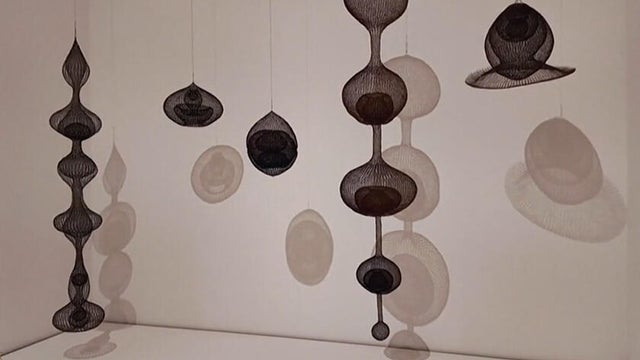
In her choice of media, sculptor Ruth Asawa (1926-2013) employed a resourcefulness that stemmed from her early years on a farm – and in a WWII detention camp for Japanese Americans. She's now the subject of a retrospective at New York's Museum of Modern Art.
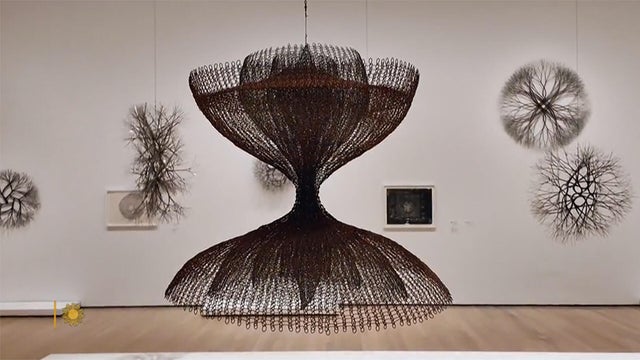
Artist Ruth Asawa (1926-2013) made a name for herself as a sculptor in the San Francisco Bay Area, creating works using a wide range of media, employing a resourcefulness that stemmed from her early years on a farm in Southern California – and in a detention camp for Japanese Americans during World War II. She's now the subject of a retrospective on view at New York's Museum of Modern Art. Faith Salie reports.
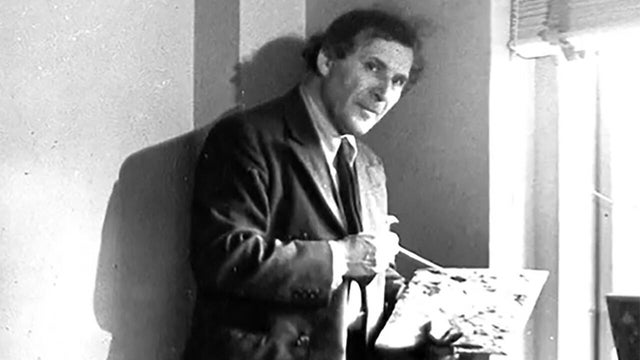
Those who risked their own lives to save Jews during the Holocaust have been called the Righteous Among the Nations. One such rescuer, an American, was Varian Fry, who helped organize artist Marc Chagall's escape from France, for both him and his paintings.
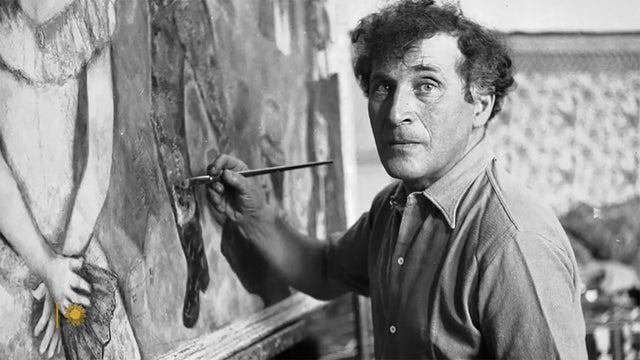
Yad Vashem, Israel's official memorial to the victims of the Holocaust, has a name for those who risked their own lives to save others: The Righteous Among the Nations. One American who received that distinction was Varian Fry, who helped organize artist Marc Chagall's escape from France, for both him and his paintings. Lee Cowan talks with the descendants of Chagall and Fry; Debórah Dwork, author of "Saints and Liars: The Story of Americans Who Saved Refugees from the Nazis"; and Nick Davis, whose film "This Ordinary Thing" bring to life 45 extraordinary stories of those who rescued Jews during the Holocaust, people who "felt like it was their duty."