Sunday 9AM ET on CBS
11AM ET on the CBS News app
Sunday 9AM ET on CBS
11AM ET on the CBS News app
Watch CBS News
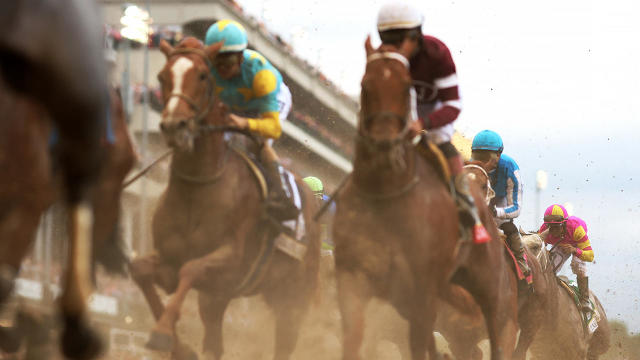
An official at the home of the Kentucky Derby calls an independent investigation into horse racing fatalities "a wake-up call for the industry," and talks of initiatives to better protect equines and humans at the track.
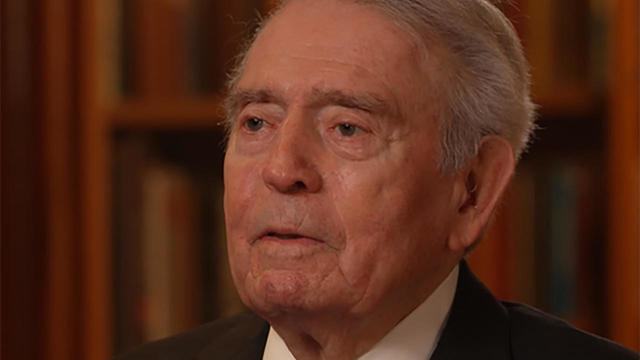
It's been almost 20 years since Dan Rather signed off at the network where he spent 44 years covering wars, politics, and the assassination of JFK. But he has not retired from the life of a reporter.
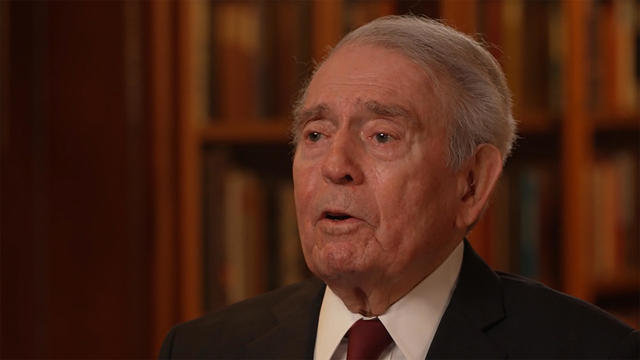
It's been almost 20 years since Dan Rather signed off as anchor and managing editor of the "CBS Evening News," at the network where he spent 44 years covering wars, politics, and the assassination of JFK – and where he mentored a young correspondent named Lee Cowan. Rather, now 92, talks with Cowan about his illustrious career; about the story that gave him (and CBS) a black eye; and his post-CBS years, writing books and finding a new, younger audience on social media.
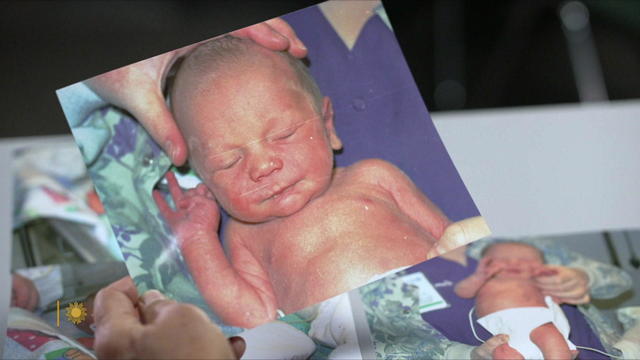
Twenty-four years ago, Gene Eyster, then with the South Bend, Ind., police department, received a call about a newborn baby found abandoned in a cardboard box. For more than two decades, Eyster wondered what became of that boy. A few weeks ago, he found out, perhaps when he needed to most. Steve Hartman reports.
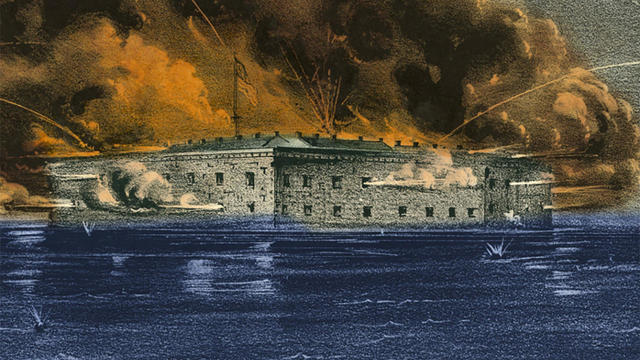
Author Erik Larson visits Fort Sumter in Charleston, S.C., where he discusses "the single most consequential day in American history."
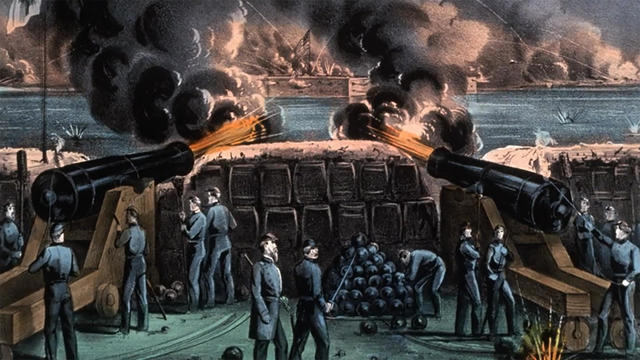
Beginning on April 12, 1861, over the course of two days, more than 3,300 shells and cannon balls rained across Charleston Harbor towards Fort Sumter, the first shots fired in the Civil War. Correspondent Anthony Mason visits the fort with bestselling author Erik Larson, whose latest book, "The Demon of Unrest," explores the events leading up to the bombardment and what Larson calls "the single most consequential day in American history."
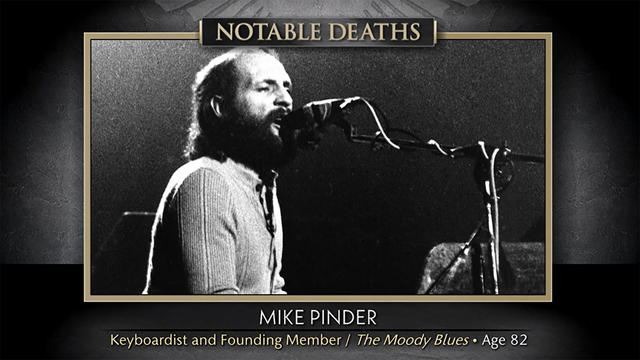
"Sunday Morning" remembers some of the notable figures who recently left us, including keyboardist Mike Pinder, of The Moody Blues.
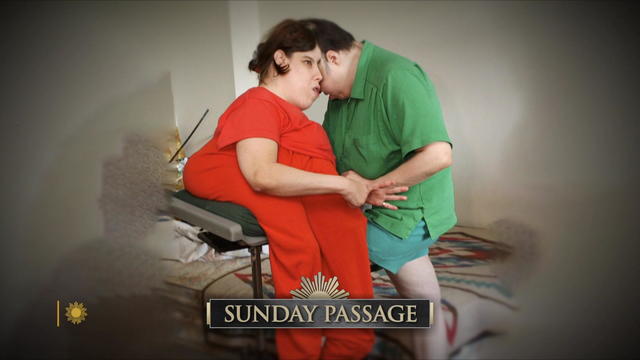
Jane Pauley looks back at the lives of Lori and George Schappell – conjoined twins whose skulls were partly fused – who died in Philadelphia earlier this month at the age of 62.

She made a name for herself as an Oscar-nominated actress in "Almost Famous." But music has always been in her blood, and now Kate Hudson is making a name for herself as a singer-songwriter, with her debut album, "Glorious."

Kate Hudson made a name for herself as an Oscar-nominated actress in "Almost Famous." But music has always been in her blood, and now Hudson is making a name for herself as a singer-songwriter. She talks with correspondent Tracy Smith about her debut album, "Glorious," filled with her songs about life and love, and reveals the one song that truly rips her heart out.
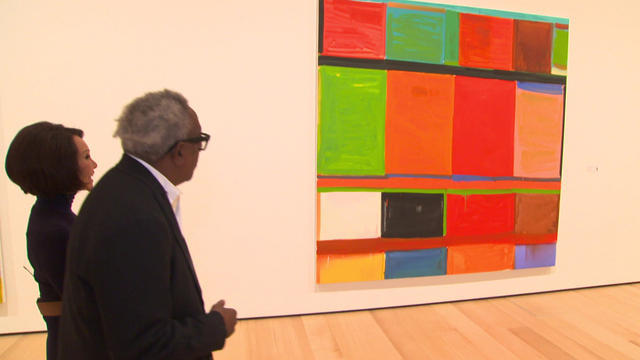
He's been painting for more than 50 years, but artist Stanley Whitney – whose bold, colorful canvases offer vibrant hues and deliberately ferocious brushstrokes – is just now getting his first major retrospective (including many works never before exhibited publicly), at the Buffalo AKG Art Museum in Buffalo, N.Y. Correspondent Alina Cho talks with Whitney about the breakthrough that came during his artistic journey.

It's been an upsetting time on American college campuses, where protests over the war in Gaza, fueled by social media, have divided students, faculty and administrators. Why are protests erupting now? And are they effective? Correspondent David Pogue talks with Michael Kazin, a veteran of 1960s anti-war protests; Dan Mogulof, public affairs officer at UC Berkeley; and Georgetown University protest organizer Selina al-Shihabi, about the tensions between free speech and public safety.

"Sunday Morning" looks back at historical events on this date.

Social pressures to be productive – not to mention a culture that prizes multi-tasking – make doing nothing hard to do, for fear of being accused of the dreaded sin of laziness. However, experts say there are rewards for not pushing yourself to the edge all the time.

Social pressures to be productive – not to mention a culture that prizes multitasking – make doing nothing hard to do, for fear of being accused of the dreaded sin of laziness. However, experts say there are rewards for not pushing yourself to the edge all the time. Correspondent Susan Spencer looks at how some of the most productive and innovative people in history allowed themselves to take time out, just to be.