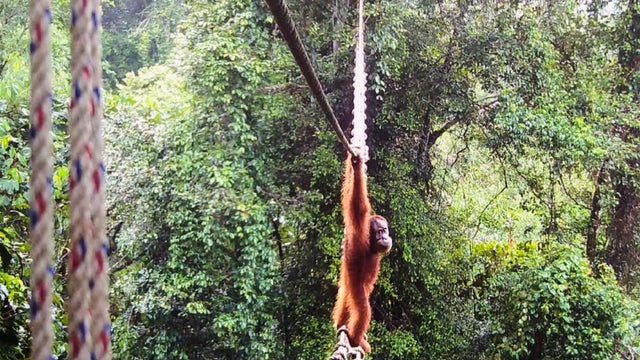
In a first, endangered orangutan seen using canopy bridge to cross road
Rapid development has been shrinking the jungle habitat of the critically endangered species, and fatal conflicts with people have been increasing.
Watch CBS News
Rapid development has been shrinking the jungle habitat of the critically endangered species, and fatal conflicts with people have been increasing.
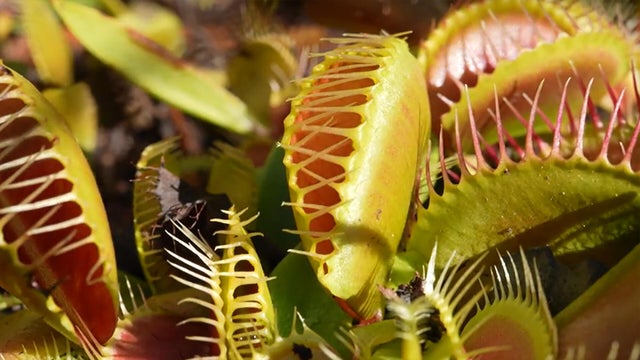
The carnivorous Venus fly trap is native to the Carolinas, but its population is dwindling due to loss of habitat. Correspondent Seth Doane talks with botanist Julie Moore, who has spent much of her life helping to save these remarkable plants; and with Damon Waitt, director of the North Carolina Botanical Garden, who discusses the unusual traits of a species that Charles Darwin called the most interesting plant in the world.
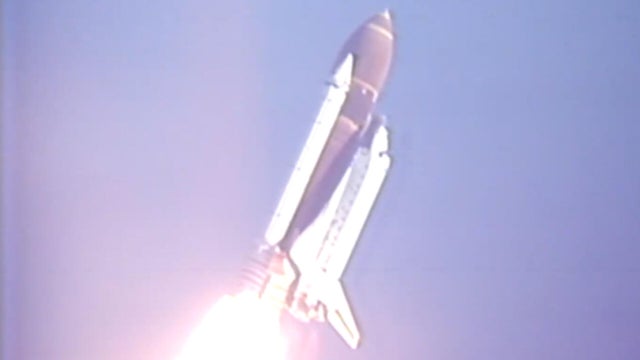
On April 24, 1990, NASA launched the Hubble Space Telescope from the Space Shuttle Discovery after seven years of delays. Watch CBS News' coverage from that day.

New analyses of fossilized jaws reveal that massive, kraken-like octopuses once hunted alongside other marine predators.
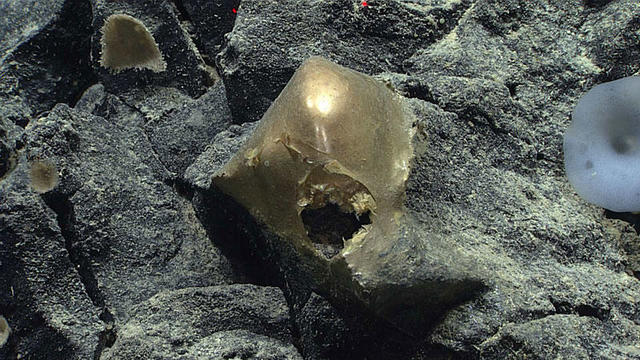
Scientists spent over two years identifying a mysterious object found off the coast of Alaska in 2023.
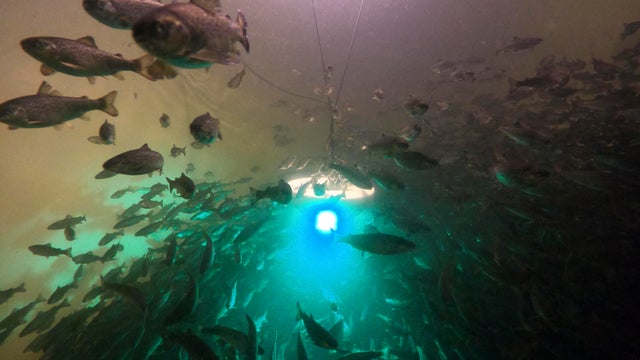
Researchers studied how the drug affected the movements of wild fish in their natural habitats.
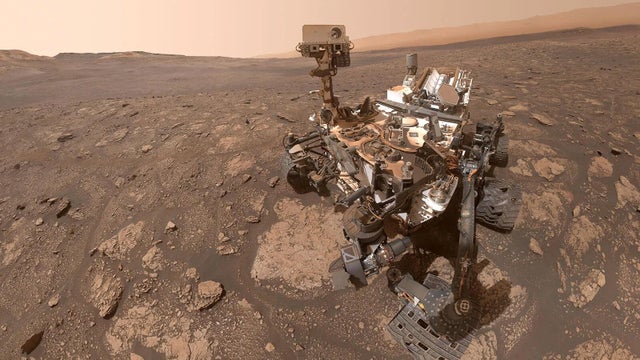
"This experiment's never been run before on another world," said Amy Williams, an astrobiologist working on the Curiosity mission.
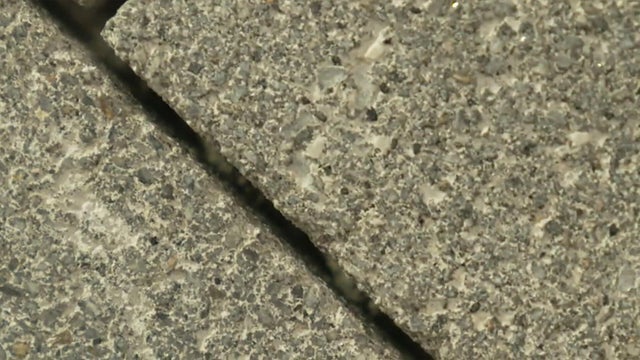
The process of making 30 billion tons of concrete every year produces more carbon pollution than all the world's ships and planes put together. Now, the North Carolina and Denmark-based Biomason is using biotechnology, including naturally-occurring microbes, to create "biocement" that's just as sturdy but emits much less CO2. David Pogue reports.
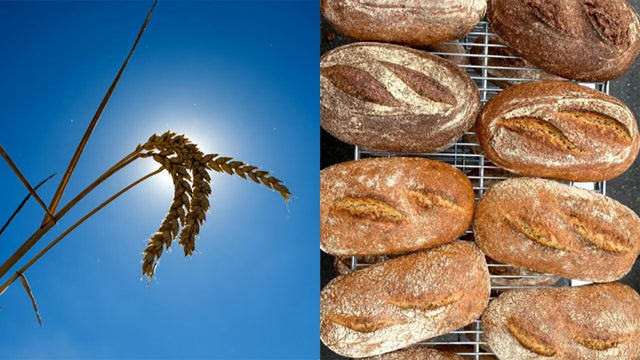
Over the past century, the cultivation and processing of wheat has led to strains of grain that are less nutritious, less flavorful, and more vulnerable to climate change. The researchers at Breadlab, at Washington State University, are trying to breed varieties of whole grains that are better for farmers, consumers – and taste buds. David Pogue reports.
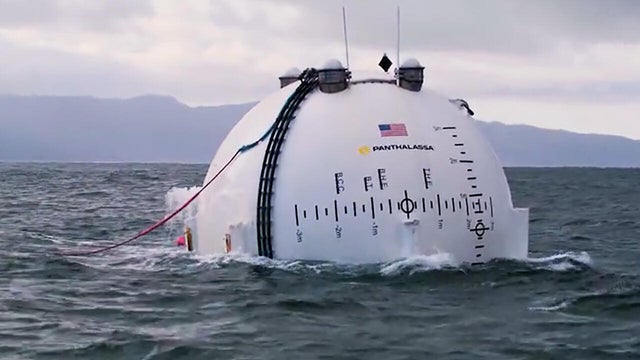
The renewable energy company Panthalassa says it has a solution to the proliferation of AI data centers, which consume massive amounts of energy and are the cause of increased carbon pollution: sea-based data centers, powered by wave energy.