Study predicts California could lose more than half its beaches by 2100
A new study to be published forecasts close to three-quarters of California's beaches could disappear by 2100.
Watch CBS News
A new study to be published forecasts close to three-quarters of California's beaches could disappear by 2100.

A new study to be published forecasts close to three-quarters of California's beaches could disappear by 2100. Kenny Choi reports. (6-16-23)

The U.S. Environmental Protection Agency announced Thursday a settlement that will issue $230,000 in fines for two companies for alleged failures to meet hazardous waste regulations for work in the East Bay.

What if Northern California could produce what were once considered tropical fruits and vegetables? Climate change may make that possible. Kelsi Thorud reports. (6-8-23)

Contra Costa Health said Thursday that Martinez Refinery Company's release of spent catalyst didn't increase public health risks from exposure of hazardous materials in nearby soil. Anne Makovec reports. (6-8-23)

Contra Costa Health (CCH) said Thursday a toxicologist determined that Martinez Refinery Company's (MRC) release of spent catalyst in November didn't increase public health risks from exposure of hazardous materials in nearby soil.

The founder and CEO of a company building fully electric, zero-emission hydrofoil boats believes they are the future of transportation. Kelsi Thorud reports. (6-1-23)

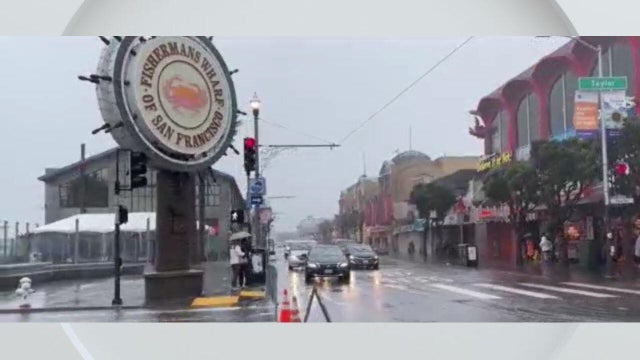
As the Earth's ice melts, and sea levels rise, cities along the coast are considering ways to hold back the rising waters. A new government study predicts that many of California's most iconic beaches are in danger of disappearing. John Ramos explains how some of the spots most at risk are already seeing the effects.

Leaders from nearly 200 nations are on a mission to bring an end to global plastic pollution. Ian Lee reports on the talks underway in Paris to produce a landmark treaty to tackle the issue.

California has just reached a historic deal with Arizona and Nevada to significantly cut back the amount of water each state takes from the Colorado River. Darren Peck breaks down the numbers.

California lawmakers blocked two environmental bills Thursday including one that would have made oil companies liable for the health problems of people who live close to wells.
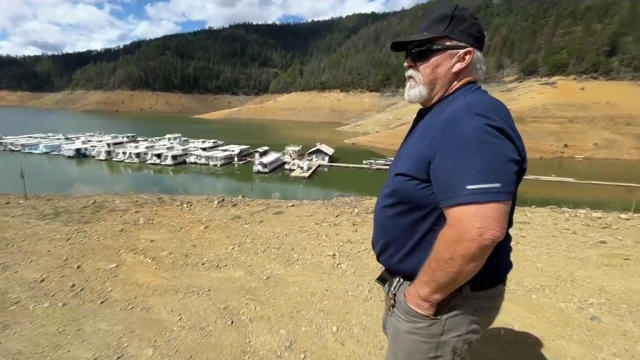
There's one Northern California reservoir that hasn't rebounded despite this winter's rain and snow.

There's one Northern California reservoir that hasn't rebounded despite this winter's rain and snow. Wilson Walker reports. (5-11-23)

In Santa Cruz, a company called Cruz Foam is looking to revolutionize the packaging industry. Kelsi Thorud reports. (5-4-23)

Finding ways to recycle windmill blades and used solar panels is taking on greater importance as the use of renewable energy sources rises. Ben Tracy has more.

Kelsi Thorud reports on how Central Valley rice farmers are teaming up with researchers to save the declining salmon population in California.

On Saturday across the Bay Area, people commemorated Earth Day with tree-plantings and a focus on realistic solutions to the climate crisis.

On Saturday across the Bay Area, people commemorated Earth Day with tree-plantings and a focus on realistic solutions to the climate crisis. John Ramos reports. (4-22-23)

A man in Bali built a recycled tiny house from 35,000 plastic bags and other waste. CBS News' Tina Kraus shows us how he did it, and the lasting impact he hopes it will make.

A new process that turns cow waste into usable gas can be used to reduce methane and power vehicles.
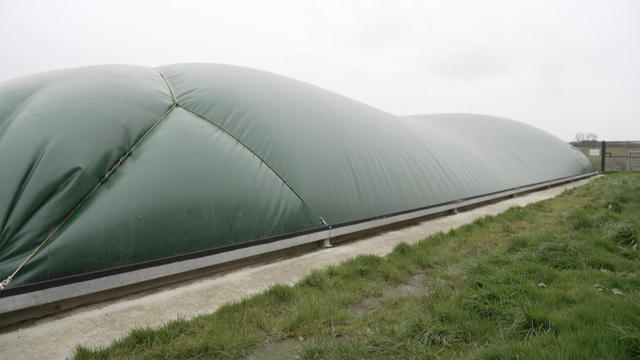
A new process turns cow waste into gas that can be used to power tractors, vehicles and more, and reduce the amount of harmful methane released into the atmosphere. CBS News correspondent Ian Lee reports on how the process works and what its future could be.

Newly approved regulations mean new solar energy installations in California will take longer to pencil out for homeowners. Devin Fehely reports. (4-16-23)

A federal regulatory group voted Thursday to close chinook salmon fishing season along much of the West Coast after near-record low numbers of the fish returned to California's rivers last year.

Bay Area air quality regulators have released a new report mapping the areas affected by an allegedly toxic chemical release from a Martinez refinery. Amanda Starrantino reports. (4-6-23)

In what could prove a significant move for communities facing air pollution, the Environmental Protection Agency proposed on Thursday that chemical plants nationwide measure certain hazardous compounds that cross beyond their property lines and reduce them when they are too high.