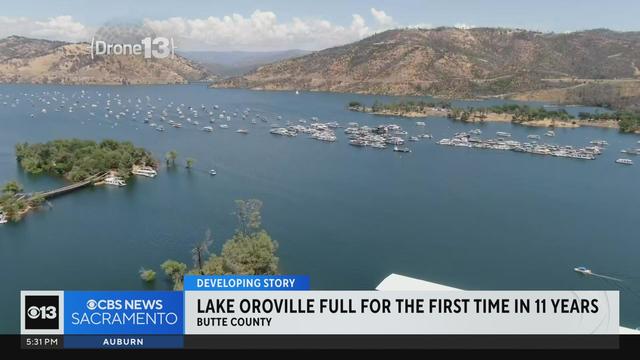
Lake Oroville hits 100% capacity, houseboats back on water in time for summer
The record-breaking winter storms have created a dramatic turnaround for Lake Oroville. The DWR said it has only been full twice over the past 15 years.
Watch CBS News
The record-breaking winter storms have created a dramatic turnaround for Lake Oroville. The DWR said it has only been full twice over the past 15 years.
Hotter, drier weather is already wreaking havoc on European crops, and is predicted to boost food prices in the U.S.
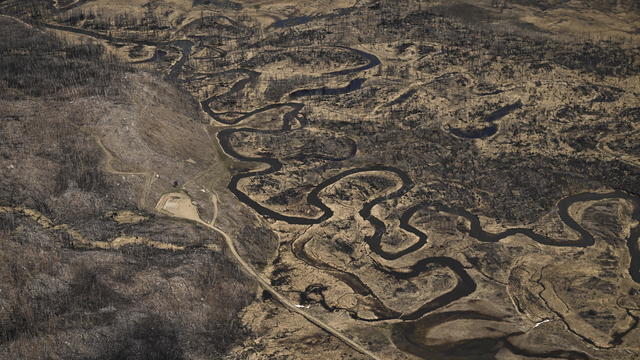
The Colorado River proposal from Arizona, California and Nevada aims to conserve at least 3 million acre-feet of water through the end of 2026.
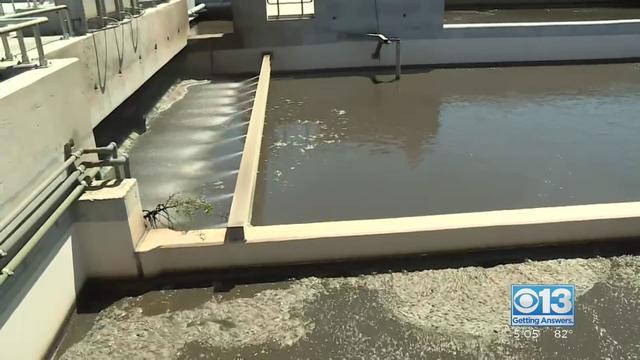
In the near future, more local farmers will be using this recycled water for their crops.
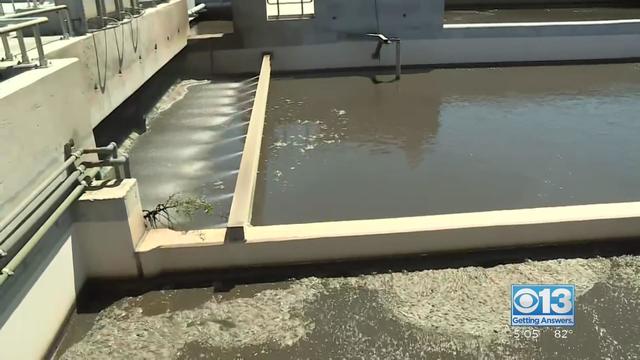
More than a decade later, costing over a billion dollars, Regional San unveiled upgrades at its wastewater treatment plant.
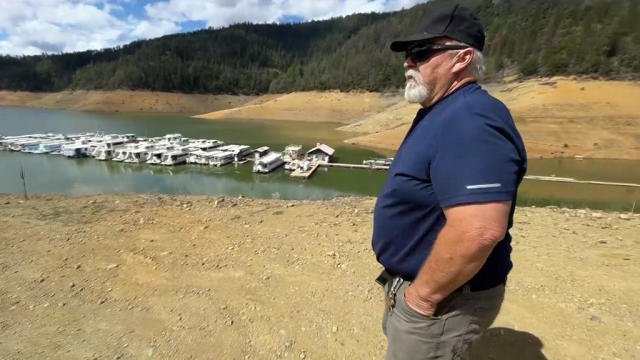
There's one Northern California reservoir that hasn't rebounded despite this winter's rain and snow.
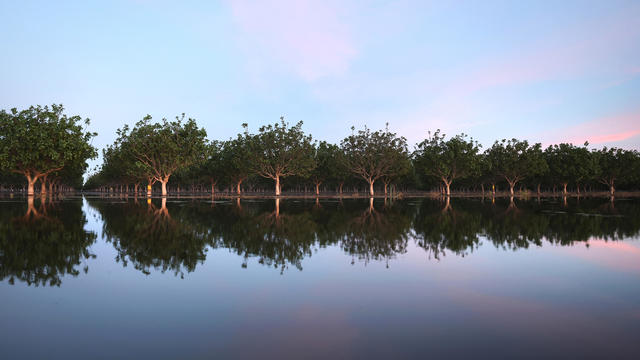
Pistachio farmer Nader Malakan estimates that about 1,200 acres of pistachio crops were destroyed, to the tune of $15 million.
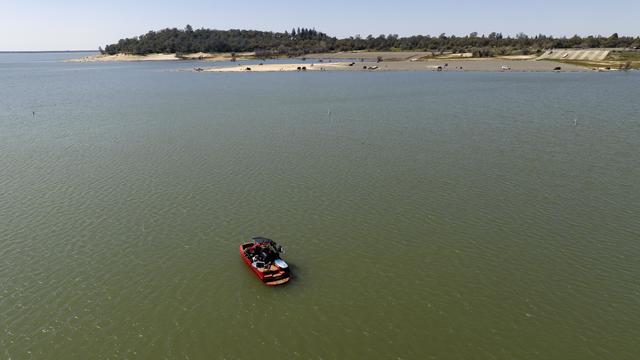
Scientists say nearly half of the American West has emerged from drought following a winter marked by heavy snow and several massive rainstorms.
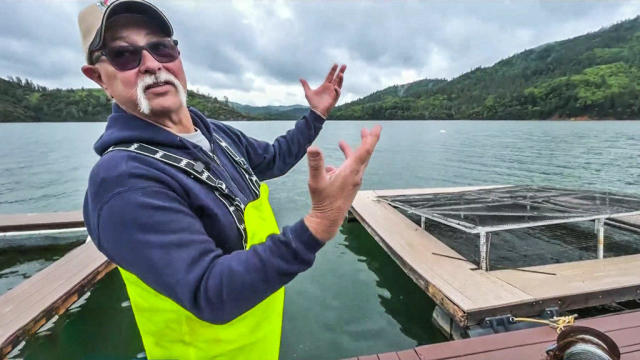
If you want to measure the success of this winter, California's largest reservoir is a good way to do it. As of Friday, Shasta is about three feet away from full, and that's a foot higher than where it was on Monday.

With California's historic snowpack beginning to melt, whitewater rafting companies are preparing for the best season they've seen in years.
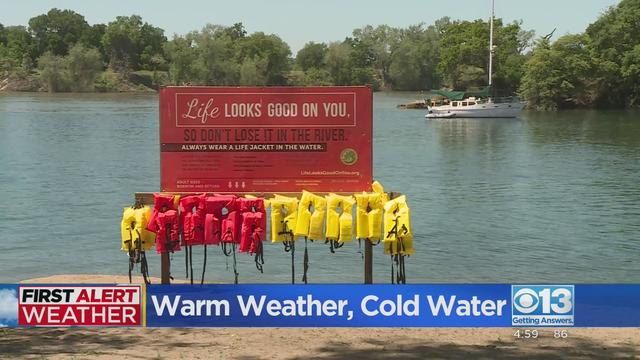
A river may not look fast on the surface, but not only are temperatures a factor -- officials are warning that what's underneath could spell trouble.
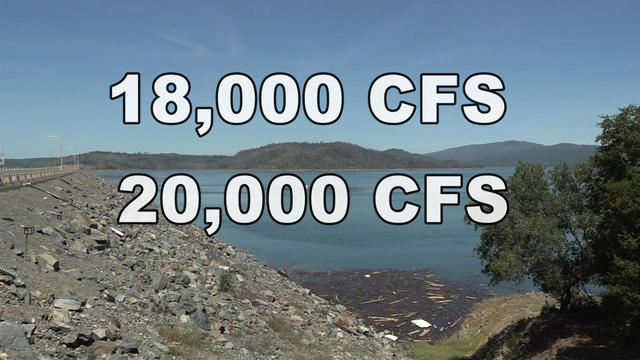
The DWR upped its water release amount this week. On Wednesday 18,000 cfs were released and 20,000 cfs on Thursday.
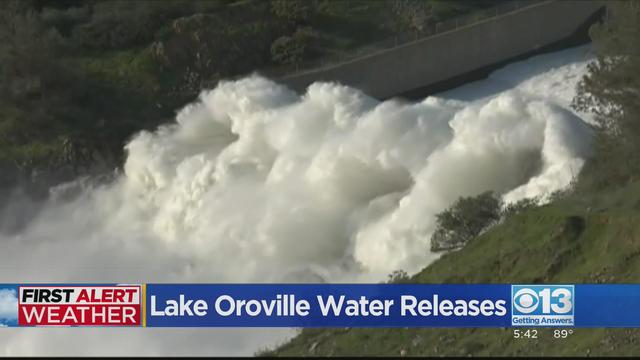
Now that the snow is melting, waterways will be rising a little more. But officials say there is no cause for concern.
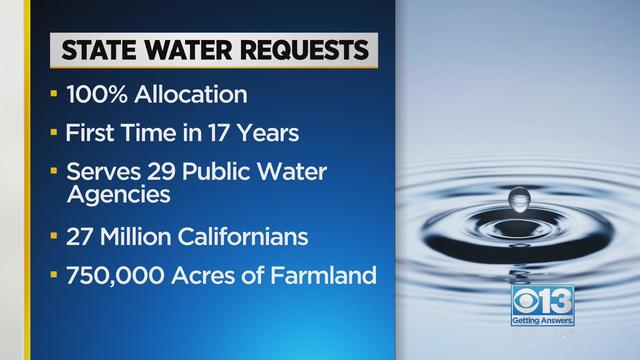
Regulators say California will provide 100% of the water requested by cities and farms for the first time in years thanks to winter storms that filled reservoirs and runoff from a record snowpack.
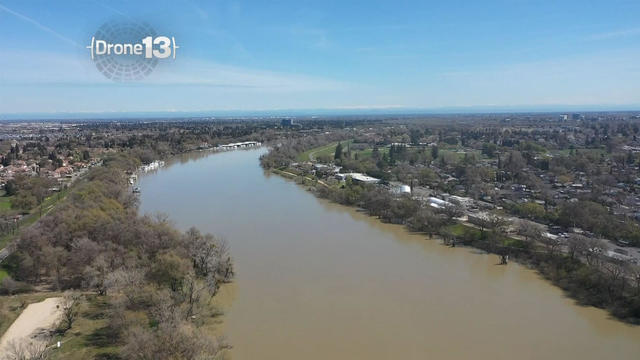
Unrelenting atmospheric rivers brought the state rain and snow not seen in years.
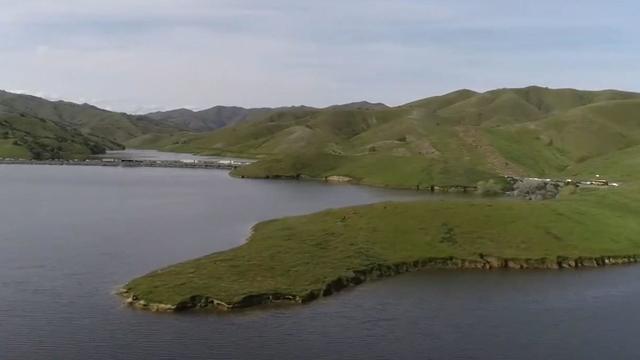
The onslaught of atmospheric rivers has once again filled the banks of the San Luis Reservoir east of Gilroy.
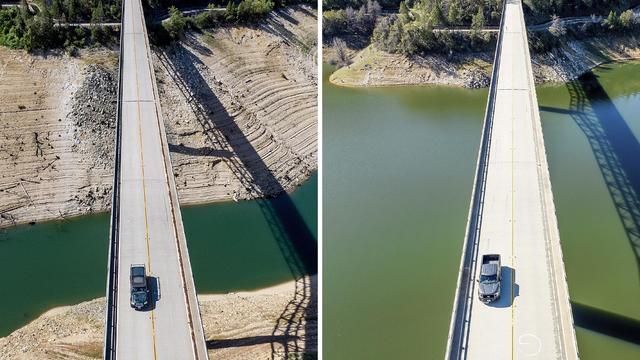
Water levels fell so low in key reservoirs during the depth of California's drought that boat docks sat on dry land and cars drove into the center of what should have been Folsom Lake. Now, 12 of California's 17 major reservoirs are filled above their historical averages for the start of spring.
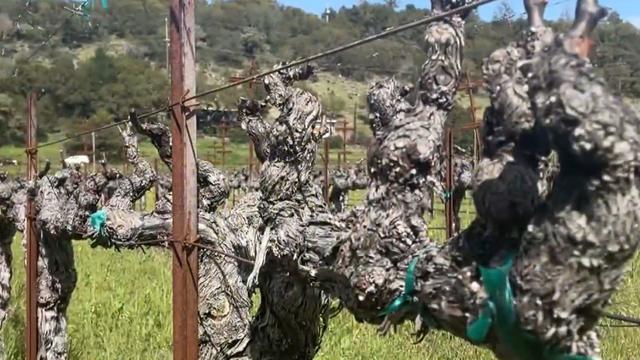
After struggling through years of drought stressed grapes, Napa Valley vintners are hoping this winter's rainfall will be the harbinger of an excellent vintage of wine.
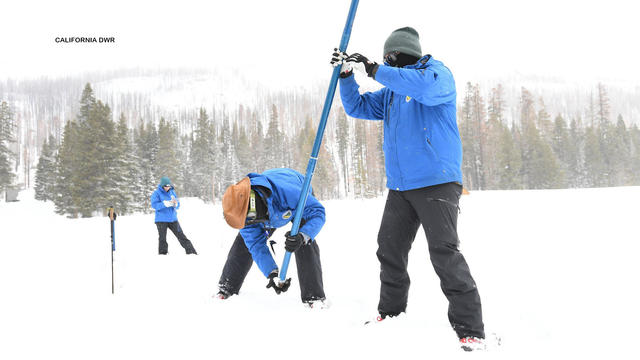
This year's epic snowpack in California's Sierra Nevada could top records, state officials said Monday, and significant flooding is expected when it melts and flows down from the mountains.
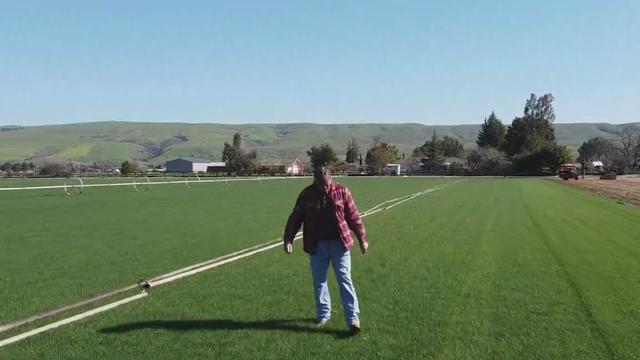
The recent storms have put a dent in the drought, but they've also flooded precious farmland, ruining mile after mile of crops across the state. But even at farms that didn't flood, they are still harvesting challenges.
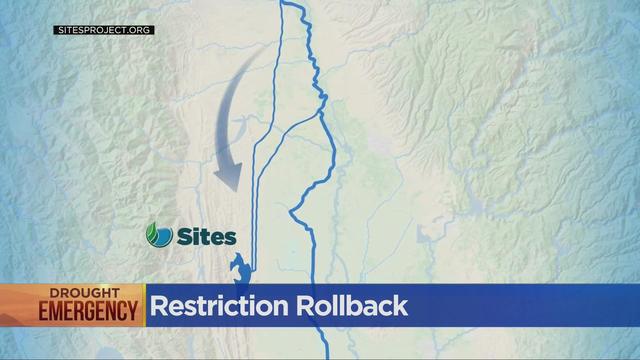
Drought restrictions have been relaxed and state water deliveries are anticipated to 75% allocation -- more than double what was originally planned.
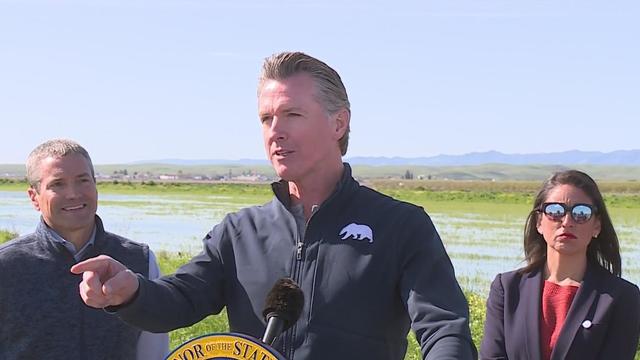
California Gov. Gavin Newsom ended some of the state's water restrictions on Friday because a winter of relentless rain and snow has replenished the state's reservoirs and eased fears of a shortage after three years of severe drought.
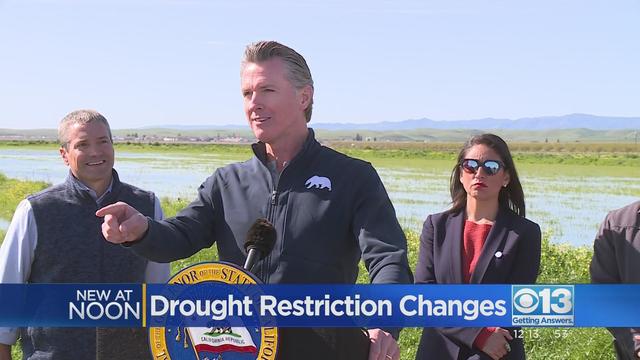
The Governor signed an executive order that will ease back severe drought restrictions, eliminating more than half of them. He removed a voluntary 15% reduction in water use issued nearly two years ago and removed an order requiring urban water supplies to activate level two of their water shortage contingency plans.
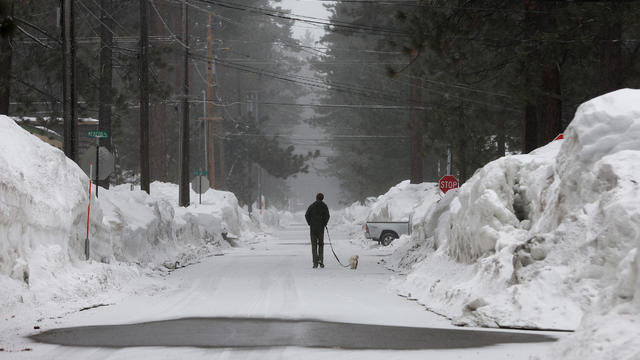
At this time last year, all of California was caught in a drought. But according to the latest US Drought Monitor released Thursday morning, just over a third of California remains in some level of drought -- the lowest amount since the drought began -- with severe drought only covering 8% of the state.
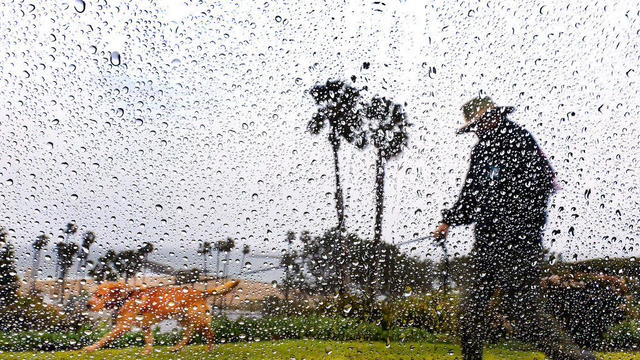
Significant rains and snowfall since the end of 2022 have freed over half of California from drought.