Trash pickup problems lead to finger-pointing in Pittsburgh
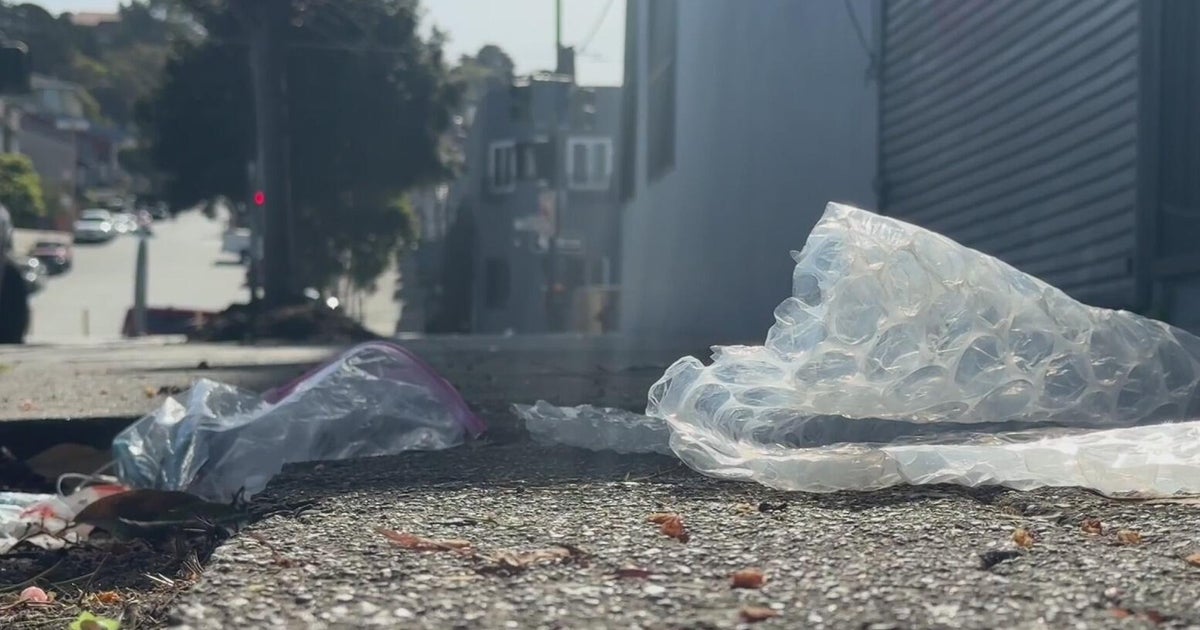
Pittsburgh residents have seen trash delays over the last couple of weeks.
As a result, it has turned to finger-pointing between Mayor Ed Gainey's office and City Controller Rachael Heisler's office.
At this point, it's well documented that the city's fleet is old. That includes the city garbage trucks. City data says about two-thirds of the trucks were at the city garage for repairs in July.
Pittsburgh Public Works Director Chris Hornstein said they've been down eight to 10 trucks a day over the past few weeks.
"With the extreme heat, with the lack of available trucks, it's impossible for us to get everybody's trash on a timely basis like we normally strive to achieve," Hornstein said.
Pittsburgh Public Works said it should have 48 trucks each day and needs overtime to fill the gaps. Now, the mayor's office is accusing the city controller of withholding payment to the city's repair vendor, slowing down the process. Heisler said nothing could be further from the truth. She said invoices have been vague and do not detail what the city paid for in the first six months of the year.
"And we thought that it was prudent to ask for documentation like you or I would ask if we went into the car dealership," Heisler said.
Each month, the invoice has asked for almost $707,000. Heisler's office wanted the documentation to ensure the amount was accurate.
"We are paying for actuals. I am not paying above and beyond what we need to pay. I don't believe the city should pay for services it didn't receive," Heisler said.
Hornstein argues that is not how the contract works, and her office is withholding money from the vendor doing the work. He feels they should have talked this out to avoid this mess.
"I easily think that we could have found a savings without having employee injury and burdening residents with missed pickups," Hornstein said.
According to Heisler, the contract said payments should reflect actual cost, not just a flat rate without documentation. Her office says over the first six months of the year, they've saved taxpayers more than $405,000.
"Until we invest in this problem, it's not going to get better," Heisler said.
Hornstein said that would, at best, buy one new truck, which usually costs about $500,000. He said six to seven trucks need to be replaced each year.
"Forgoing payment in the hopes of being able to purchase one more new truck is actually creating harm right now," Hornstein said.
Earlier this week, Pittsburgh City Council approved a move to get an annual fleet report.