Pittsburgh City Council member wants to tax the rich to help solve budget crunch
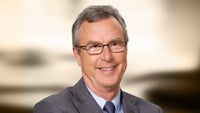
A Pittsburgh City Council member wants to tax the city's richest residents to help maintain services and fix the budget crunch.
Pittsburgh Councilwoman Barb Warwick is joining progressive politicians nationwide in wanting the wealthy to dig deeper to fund programs and balance budgets. Rather than make budget cuts, Warwick, a Democrat, wants to do more.
"The way that we continue to provide quality services to the residents who are here today and also keep Pittsburgh beautiful and clean and growing for the future is by investing in the city, not by slashing and burning our budget," Warwick said.
The city's looking at reducing pension contributions, eliminating anti-violence grants and freezing some affordable housing funds, but still faces a $250 million structural deficit over the next five years. With COVID relief funds ending and Downtown property assessments in free fall. Warwick wants to tap another source of revenue.
"We're calling this the fair share tax," Warwick said.
The brainchild of the Keystone Research Center, the new tax would impose a 2% levy on what it calls the unearned income of the city's wealthiest residents: capital gains from property sales, dividends from stocks, rental income and distributions from estates and trusts. It would also tax things like patents and royalties, which Warwick said will impact the top 20%, but mostly the top 2% of the city's wealthiest.
"Most people that you know in Pittsburgh are not going to be impacted at all by this tax," Warwick said. "But what the tax will mean is that we will have money to make sure we're buying enough vehicles every year, that we can keep the streets clean, help us pave, help us clean up litter in our neighborhoods."
The proposed new taxes are in line with similar proposals by other progressive politicians like New York Mayor Zohran Mamdani, who believe rich people should pay more. But new levies have also raised concerns about a city's ability to attract and retain wealthier residents. In Pittsburgh, they already pay the most in property taxes and in wage, or earned income, taxes.
When asked if the tax could lead to some Pittsburghers leaving, Warwick said, "The research shows that doesn't actually happen because, at the end of the day, when you're talking about this tax — a 2% tax — that's $200 on every $10,000 that they are earning in dividends and capital gains. So, it's really negligible."
The mayor's office had no comment on the proposal except that it will review it after it is filed for consideration.


