Pittsburgh says it's using American Rescue Plan funds while critics call it a blown opportunity

PITTSBURGH (KDKA) -- For American cities, it was a once-in-a-generation opportunity. In the throes of the pandemic, the federal American Rescue Plan doled out hundreds of millions of dollars to cities like Pittsburgh to weather COVID and get a leg up on the future.
But two-and-a-half years later, much of that money still hasn't been allocated or spent, and many promised projects have been left unfunded. The Gainey administration says it's putting the funds to work but critics are calling it a blown opportunity.
It was a windfall like no other: $335 million in free money, courtesy of Uncle Sam and the American Rescue Plan -- known as ARPA. The city initially promised to use ARPA funds to renovate 10 aging recreation centers, replacing Crowley in Troy Hill and Jefferson on the North Side. But those plans are on hold, leaving Andrea Clark with few options for her kids on hot summer days.
"I'm very appalled that we wouldn't redo this facility as well as the court and everything because it's necessary for the children that are in this community," Clark said.
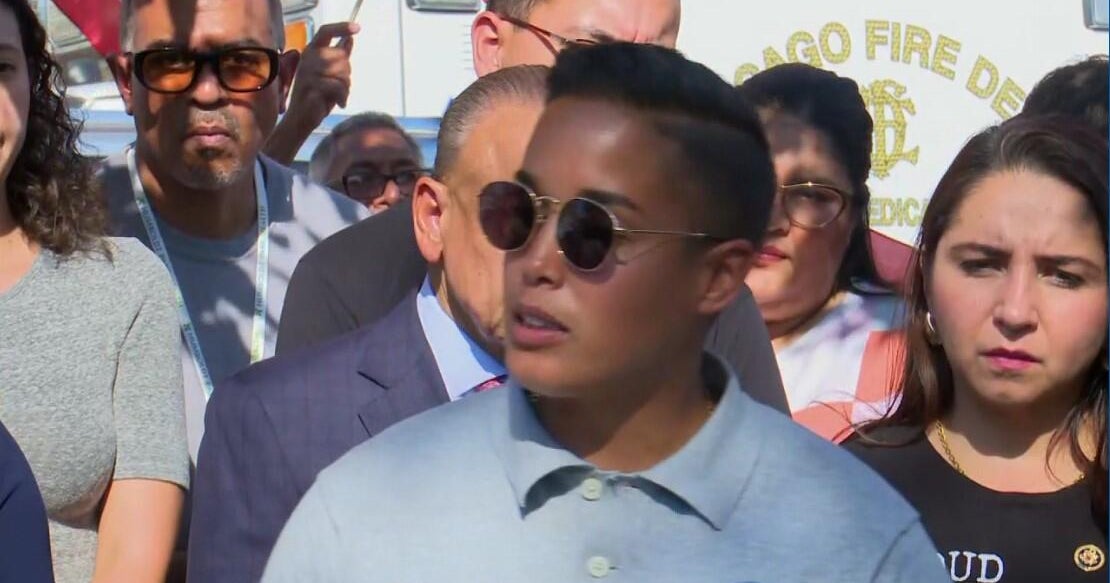
"I understand that communities have been promised projects and we've been working as diligently as we can to honor those promises but we also have to introduce a dose of reality to that," said Pittsburgh Deputy Mayor Jake Pawlak.
The recreation centers were designated for funding under the Peduto administration but because of delays in getting those projects started, Gainey administration chief of staff Jake Pawlak says the projects can no longer be funded under ARPA deadlines.
All monies must be allocated by the end of next year and spent before the end of 2026 or be returned to the federal government. Pawlak says the money is being shifted to more pressing needs like replacing aging police cars, but Controller Michael Lamb says the city has lost a chance to achieve something bigger.
"We have a one-time opportunity here to do something major and when you look at the time that's left and the money that's still unspent, which is significant, we're not going the opportunity to do that transformative kind of thing," Lamb said.
According to the latest filing, the city has allocated $228 million for various purposes. While about half of that has gone to general operations, the city has allocated $89 million to the Urban Redevelopment Authority -- much of that for affordable housing. But nearly half of that, about $40 million, hasn't been designated and yet the city is floating an affordable housing bond issue for another $60 million.
Sheehan: "Why do you need a bond issue when the URA has all this money that they haven't spent yet?"
Pawlak: "They have a long pipeline of projects that would benefit from that support in order to bring them to execution."
Pawlak says while the ARPA funds are being used for things like low interest loans and mortgage assistance to keep people in existing housing, the bond issue will support actual construction. But the city has yet to determine what that will be.
Sheehan: "We don't see a lot of projects. We don't see affordable housing being built."
Pawlak: "Many of them are in the pre-development stage. So you're not seeing cranes moving today but there's financing, there are development teams, there's site control."
The administration says more visible change is on the way and it will be funding recreation centers like Cowley as other funds become available. But neighborhood groups say they've heard it before and don't know why the mayor hasn't done these things already.
"I don't know what he's doing. I don't want to point fingers at him, but it's a big city and we just want our cut," said Troy Hill resident Ray Petrone.
The city still has $107 million in ARPA funds -- about half will go to operations next year and Pawlak says the city will have no problem designating the rest. It remains to be seen if will be as impactful as it could have been.