Other names for hurricanes | Hey Ray

We have shown you how hurricanes get their names, but have you noticed that hurricanes are not always called hurricanes in other parts of the world?
Darla asks: "Hey Ray! I hear storms called typhoons and cyclones. Are those the same thing? Why do Atlantic storms have one name and Pacific storms have another?"
This is a great question.
The quick answer is that they ARE both the same thing! They're both what we refer to as tropical cyclones. They both rated on the Saffir-Simpson Scale to estimate the wind damage potential. They both start off as tropical disturbances and become tropical storms.
From there, they are called something different.
So what determines what they are called? It is their location.
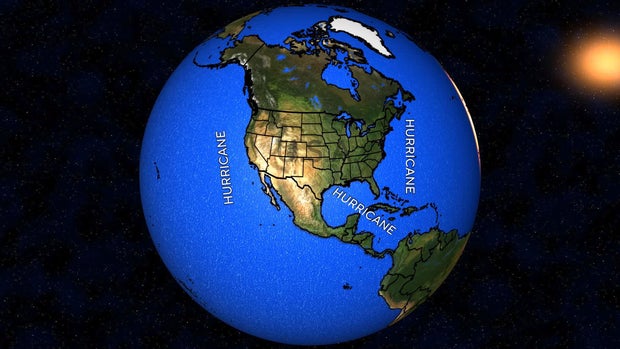
Tropical cyclones that have wind speeds of 74 mph or greater become hurricanes when they occur in the North Atlantic Ocean, Gulf of Mexico, North Pacific, and Eastern North Pacific Oceans.
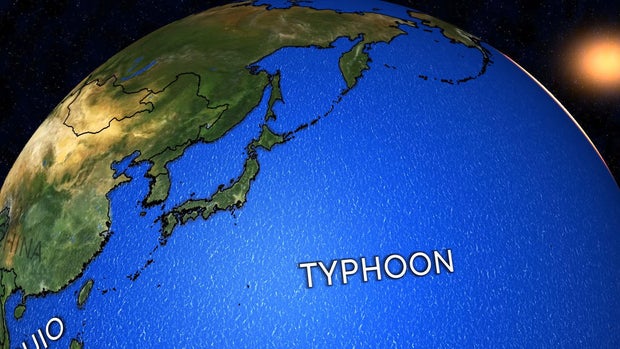
Now, if a tropical cyclone reaches 74 mph or greater in the Northwest Pacific Ocean, it is called a typhoon. Typhoons get human-sounding names, just like hurricanes do.
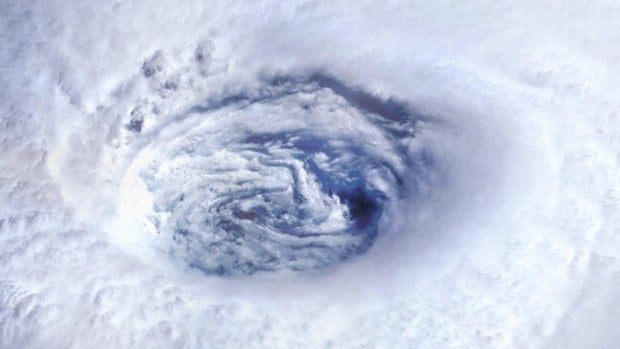
There are other regional names for tropical cyclones, too.
If a tropical cyclone occurs in the Indian Ocean, it is referred to simply as a tropical cyclone, which, in my opinion, is somewhat boring.
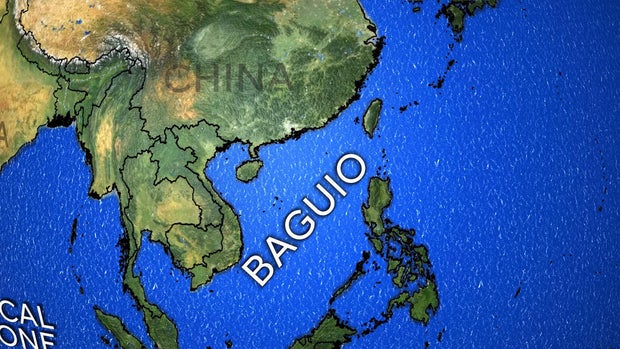
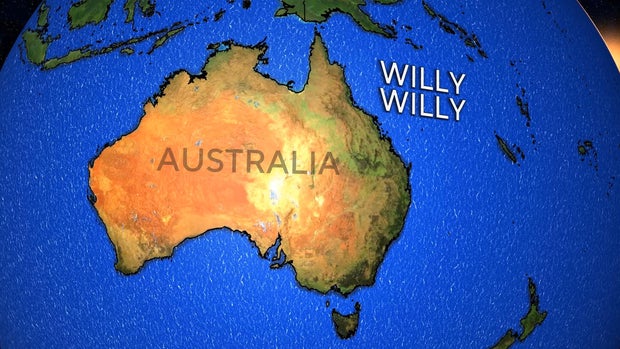
In the China Sea, they are called a Baguio (bag-EE-OH), and in Australia, a tropical cyclone is called a Willy Willy. A dust devil is also referred to as a Willy Willy, so tropical cyclones are also just called tropical cyclones there, too.
No matter what they're called, tropical cyclones are powerful storms that feed off warm ocean water.