Allegheny Health Network cardiologist warns of the risks associated with snow shoveling and heart health
Yesterday's blanket of white is simultaneously pretty while also being potentially hazardous to your health. Of course, there are the obvious risks of slips and falls, but the bigger concern comes from working to clear it all away.
It's dramatic to call it deadly, but it's also not an exaggeration.
There is a direct connection between shoveling snow and heart attacks.
The effects of shoveling snow on your heart
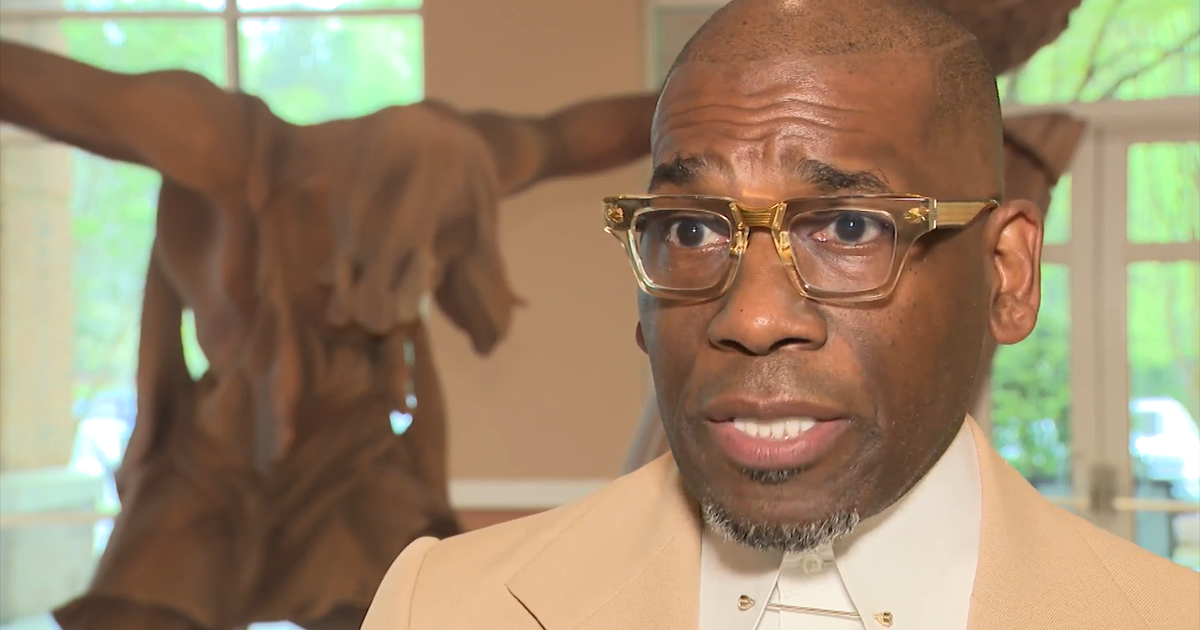
"Research shows that there is, there are a lot of different effects that shoveling snow has on the heart, which can lead to heart disease, heart attacks, as well as an increased risk of dying suddenly from shoveling snow," said Dr. Amish Mehta, a cardiologist at AHN Jefferson Hospital.
Dr. Mehta said the first part of the risk has to do with the temperature, because, as it may go without saying, you're heading outside in very cold conditions.
"Simply, the colder weather causes the blood vessels in our bodies to constrict or become narrower, which can increase blood pressure," he said.
Another risk is the fact that most people don't do any kind of pre-shoveling warmup to get the blood flowing, so you're asking your body to go from 0-60 with no preparation, and that raises the heart rate and blood pressure from the act of shoveling.
Add all of that together, and Dr. Mehta said that it can lead to added strain on the heart, which can cause a heart attack.
Why does shoveling snow cause heart attacks?
In fact, an American Heart Association expert on the topic said that shoveling snow can be more stressful on the heart than a clinically monitored stress test, causing hundreds of deaths each year.
When heading outside with your shovel, be wary of and don't ignore any kind of chest discomfort.
"Chest pain, pressure, tightness in the chest, sudden shortness of breath, fluttering, racing, skipping, pounding in the heart, oftentimes called palpitations, nausea, and light-headedness," Dr. Mehta explained.
If you feel any or all of those symptoms, stop and take a break, but Dr. Mehta said know that just stopping doesn't mean that you're out of the woods.
"If symptoms come on suddenly after [you're] already inside, then we certainly recommend calling 911, seeking medical attention, because we'd rather be safe than sorry," he said.
Who is at risk for heart attacks from shoveling snow?
A point to keep in mind, and emphasized by Dr. Mehta, is that the impacts of shoveling snow on the heart can last a while, so a heart attack can come on even after you've finished.
He added that anyone can be vulnerable, even without a history of heart issues. People who lead sedentary lifestyles are also at a particular risk.