After Peters Township student charged in "sextortion" scheme, FBI has new warning
The FBI says a growing online sextortion scheme is targeting people across the Pittsburgh area.
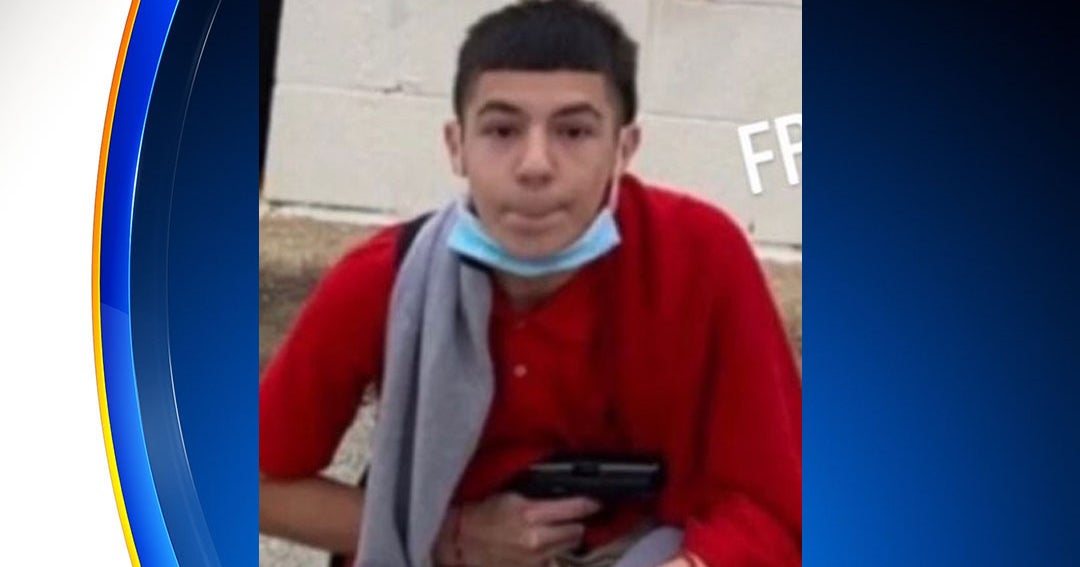
The warning comes after a Peters Township High School student was charged with more than 300 charges after he allegedly catfished and sextorted nearly two dozen minors.
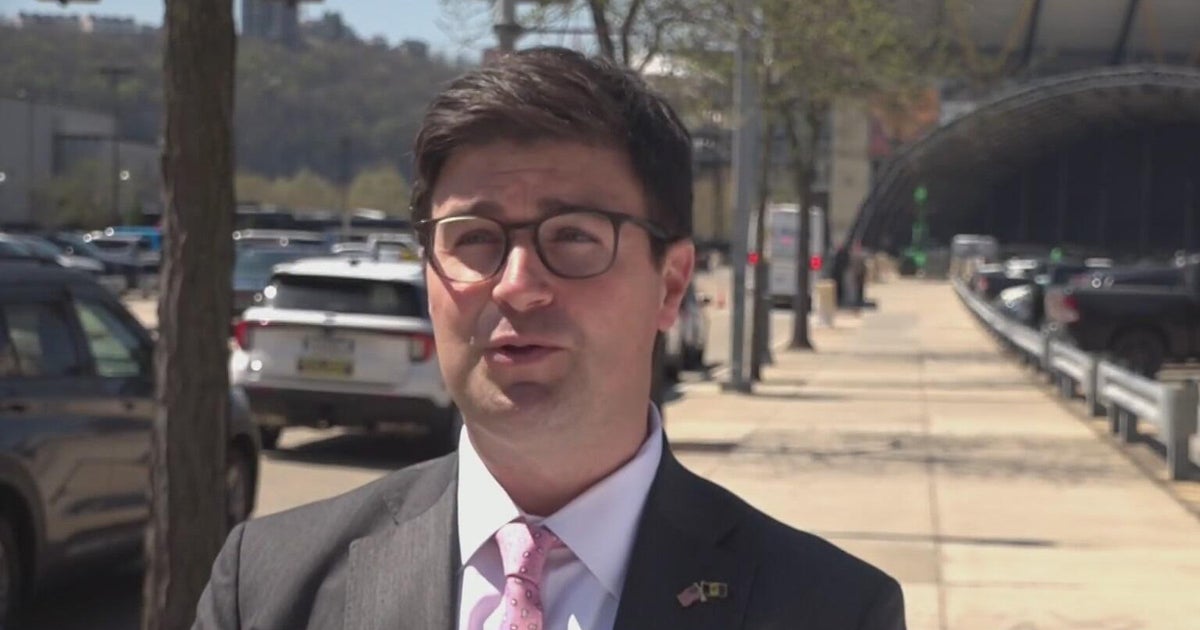
"This is happening here in Pittsburgh," FBI Pittsburgh Assistant Special Agent in Charge Christopher Giordano. "And it's not just Pittsburgh. It's all the surrounding areas."
The FBI said sextortion cases are on the rise, and they often follow two patterns. In teens, it's targeted cases where predators pose as someone their age and convince victims to send explicit images. Within minutes, the demands begin.
"Once they build that trust, once they fully groom their victim, they're able to get more out of them than what normally would be given," Giordano said.
Most often, boys between the ages of 14 and 17 are targeted in sexually motivated schemes. Giordano said the threats are blunt: pay up or the images go to friends, classmates and family.
In some cases, Giordano said the pressure can have tragic consequences.
"What we tend to see is an increase in suicide rates, especially teen suicide rates, because they feel that they're backed into a corner, that there is no better way out," Giordano said. "That this is the only escape from what is about to happen."
Giordano said parents should watch for sudden changes in their children, including panic, withdrawal, and secrecy with their phone. He added that parents need to stay engaged and talk openly about what's happening online.
"They should have full access, especially the younger generation; they should have full access to their social media," Giordano said.
However, the FBI said adults and the elderly are predominantly targeted in romance-based scams that can stretch on for months before turning to blackmail.
"This could be a call center in Cambodia where you have thousands of people doing the exact same thing over and over again, 365 days a year," Giordano said.
He stresses the same message in every case, that paying rarely stops the threats. He urges victims to save the evidence, tell their parents and call the police immediately.
"If you don't say something, we can't do something about it," Giordano said. "If you don't say something, it's going to continue. This will never stop unless people come forward."