Meet the Pittsburgh native who was the voice of Artemis II's historic launch
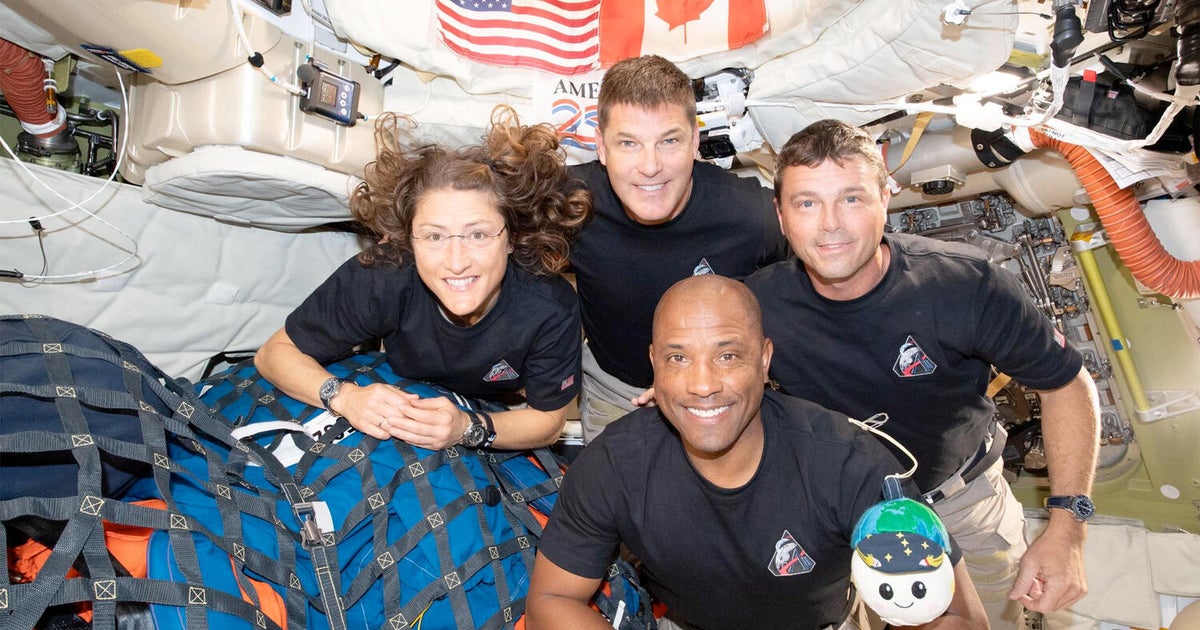
The four astronauts on Artemis II went farther into space than any human has before, and one person from southwestern Pennsylvania can say they took part in the historic mission.
Gary Jordan spent his teenage years in Cranberry Township, growing up loving Star Wars, and while those interests wouldn't take him to space, they took him to the closest place he could get.
His highlight was a little more than a week ago as Artemis II blasted off from the Kennedy Space Center in Florida, sending three Americans and one Canadian on a record-breaking 252,000 miles from Earth.
On the live broadcast, NASA commentator Derrol Nail started with the countdown to liftoff. About 30 seconds later, you could hear a different voice, that of Jordan.
"Houston now controlling the flight of Integrity on the Artemis II mission around the moon," Jordan said on the broadcast.
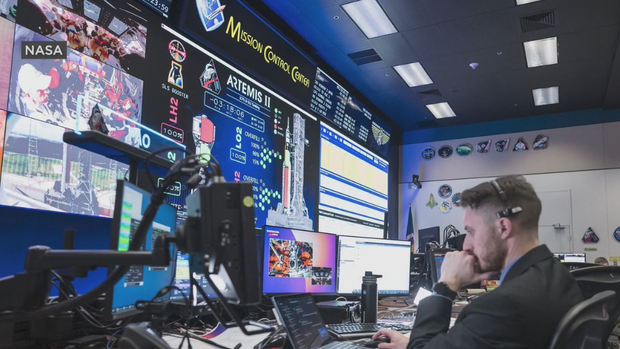
Jordan was speaking from mission control at the Johnson Space Center in Houston, where he's the manager of communications and public affairs.
For three more hours or so, Jordan was the sole voice who translated for the public the conversations between the astronauts and the CapCom, the person speaking to the crew, helping us all to understand what was happening.
"I was taking deep breaths, you know? I was trying to get really into a focused mode," Jordan told KDKA.
The Seneca Valley High School graduate said that after a year of special training preparing for contingencies, it became real at the 10-minute mark before the launch, his heart racing, but he tried to put himself into one of those simulations to separate himself from the gravity of the moment.
And about one minute into the flight, he took it all in.
"I kind of looked up and saw the engines firing. I saw the plume of smoke. I saw the roar of the engines, and for just a moment, I kind of pulled myself out from that level of focus ... and just (sat) in awe of what was happening. People were traveling, people were about to go to the moon, and we were a part of it, and we were making it happen," Jordan said.
It's a memory he'll never forget.
"It's definitely an honor. It's definitely humbling," Jordan said.
It's one he will take with him as he sets his eyes on 2028, when the U.S. plans to send astronauts back to the surface of the moon.
"I would love to stick around and do anything I can to push us towards getting there and do it what I think is the best way possible, share with as many people as possible," Jordan said.