
Hey Ray! Why you should wear sunscreen in the shade
We are getting to the time of year when sunscreen becomes even more important.
Watch CBS News
We are getting to the time of year when sunscreen becomes even more important.
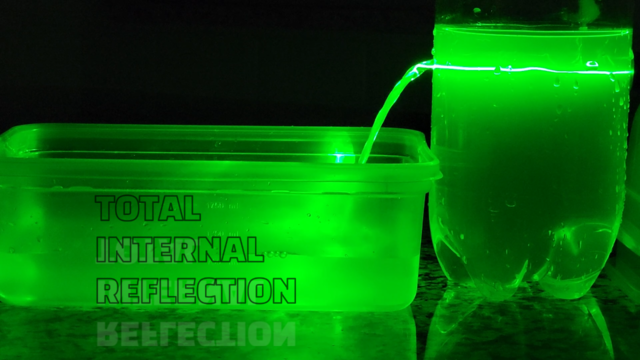
Meteorologist Ray Petelin shows us how to essentially "trap" that light in water in this cool experiment.
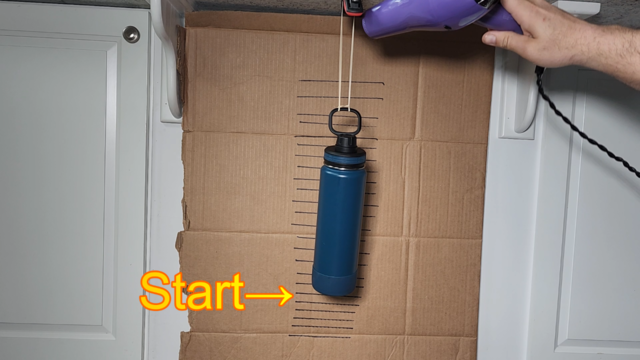
This week we are going to find out what happens when you add heat to a stretched rubber band, and just to "let the cat out of the bag", it is probably going to be the opposite of what you think!
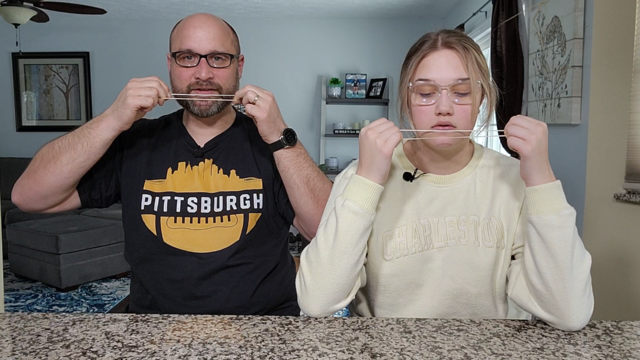
Sometimes there is complex science hidden in seemingly simple things. Meteorologist Ray Petelin shows us the hidden heat found in rubber bands, or gum bands as they're known around here.
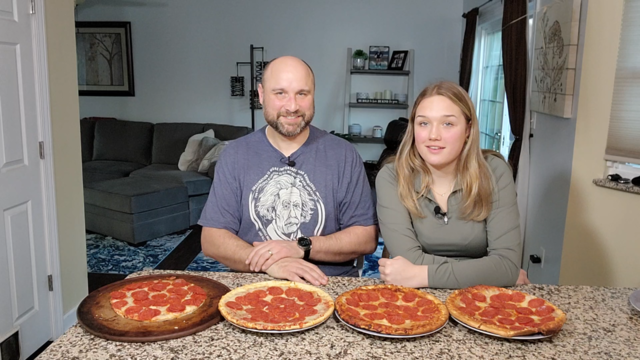
Pi Day is coming up, so what exactly is Pi? Meteorologist Ray Petelin has a tasty look at this famous number.
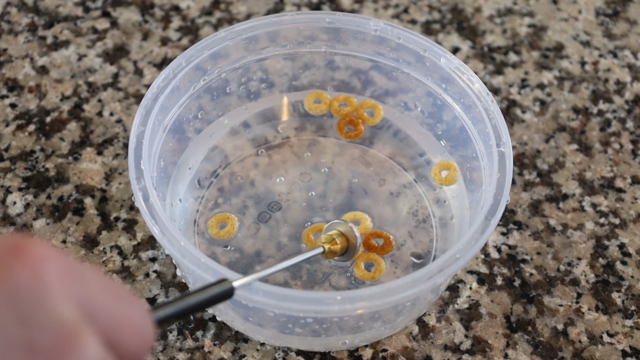
The cereal in your cupboard may be magnetic! Meteorologist Ray Petelin shows us why that is.
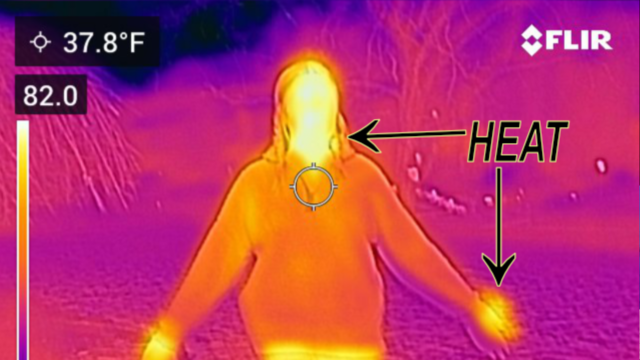
You may have wondered where a cold draft is coming from, or wanted to convince a teenager to wear a coat on a cold, winter day. This week, Meteorologist Ray Petelin show us how thermal imaging is a great way to see, and show, where heat is escaping, AND tries to use it to convince a teenager to bundle up!

Have you ever noticed snow sparkling during a very cold night or morning? There are some cool processes in action to make that happen. Meteorologist Ray Petelin shows us how "sparkle snow" forms.
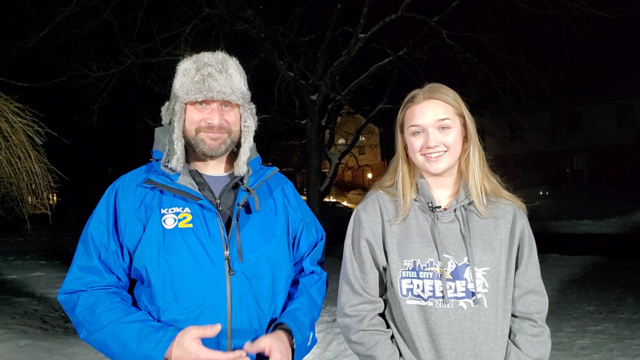
Have you ever heard anyone say "It is too cold for snow"? It is an old notion, but can it REALLY be too cold for snow? Meteorologist Ray Petelin has the answer!
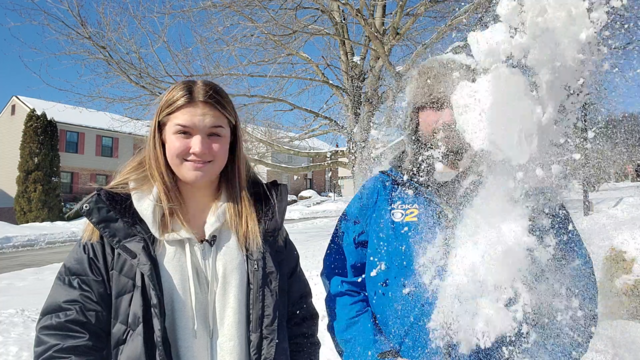
I got asked, Hey Ray...Explain upsloping? It is a word meteorologists in the area use a lot during winter because winter is the season where upsloping's impacts are most noticeable.
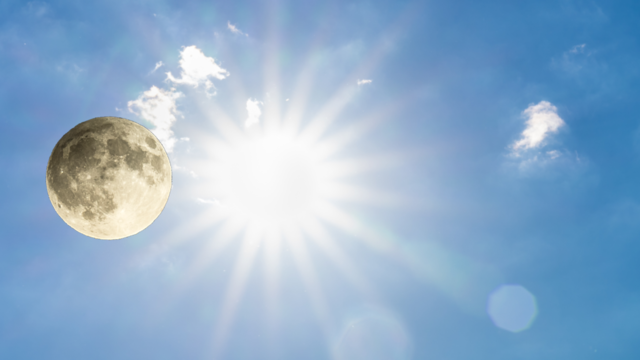
It is pretty basic knowledge that the Sun is much bigger than the Moon. Meteorologist Ray Petelin explains that they appear the same size in the sky because of some cool, mathematical coincidences.
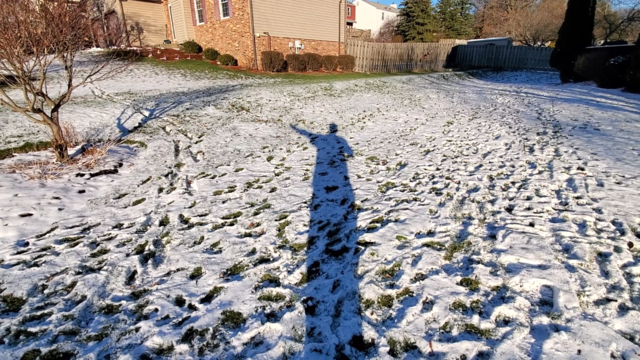
Did you know your shadow is longer in the winter than in the summer? Meteorologist Ray Petelin explains why.
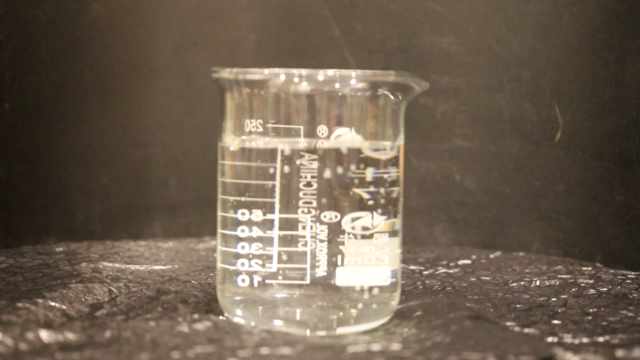
Light lets us see things, but did you know light can make things disappear, too? Meteorologist Ray Petelin has a simple experiment that shows this in action.
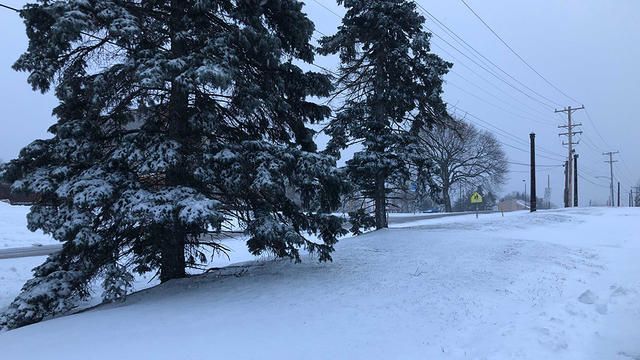
Pittsburgh has seen a lot of different weather on Christmas Day. KDKA Meteorologist Ray Petelin and his daughter Elizabeth take a look back at some of the notable weather to hit Pittsburgh on Christmas Day.
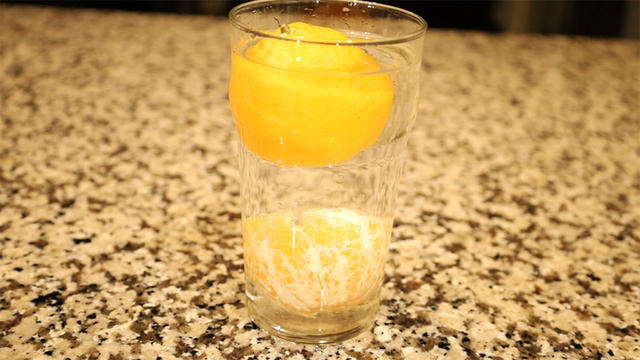
The reason some things float, and others don't is explained by the Archimedes Principle. This week, Meteorologist Ray Petelin shows us how small changes in an object can make a big difference in how buoyant that object is.
Ever since people looked for ways to predict the weather, one of those ways has been using caterpillars to determine the severity of an impending winter. Ray Petelin explains the theories in a new Hey Ray!
This time of year, it's a common weather question: What is the difference between hurricanes and nor'easters? Ray Petelin is here to explain!
Have you ever noticed that thunder sounds louder at night? Ray Petelin explains why in a new Hey Ray!
With summer heading to its conclusion, hummingbirds are about to migrate south. Ray Petelin shows you how you can prepare to say goodbye to your friends in a new Hey Ray.
It used to be said that video games were bad for you, but they have become the building blocks of some pretty cool things, including KDKA-TV's new studio! Ray Petelin explains in a new Hey Ray!
A viewer noticed a "hole" in the clouds in the sky, and in this edition of Hey Ray, Ray Petelin explains how these form!
When it's hot, you're always looking for a way to cool off, but did you know you can give your heat to other objects? Ray Petelin explains in a new Hey Ray!
Security cameras can pick up some interesting things, and there is one thing that shows up on cameras that Meteorologist Ray Petelin gets asked about a lot, and today he has the answer.
Summer officially begins on Sunday morning in Pittsburgh, and Ray Petelin is here to break down the "summer stats" for you!
You may know that Ray Petelin considers himself a "Bird Nerd." Today, he is going to show you how to get hummingbirds to come over for a close-up visit!