SEPTA seeks approval to use capital project funds, sets date for service to be restored

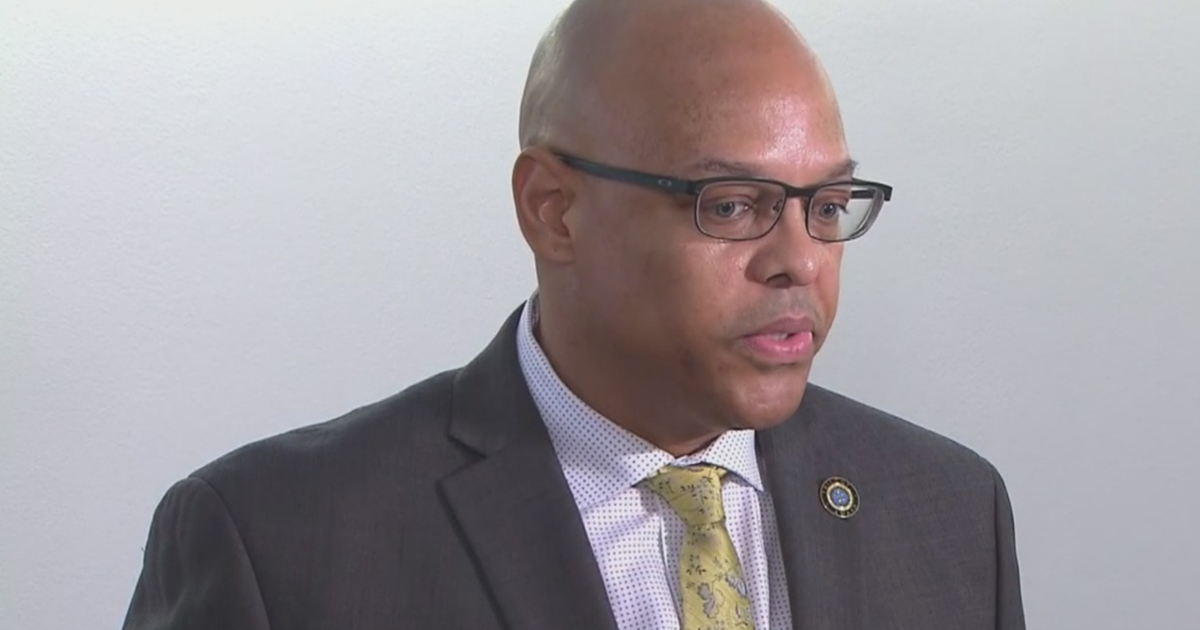
SEPTA is seeking approval from Pennsylvania Gov. Josh Shapiro's administration to use capital project money to fund operations and avoid service cuts for the next two years, the transit authority's general manager said Friday.
According to a letter obtained by CBS News Philadelphia, SEPTA is asking the Pennsylvania Department of Transportation to flex up to $394 million from its capital expenses to operating from its Public Transit Trust Fund.
The Public Transit Trust Fund, which is in place for all transit agencies across Pennsylvania, not just SEPTA, is designated for infrastructure projects and vehicle replacements.
General Manager Scott Sauer said each year, SEPTA is allotted approximately $400 million in capital dollars from the fund. The $394 million SEPTA is asking to flex would be taken from capital dollars the transit agency is expected to receive in the coming year.
"This is not the long-term funding solution we were hoping for to address our $213 million budget deficit, but over the last two weeks, we've seen the devastating effects the service cuts have had on our riders," Sauer said at a news conference. "Last Monday through Friday, we left more than 4,400 people behind at bus and trolley stops due to crowded conditions caused by running less service. The number of bus trips running late was up more than 26% compared to normal conditions. Our riders deserve better, and they deserve stability."
If PennDOT signs off on SEPTA's plan, the transit authority expects to fully restore service on Sunday, Sept. 14, Sauer said. Sauer said the transit agency is hopeful it can get an answer from PennDOT early next week.
Sauer said tapping into the fund, which would get SEPTA through the rest of 2025 and all of 2026, comes with a price.
"These are future capital dollars, which means they will not be available to us to support critical infrastructure rehabilitation and vehicle replacements in the future when they're needed," the SEPTA general manager said.
Sauer said the funds would also allow the transit authority to move forward with the implementation of the new bus network and finally prepare for the major events coming to Philadelphia in 2026.
"We've talked all along about the risk of moving money from capital to operating," Sauer said. "Make no mistake about it, there's risk here, tremendous risk to SEPTA, because we now have to go back and take a look at our capital budget, a budget that we already deferred or descoped 44 projects from due to inadequate capital funding."
"We had to descope what was a $17 billion 12-year program to a $14 billion program," Sauer added. "Now we have to go back yet again and look for $400 million more that we can defer on projects. It's not that we had this money sitting aside waiting to use it. This money was allocated to our program; now we have to deprogram it."
The latest development comes a day after a judge ordered SEPTA to reverse all service cuts. The judge's order allows SEPTA to increase fares. A previously scheduled 21.5% fare hike — from $2.50 to $2.90 — is now expected to go into effect on Sept. 14, the transit authority said Friday.
Sauer said at this point, unless there's a funding solution adequate enough to offset the revenue increase, there's little chance the fare hikes will not go into effect. The fare increase nets the transit authority roughly $31 million a year, he said.
SEPTA will appeal the judge's order, Sauer said Friday.
Sauer said tapping into the capital fund would buy state lawmakers more time to find a long-term funding solution for SEPTA.
"It doesn't change the fact that this is not a solution. This is a Band-Aid," he said. "This will get us through a couple of years, but at the expense of future capital programming. We still need a solution. We need something long-term."