SEPTA announces new schedules with 20% service cuts that could take effect within weeks


Barring an increase in state funding to address a budget gap, SEPTA is two weeks away from reducing service on more than 100 lines across its system.
Leaders at the transit authority — which serves the Philadelphia metro area with trolleys, buses, subways and Regional Rail trains — said in April that service cuts would be coming if new funding cannot fill a $213 million deficit. SEPTA's board voted in June to approve service cuts and fare increases.
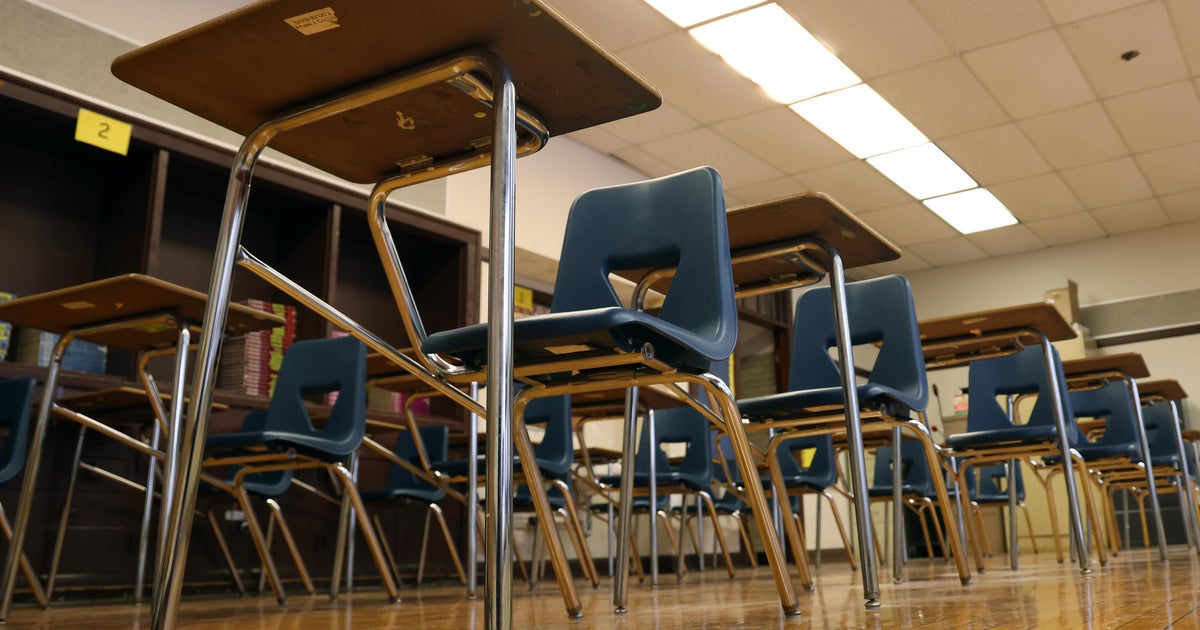
These cuts would begin to take effect on Aug. 24 — one day before School District of Philadelphia students' first day of the new school year.
A SEPTA spokesperson said state funding is needed by Aug. 14 to avoid these cuts and fare increases. Scott Sauer, SEPTA's general manager, explained that the authority needs 10 days to adjust to the possible schedule change — that time is used to update the SEPTA app and other feeds with the new information, as well as change digital signs, automated announcements and all bus and train marquees.
"Now it's real," Sauer said. "We have real schedules. We have real cuts. This is going to happen."
"We've tried everything we can to do this without cutting service or raising fares," he added. "And, unfortunately, we've reached that threshold where we can't turn back."
Other critical work leading up to the schedule change involves train signals, ensuring trains are routed to the right tracks at the right times, Sauer said in a news conference.
SEPTA previously said the proposed cuts will:
- Eliminate 32 bus routes
- Shorten 16 bus routes
- Reduce service on the 88 bus, Regional Rail and subway lines
- Cut five Regional Rail lines and the Broad-Ridge Spur subway
- Reduce all remaining services by 20%
- Add a 9 p.m. curfew on metro and Regional Rail service
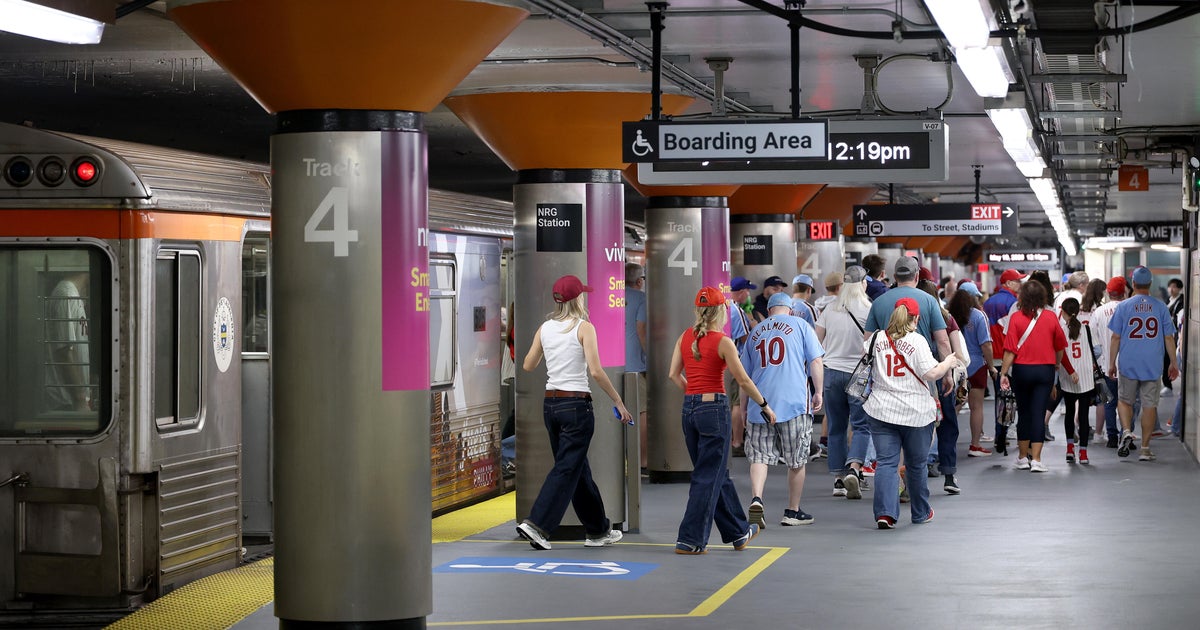
- Cancel special service such as sports express trains
- Raise fares by 21.5% starting Sept. 1
Reduced Regional Rail service would begin Sept. 2. Trains would come between 20% to 50% less often, meaning during some parts of the weekdays, trains that ran every hour would run every two hours.
"These service cuts are unprecedented, and not just for SEPTA," Jody Holton, the SEPTA chief planning and strategy officer, said. "No major transit agency has had to take steps this drastic."
SEPTA has posted links on its website with schedules reflecting the service cuts. Find those here:
- Bus & Metro: septa.org/news/bus-metro-fall-schedules/
- Regional Rail: septa.org/news/regional-rail-fall-schedules/
Starting Sept. 1, the new fare would be $2.90 for bus, metro and ParaTransit rides. That would be tied with New York City's Metropolitan Transit Authority for the highest fare in the country, although MTA is currently in talks to raise its fare to $3.
The cuts could have significant impacts on people who rely on SEPTA to get to school, work and more.
Along with the elimination of some bus routes, several others could be shortened.
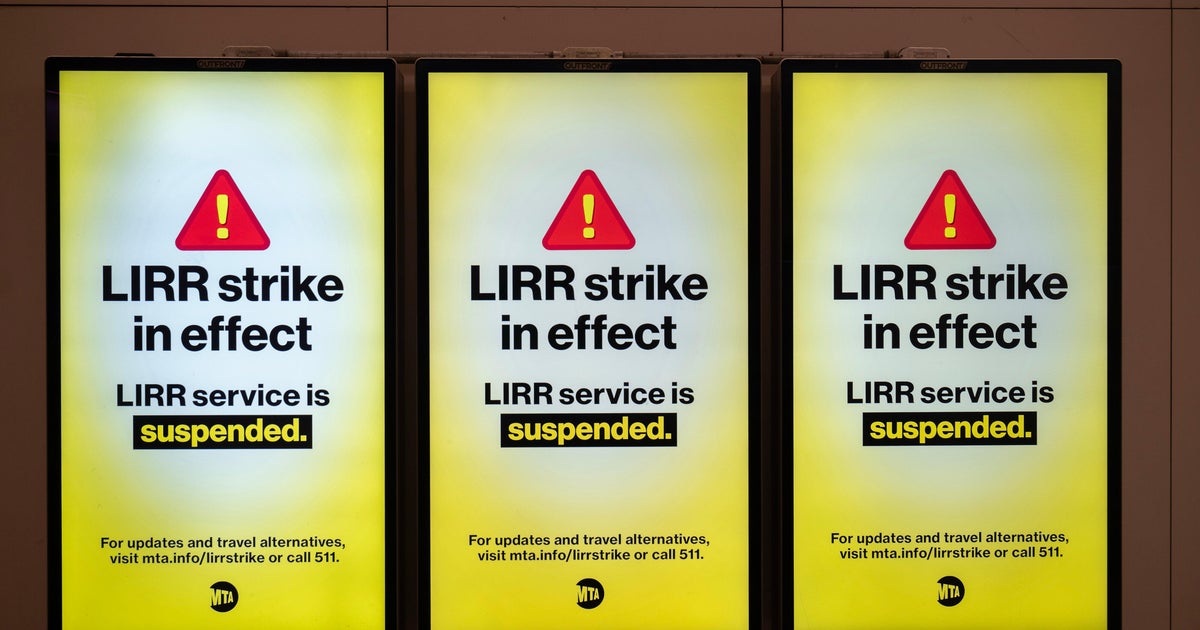
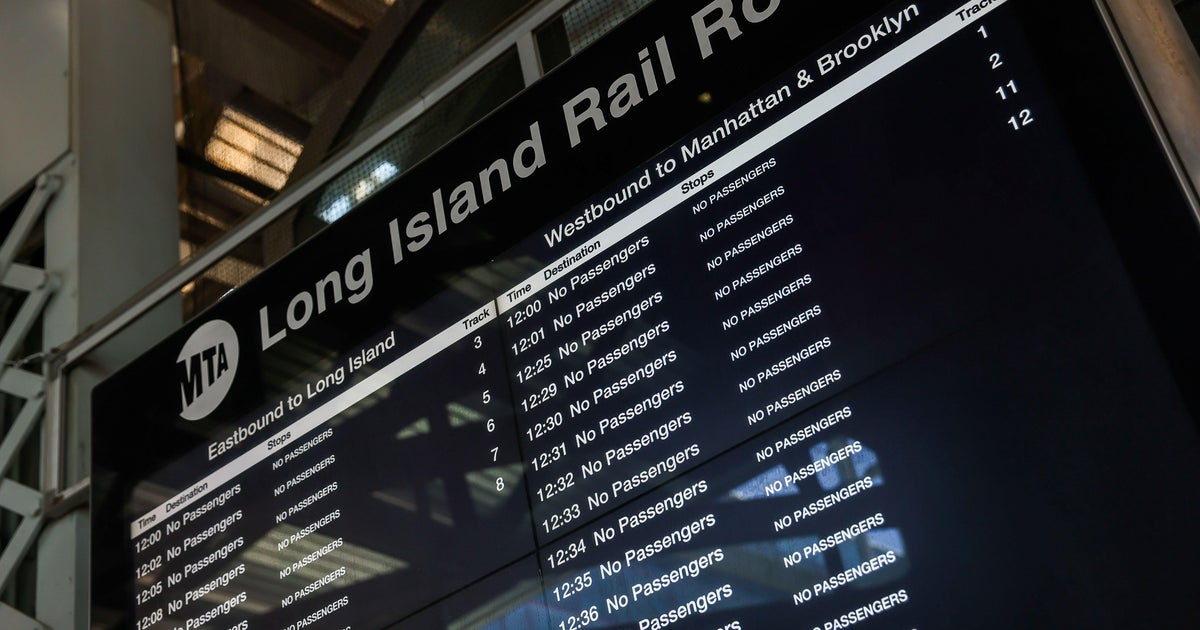
A month out from the service cuts, signs went up at several transit stops warning riders of the upcoming potential changes.
"As of Aug. 24, 2025, the following routes will no longer serve this stop due to service reductions or eliminations," the signs read.
The "doomsday" plan would include further cuts to service in January, which Sauer said would be tantamount to "dismantling" SEPTA.
A spokesperson for Pennsylvania Gov. Josh Shapiro said that the House has passed legislation and that they believe the Senate has the votes to get it done.
On Wednesday afternoon, the Pennsylvania House Transportation Committee approved a bill by Rep. Sean Dougherty that he said would provide funding for SEPTA.
"I've included Senate GOP oversight language in my bill that would also provide the necessary funding for SEPTA, and it was approved in the #PAHouse Transportation Committee today," he wrote on X. "Now the Senate is out of time and out of excuses. Let's get this done. #FUNDSEPTANOW."
If the funding situation is resolved after Aug. 14, it will take SEPTA about 10 days to get back to normal, Sauer said.
With no budget passed, SEPTA is still without its base level of funding it gets from the state, as legislators try to work out the funding increase the authority needs. Sauer also confirmed that without even the base-level budget appropriation from Harrisburg, SEPTA will be pulling from its stabilization fund to keep the system going.
After the announcement, state legislators and transit advocates rallied at City Hall, calling for the passage of a state budget that fully funds SEPTA and other transit agencies.
"Our deadline to avoid service cuts is now as real as ever with SEPTA drawing their line on the tracks today," Rep. Morgan Cephas, the chairwoman of the Philadelphia House Delegation, said in a statement on Wednesday. "We have eight days, but we're hopeful that the actions of the House Transportation Committee this afternoon will build the necessary consensus to overcome this impasse and keep our city working and economy moving."