This University of Pennsylvania lab is working on new ways to detect microplastics
The Trump administration is taking aim at microplastics, calling them a "human health threat." The tiny fragments are found in the air, water, food and even clothing.
In Philadelphia, the University of Pennsylvania has a microplastics lab that's working on creating new detection methods and ways to clean up the potential toxins.
An estimated 33 billion pounds of plastic pollute oceans every year, eventually breaking down into tiny fragments. But it's not just in the ocean, scientists have discovered that microplastics are now ubiquitous.
"Microplastics have been associated with a range of health effects," said Samantha McBride, a professor researching them at the University of Pennsylvania. "Everywhere we've looked, bloodstreams, semen, any type of bodily tissue, microplastics have been found."
Some studies have linked microplastics to cancer, heart attacks, reproductive problems and other harms. But there's nothing definitive.
"The EPA and HHS are acting together to confront microplastics as a human health threat," Health and Human Services Secretary Robert F. Kennedy Jr. previously said.
Kennedy added the feds will now focus on microplastics contaminating water.
At the Penn lab, they're refining detection methods.
Scientists said drinking liquids from plastic bottles or aluminum cans can be a significant source of exposure to microplastics. The better alternative is to drink tap water because it has the fewest amount of microplastics, according to McBride.
McBride said a bigger potential threat comes from something we all deal with every day.
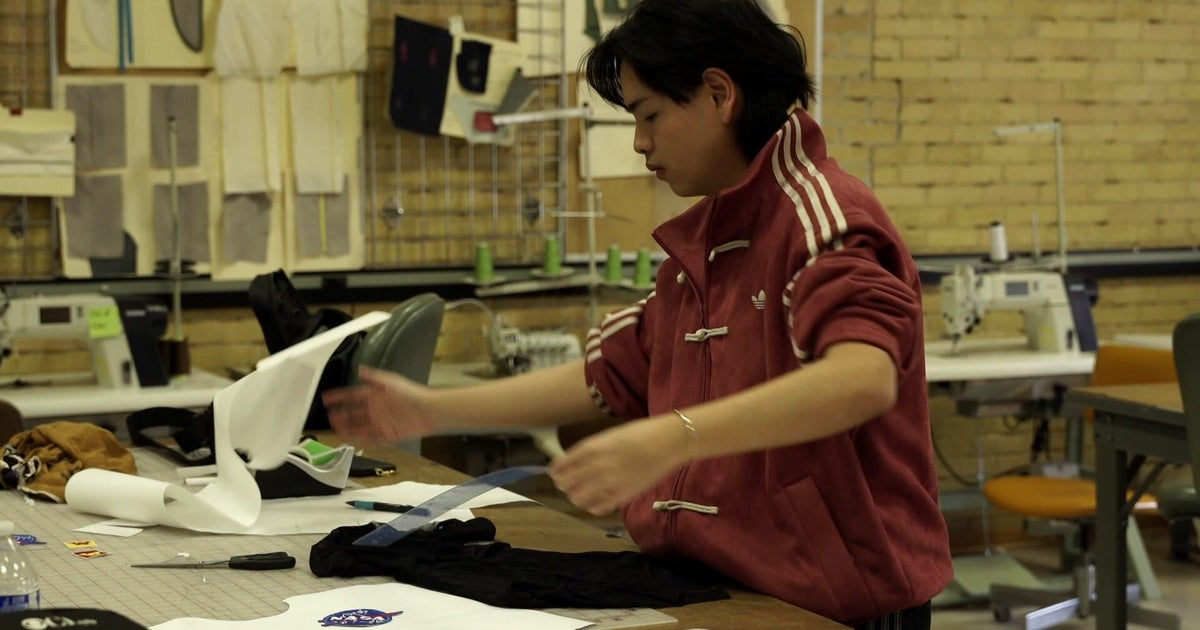
"Our clothes are constantly shedding microplastic fragments that we can then breathe in," she said. "A vast majority of fashion nowadays, especially fast fashion, is going to be polyester, different types of synthetic materials that are plastics."
In addition to researching microplastics, McBride is also working with the Water Center at Penn, which is focused on ways to improve water systems.