How federal cuts are making weather forecasting more difficult

If you're frustrated about the quick-changing weather this summer, you're not alone, and WCCO's NEXT Weather team of meteorologists is warning things may be even more unpredictable in the future.
A big drop in the number of weather balloons is leading to major changes in how experts forecast the weather.
Predicting the weather has always been an inexact science, a hazard that comes with the job for the crew from Northridge Landscapes.
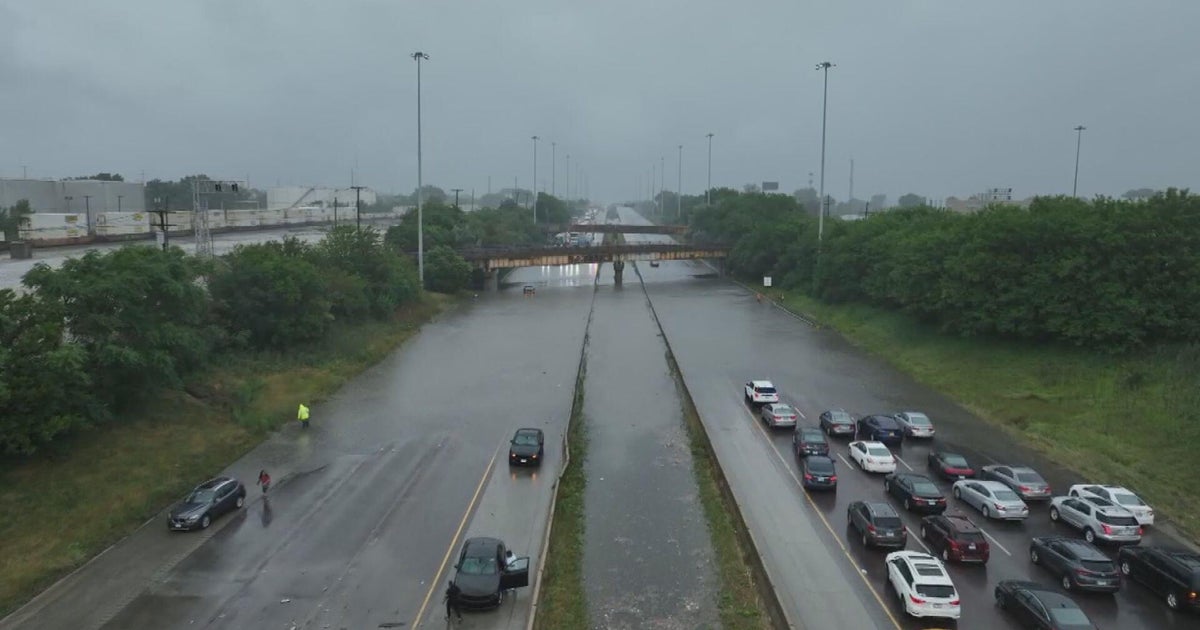
"There have been days we haven't expected rain and then we'll get to the job and just downpour on us and make it hard to work," Jason Eide said.
The opposite can happen, too, and working big patio jobs or organizing an aquatennial torch parade — these things don't have the luxury of just going with the flow.
Meteorologists rely on many tools, including and especially weather balloons. The National Weather Service still launches balloons every day, but not as many as before, as the agency grapples with spending cuts across the federal government.
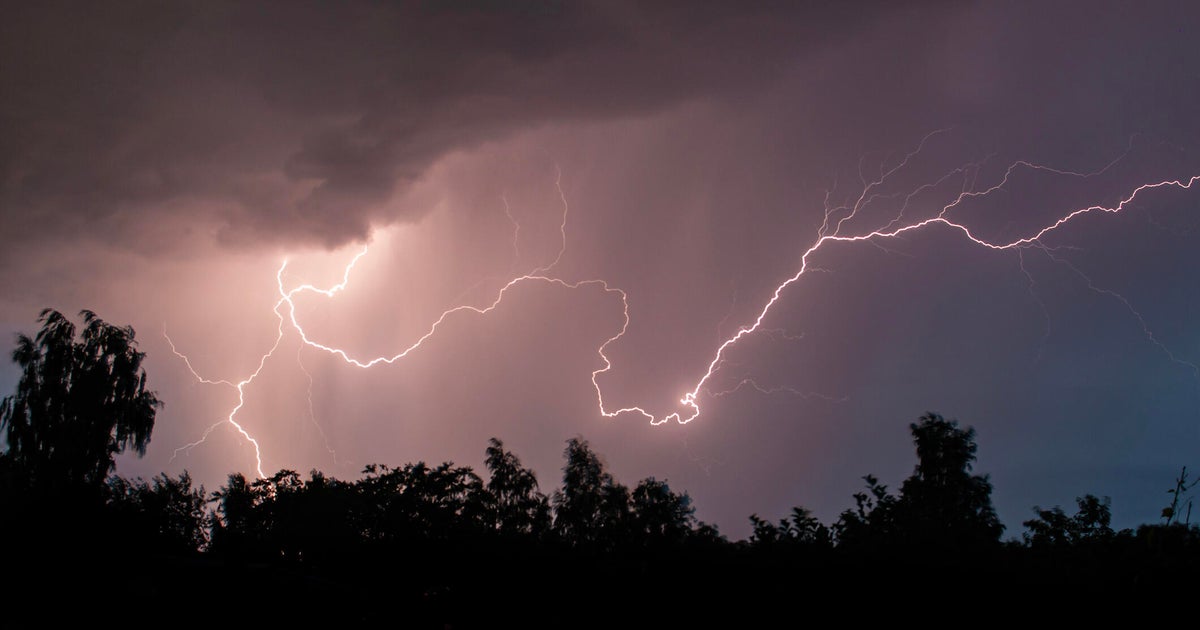
On Wednesday, four models predicted severe weather in the Twin Cities. There was severe weather, but it came earlier and hit south of the metro.
"Last year, this same weather pattern, more or less, was playing out and our public forecasts changed less and were more accurate because we had more solid basis to make our forecasts," WCCO Director of Meteorology Mike Augustyniak said.
This might be the new normal, and for the Northridge Landscape crew, they say they'll still count on NEXT Weather, but also appeal to a higher authority.
"Yeah, try praying. That will help," Eide said.
There are other pieces to the forecasting puzzle, including satellites and historical data.
Congress still has to approve the proposed cuts to the National Weather Service.