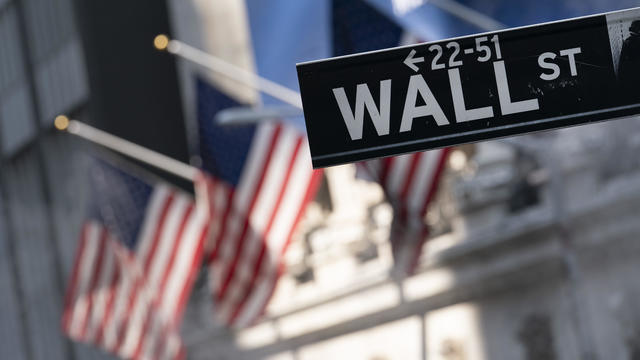
Stocks tumble on Wall Street as Fed escalates inflation fight
Fed raised key interest rate by three-quarters of a percentage point and signaled it plans to keep rates higher longer.
Watch CBS News
Fed raised key interest rate by three-quarters of a percentage point and signaled it plans to keep rates higher longer.
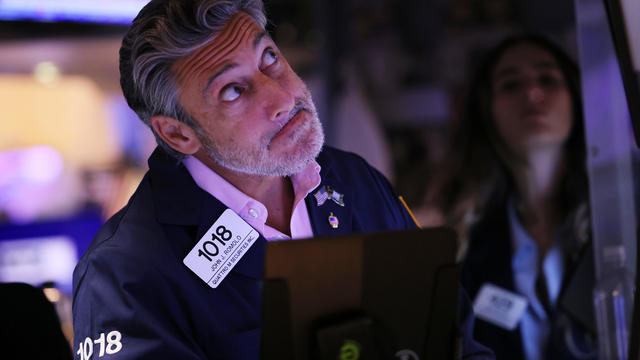
"A sustained rally is likely to require clear evidence that inflation is on a downward trend," a UBS analyst said.
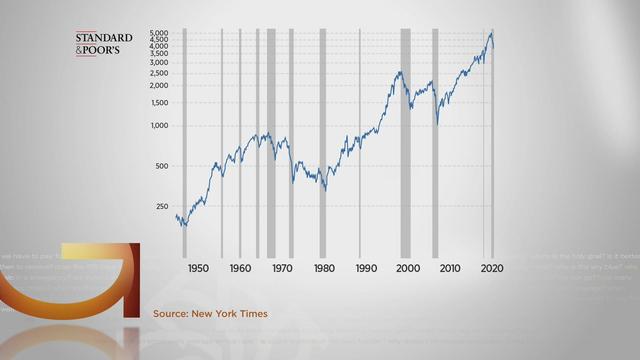
The S&P 500 tumbled even more Thursday, putting it firmly into a bear market. That's not an official term, but more of an arbitrary marker as investors worry about the future.
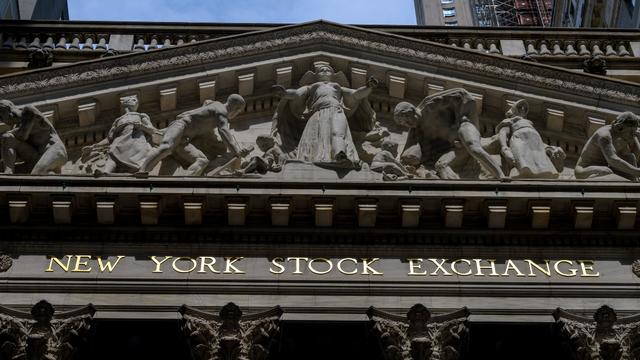
Does the huge drop in the Dow Jones and other indices mark the end of a historic run that dates back to the pandemic's early days?
The stock market has enjoyed unprecedented gains during the pandemic, with the strange, meteoric rise of GameStop among the highlights.
A mass of amateur internet investors is buying GameStop stock, causing its stock price to soar. It's led to big gains for them -- and bigger losses for the hedge funds.
The stock market has enjoyed a historic rise, despite the pandemic and political upheaval, and looks poised to continue growing through 2021 and beyond.
The Dow Jones crossed the 30,000 threshold for the first time ever Tuesday, fueled by news that suggests a more stable economy in the near future.
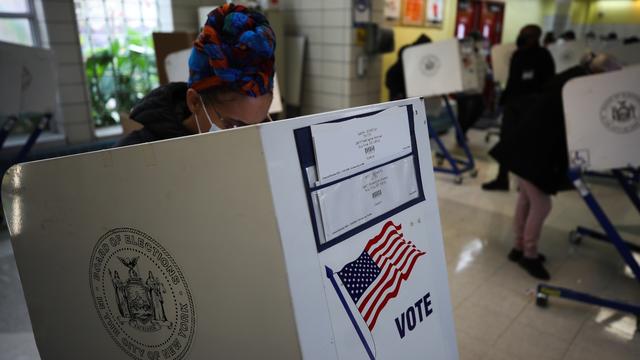
Today's stock market gains come despite all the election uncertainty, but may suggest optimism for a second stimulus package down the line.
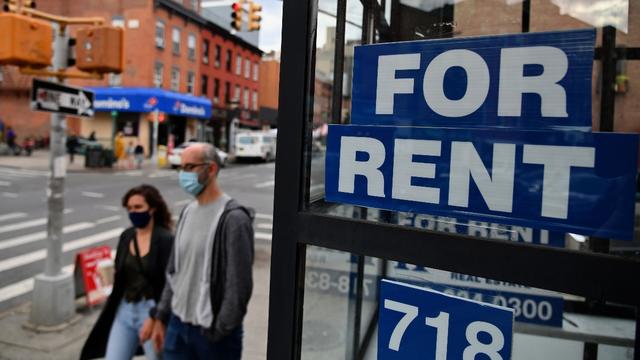
In an economy beset by pandemic-induced hardship, why is Wall Street thriving while Main Street is struggling?

COVID-19 and its economic uncertainties are jolting investor confidence. That is causing volatility in stock equities, a falling dollar and adding fears of inflation.
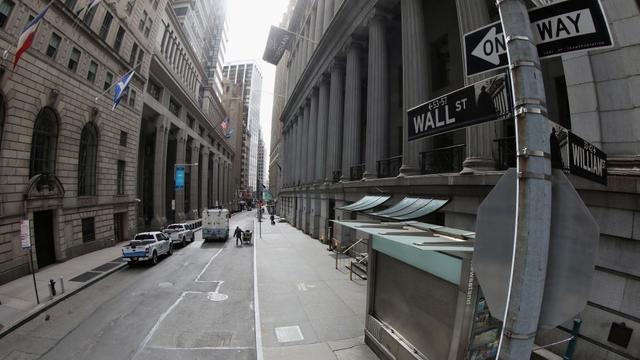
The stock market reacted positively to the recent record unemployment numbers, which suggests a strong economic comeback, but be wary.
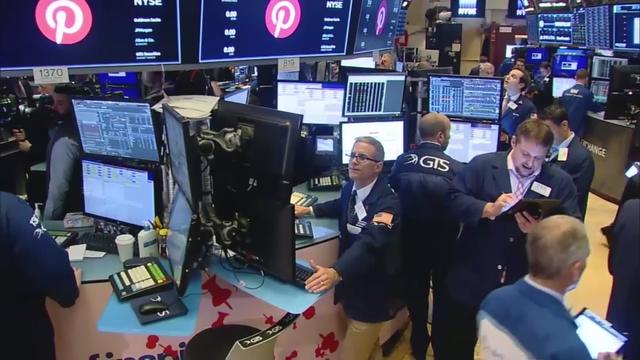
The stock market fell sharply Wednesday, with the DOW, Nasdaq and the S & P 500 all down. The bond market prompted the plummet.
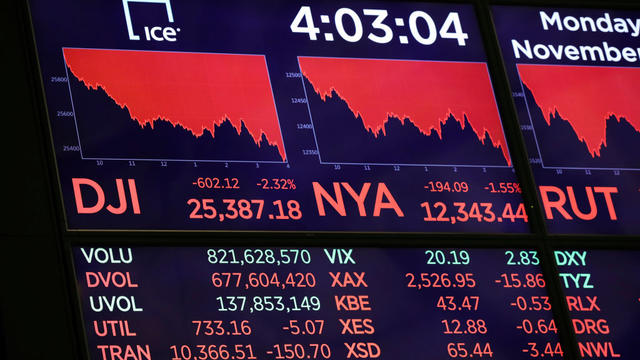
The Dow dropped more than 600 points, which is more than 2 percent. This caps off a tumultuous three weeks of twists and turns. But the recent volatility doesn't mean long-term investors should worry, experts say.

Stocks are slumping for a second straight day as the market endures its most volatile stretch since February. The Dow Jones industrials fell 545 points, or 2.1 percent, to 25,052.83 and the benchmark S&P 500 dropped 57 points, or 2.1 percent, to 2,728.37. Both indexes have fallen more than 5 percent the past two days.
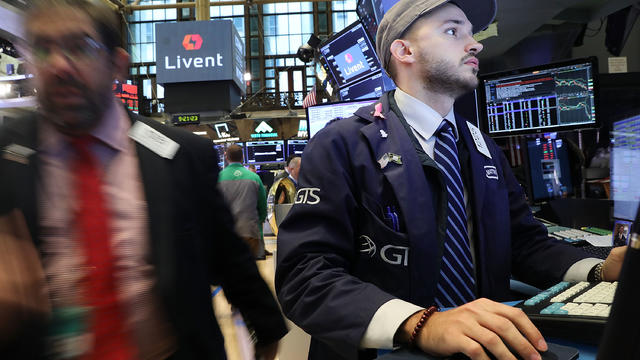
Technology and internet stocks have led the way for much of Wall Street's bull market run, propelling the stocks of big names like Apple, Amazon and Google's parent company sharply higher along the way.

The Dow plunged nearly 832 points on Wednesday, the third-worst point decline in history.
The company's stock plunged Friday morning after it reported a decline in its monthly users and warned that the number could fall further in the coming months.
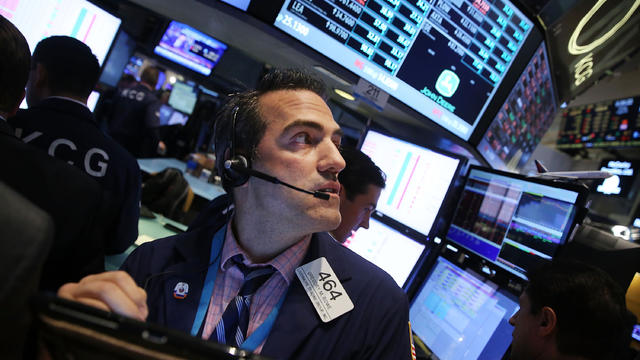
Since March of 2009, the stock market has been on a roll. The S&P 500 is up about 250 percent. So, how long do bull markets last?
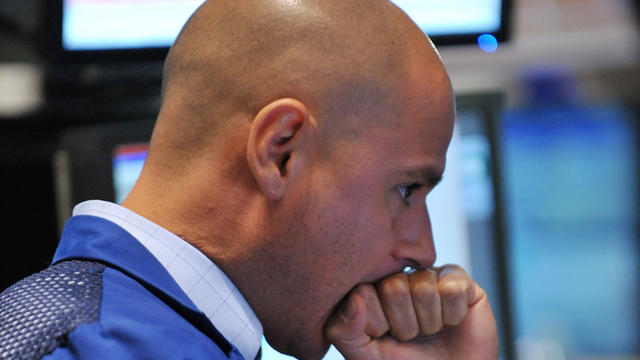
At one point, the Dow plunged more than 500 points Wednesday before bouncing back to close off by nearly 250. Plummeting oil prices and China's economic slowdown are dragging the markets down.
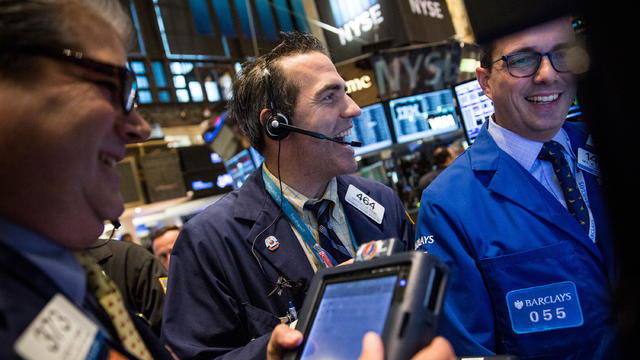
The Dow Jones industrial average rocketed more than 600 points Wednesday, its biggest gain in seven years, snapping a six-day losing streak that had Americans nervously checking their investment balances.
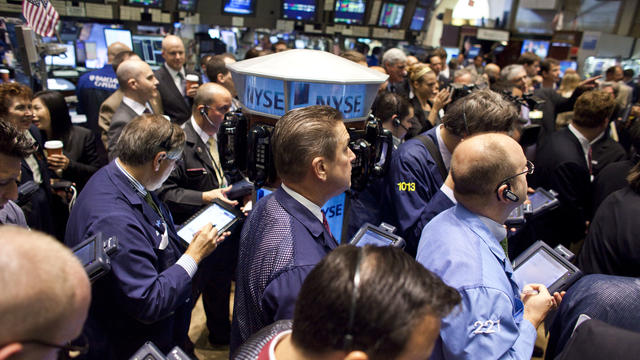
After another day of huge sell-offs on Wall Street, the Dow Jones is down 13 percent and the S&P 500 is down 11 percent from their highs back in May. That means it's an official market correction.
U.S. stocks slumped again Monday, with the Dow Jones industrial average plunging more than 1,000 points at one point in a sell-off that sent a shiver of fear from Wall Street to Main Street.

Tuesday is going to feel to just a tiny bit longer. Just before midnight Coordinated Universal Time – or 7pm Central time – exactly one second will be added to our clocks. So, why do we add time? Good Question.

Take a close look at your homeowner and auto insurance policies -- the cost may be going up. Minnesota lawmakers are considering a bill to add a $5 surcharge on every policy in the state.