Minnesota bill would cap what resellers can charge for concert tickets
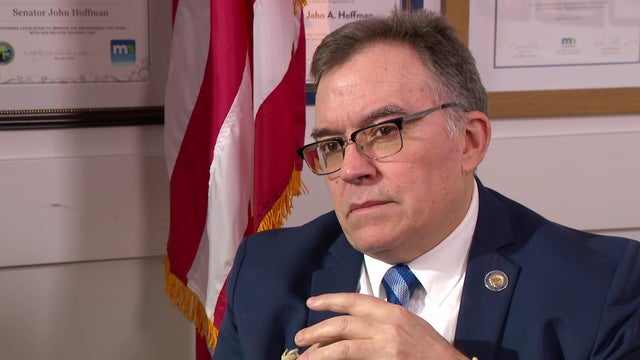
Some Minnesota lawmakers want ticket resellers to face the music for charging exorbitant prices on the secondary market.
Watch CBS News
Caroline Cummings is an Emmy-winning reporter with a passion for covering politics, public policy and government. She joined the WCCO team in January 2021.
Caroline comes to the Twin Cities from Des Moines, Iowa, where she reported on government and politics as the statehouse reporter for five local TV stations across the state. She covered three sessions of the Iowa Legislature, spending hours covering state policy as it was introduced, debated, and signed into law at the state capitol.
During the 2020 election cycle, she crisscrossed the state to follow presidential candidates ahead of the Iowa Caucuses and had several one-on-one interviews with then-candidates Joe Biden, Bernie Sanders, Elizabeth Warren, Pete Buttigieg and more.
She was selected for the National Press Foundation's state and local government fellowship in 2019 and her reporting contributions to a special program on the caucuses earned her an Upper Midwest Emmy in 2020.
Caroline was born in Washington, D.C., and grew up in the suburbs in Maryland. She's a proud graduate of the University of Maryland Philip Merrill College of Journalism. In college, she reported on the Maryland Legislature and covered hearings on Capitol Hill, experiences that solidified her passion for political reporting.
When she isn't snooping for her next story, she's probably catching up on 60 Minutes, streaming new music on Spotify or eating her way through the Twin Cities' "Best Restaurants" lists.
Some Minnesota lawmakers want ticket resellers to face the music for charging exorbitant prices on the secondary market.
The Minnesota Department of Human Services didn't leverage its existing authority to investigate reports of kickbacks in the autism treatment program vulnerable to fraud, a new watchdog report determined.
As fraud remains in focus in the Minnesota Legislature, the House on Monday unanimously approved a bill to repeal from state law a problematic program that prosecutors said was the target of a massive fraud scheme.
Minnesota House Speaker Emerita Melissa Hortman and her husband Mark were murdered in their home in June 2025. On top of grieving the sudden, tragic loss of his parents, Colin Hortman says the cleanup of his childhood home was a headache.
From groceries to gas bills, Minnesotans see sticker shock every day. It's why at the State Capitol, Republicans and Democrats are looking to cut down on those high costs — but through contrasting visions.
Gov. Tim Walz on Tuesday proposed an overhaul of Minnesota's Medicaid system in the wake of high-profile cases of fraud in state programs. But the plan is poised to face big hurdles at the state Capitol where lawmakers would have to approve it and some are skeptical of the idea.
Children under 18 would no longer be able to use chatbots if a bill at the Minnesota Legislature passes this session. It's one proposal among several targeting artificial intelligence with new regulations.
One in six struggle to get pregnant or stay pregnant, according to analysis by infertility associations, and many cannot afford treatments due to high out-of-pocket costs.
Some Minnesota House Democrats think any federal immigration agents who lived in the state during Operation Metro Surge should pay state taxes.
The future of self-driving cars, including robotaxi service Waymo, is up for debate at the Minnesota Capitol where lawmakers are discussing a regulatory framework to give the vehicles a clear lane to operate in the state.
The parents of an 11-month-old boy who was suffocated to death by an employee at his day care last fall say they want to make sure the tragedy never happens again.
More than eight months after the politically motivated shooting attacks on lawmakers inside their homes, the Minnesota Legislature is considering creating a special security unit for elected officials.
Thousands of Minnesotans enrolled in Medicaid take a total of millions of trips to their medical appointments each year through nonemergency medical transportation services, a federally required, taxpayer-funded program that's among more than a dozen others Minnesota determined to be at "high risk" for fraud.
Minnesota's state budget has improved in the few months since the last estimate from top officials, but there are still some warning signs in the future.
Fraudsters have stolen millions in taxpayer money in Minnesota, putting pressure on lawmakers to find fixes.