University of St. Thomas students getting hands-on research experience with microgrid technology

Plans for major new data centers in Minneapolis and Pine Island, Minnesota, are a sign of the region's growing digital infrastructure.
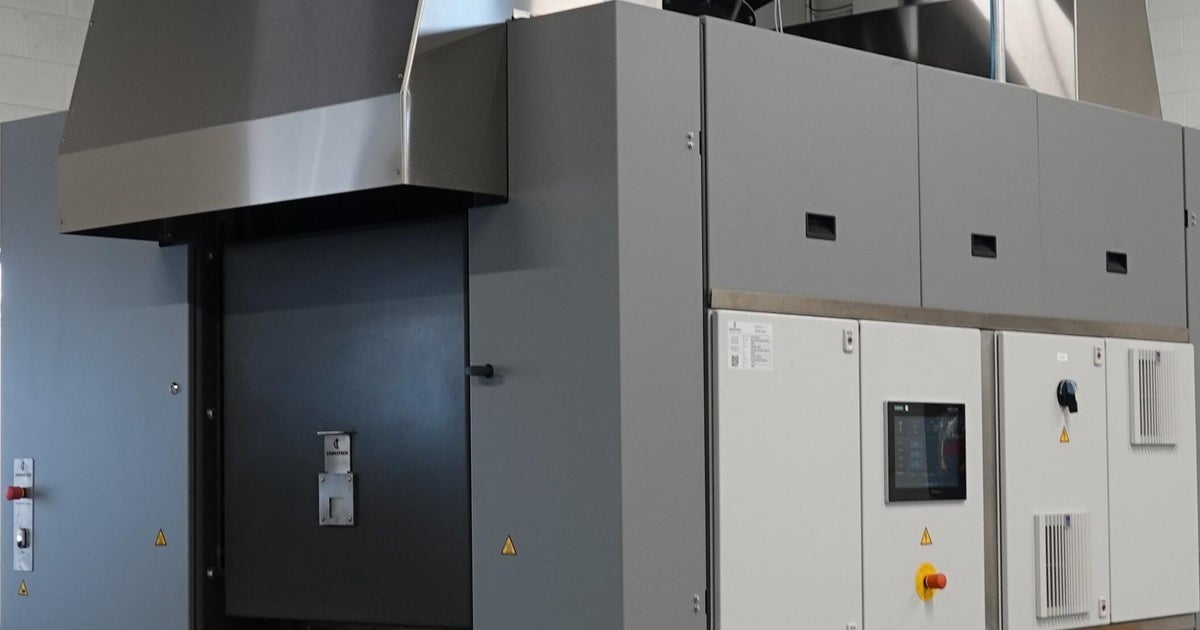
College students are now working directly with the microgrid technologies that help power them at the University of St. Thomas in St. Paul, Minnesota — one of the only research facilities of its kind in the nation.
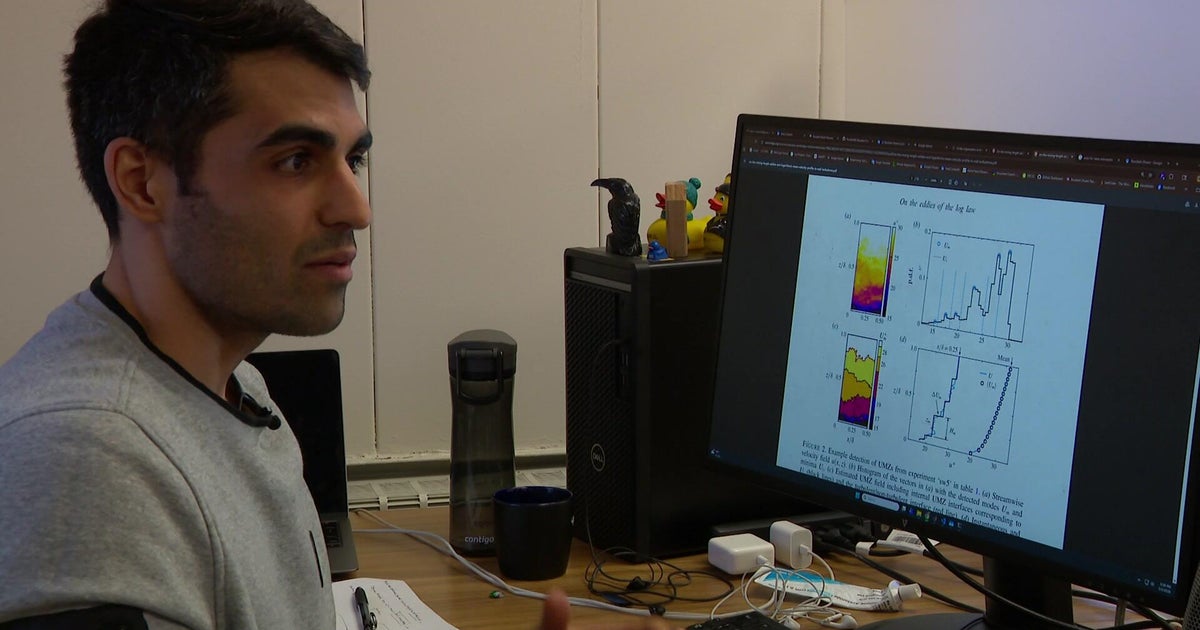
More than 20 students and staff are working on applied research, testing how energy sources like solar, wind and natural gas can work together.
"When you group them together you start to leverage the benefit of each of those, and then combining them to have a better coordination between all of them," said Professor Mahmoud Kabalan.
That coordination is becoming more important as power demand surges, especially from AI-driven data centers expected to increase energy demand 160% by 2030.
"Localizing energy production becomes even more critical," said Kabalan. "If something happens to the grid, you've got to be able to say, 'OK, I'm going to withstand this event for many days.'"
That need is playing out in the suburbs and downtown Minneapolis, where the headquarters of Sleep Number recently sold and a small data center is now running inside it.
Back on campus, these students are testing these systems in real time.
"There is an actual microgrid that is commissioning. So, it's easy to test it, it's easy to analyze each behavior of each device," said lead graduate assistant researcher Mohanad Elsayed.
The work connects theory to practice.
"It builds on my foundation while addressing the bigger gap of renewable resiliency and how to integrate the theoretical knowledge I have into real world practice," said graduate student Hanadi Harun.
A new 6,000 sq. ft. expansion under construction on campus will provide a new home for the university's growing Center for Microgrid Research.