Twin Cities suburbs face "unprecedented" financial hurdles after Operation Metro Surge

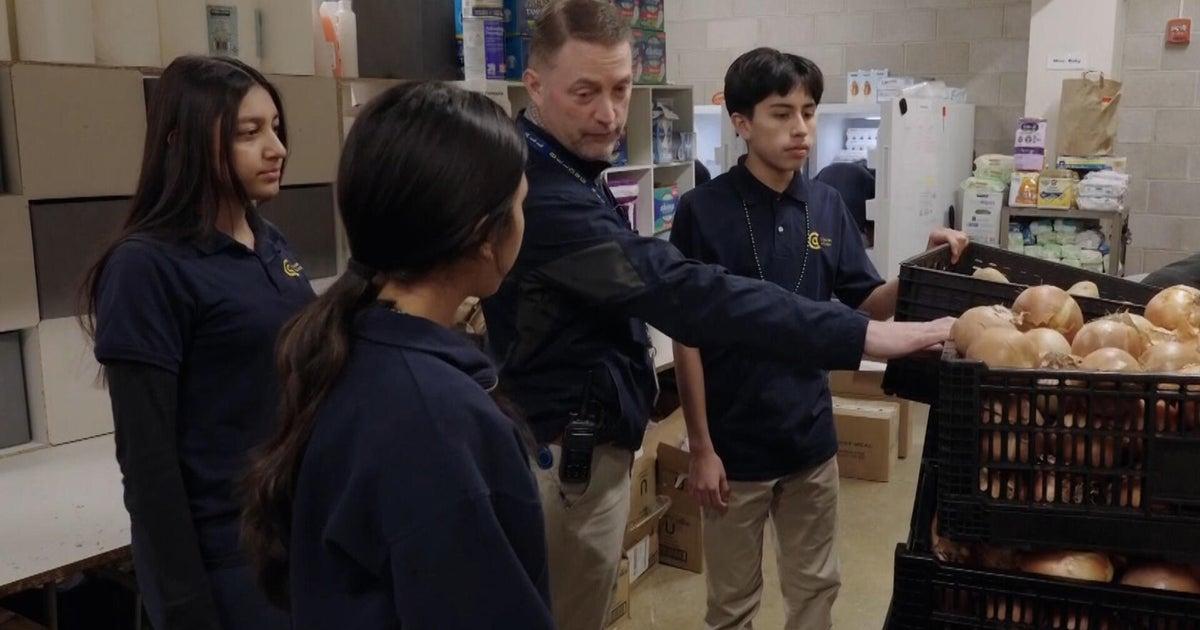
In Hopkins and Minnetonka, Minnesota, a nonprofit serving both communities is seeing an unprecedented level of need in the wake of Operation Metro Surge.
Matt Dymoke, Director of Development and Communications, ICA Food Shelf, said that the organization has had to find ways to provide about $150,000 in rent assistance in the past six weeks, which is 10 times the amount it would normally provide in a given month.
"We know that that's not going to stop anytime soon," Dymoke said. "The impacts of Operation Metro Surge are going to be there for months to come."
On top of rent, Dymoke said that his team has provided thousands of emergency food packages.
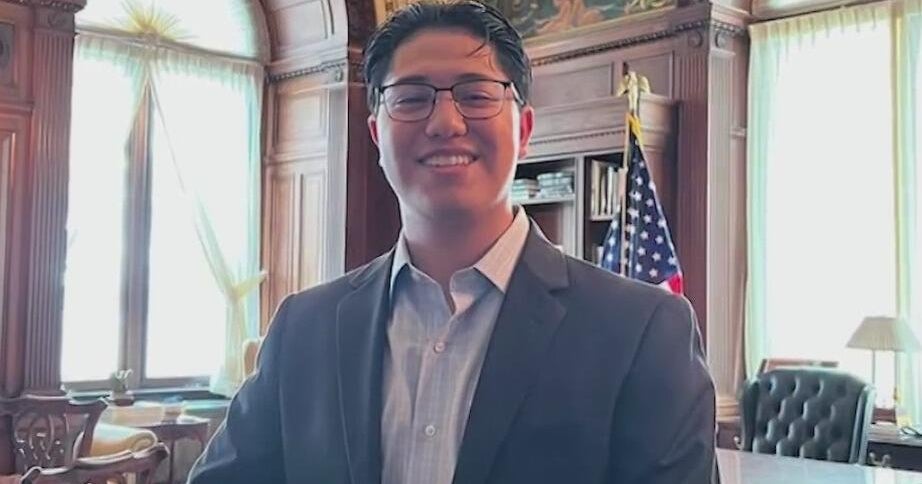
Hopkins Mayor Patrick Hanlon said that he knows that people and businesses are struggling, noting that the city incurred around $150,000 in unexpected costs during the Immigration and Customs Enforcement surge.
According to Hanlon, that figure primarily applied to police overtime, with officers playing catch-up to ICE operations that at times disrupted traffic in Hopkins.
"I don't know what they [ICE] were thinking or are thinking going around with masked men, pulling guns out at a moment's notice," Hanlon said.
Hopkins joined about 20 other municipalities in February to ask the State of Minnesota for assistance, concerned that smaller cities will be unable to sustain these unexpected costs in the long term.
"I would argue that this isn't a partisan issue," Hanlon said. "This is all unprecedented, so we're trying to figure out how to deal with those costs."
As for the human toll, Hanlon said that he's still learning about community members that he believes were detained illegally.
He said in one recent instance, a local lawyer was able to successfully bring a parent home after filing a habeus corpus petition. Hanlon said that this was one parent in the school district helping another.