Minn. State Patrol to have 3rd party assess Capitol security in wake of lawmaker shootings, Senate chamber breach

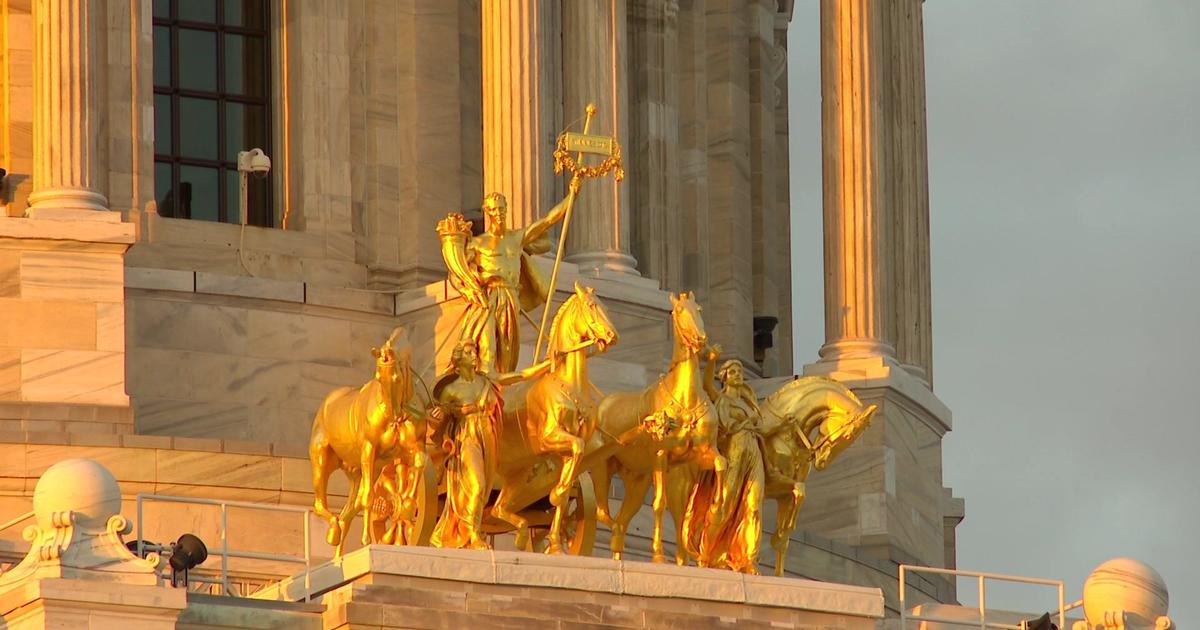
The Minnesota State Patrol, which oversees state Capitol security, said it will contract with a third party for an independent security assessment of the complex in St. Paul following a breach of the Senate chamber over the weekend and the shooting attacks on lawmakers in their homes last month.
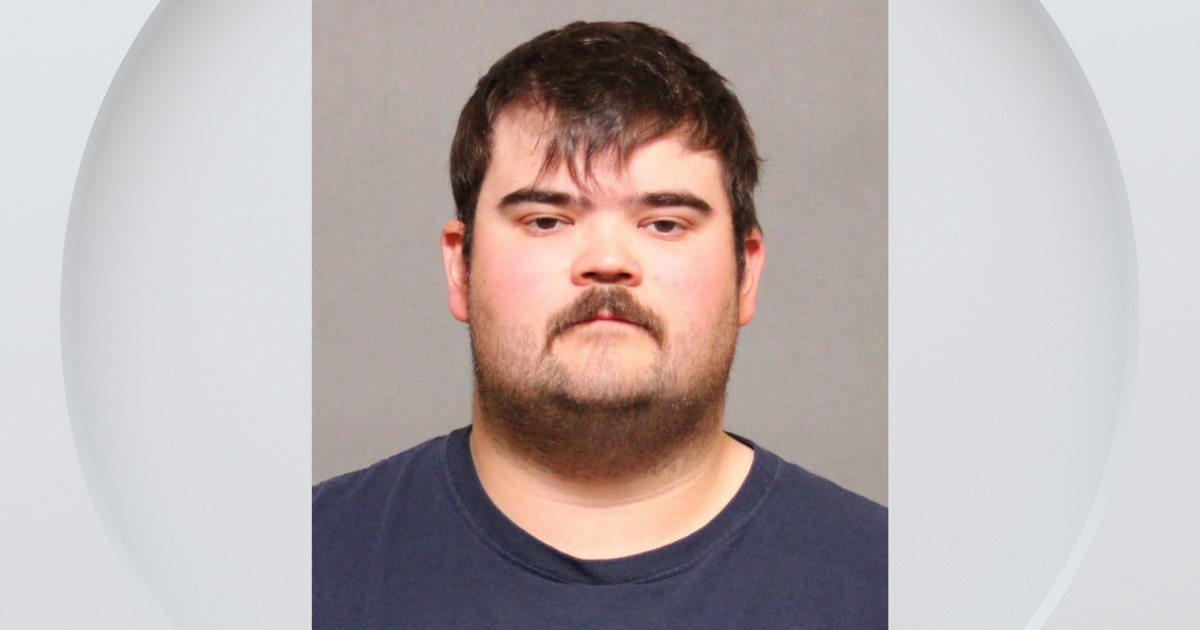
A 36-year-old man is now charged with second-degree burglary for allegedly breaking into the Minnesota Senate chamber late last Friday when the building was closed off to the public. Charging documents say he was found naked sitting in the Senate president's chair, claiming he was the governor, around 11:15 p.m.
He was caught on surveillance video earlier in the day, according to the criminal complaint filed Tuesday, and investigators believe he used a wooden edge to prop open an exterior building door so he could get back inside later that night. Anyone can enter during normal business hours and there are no security checkpoints or metal detectors required for those visitors.
Colonel Christina Bogojevic, the chief of the Minnesota State Patrol, said officers believed the man was experiencing a mental health episode and took him to a nearby hospital Friday. He then again appeared on the Capitol grounds twice on Saturday before he was arrested that evening.
There's a "comprehensive review" underway to review what happened and make any necessary changes to Capitol security protocols, she said. That's in addition to the third-party expert analysis, for which a contract is being finalized.
"This is about bringing fresh eyes and objectivity to a place that holds great meaning for Minnesotans," Bogojevic said in a news conference Tuesday.
She told reporters her agency increased staff at the Capitol building — which is part of a larger 140-acre complex that includes other state government buildings — and implemented other policy changes in wake of the killing of Rep. Melissa Hortman and her husband Mark in what authorities call a politically motivated assassination. Sen. John Hoffman and his wife Yvette were wounded and the gunman had a hit list targeting other Democratic elected officials.
"Many of these changes were already happening in the wake of June 14 lawmaker shootings, but we are now redoubling our efforts following this past weekend's incident," Bogojevic explained.
That the Capitol intruder propped open a door to get inside was "alarming," she said. But while many doors have alarms that notify security if left open for an extended period of time, the door he entered did not have that feature.
She declined to say how the man later entered the Senate chamber, citing the ongoing investigation. The chamber is usually locked and only accessible by a few, and sergeants-at-arms are out front during the legislative session.
Separately, there will be an independent after-action report looking into law enforcement's response to the June 14 attacks, said Bob Jacobsen, commissioner of the Minnesota Department of Public Safety. That is a collaboration with his agency and the Brooklyn Park police, who encountered the accused assassin at the Hortman home that night.
"What I believe that law enforcement did during the hours after and during this investigation — did admirable work in finding, investigating, finding and arresting [suspect Vance] Boelter within 43 hours from the time that those first shots were fired at Mr. Hoffman and his wife," Jacobsen said. "Can there be things that we can do to improve? Absolutely. And that's why we were asking for that independent review to take a look at the communications that have been coming through, the criticisms that have been coming through, and the successes that have been coming through."
The shootings have shattered lawmakers' sense of safety and have sparked a debate about state capitol security well before the security breach over the weekend. Some are calling for measures like metal detectors, while others fear that will limit access to Minnesotans' seat of government.
Jacobsen said that they are considering the number of public entrances to the building, but that his agency and Minnesota State Patrol want to work with "legislative partners" before making any final decisions.
A special advisory committee, which includes a bipartisan slate of lawmakers across both chambers that makes recommendations on improvements, is set to meet next month.
"We need to walk that balance between having an open capital and that security and safety that people would expect," he said.
WCCO first reported last week that the Legislature would tap into state funds in each chamber's respective budgets to help cover the costs for security upgrades at the homes of concerned lawmakers if they request the assistance.