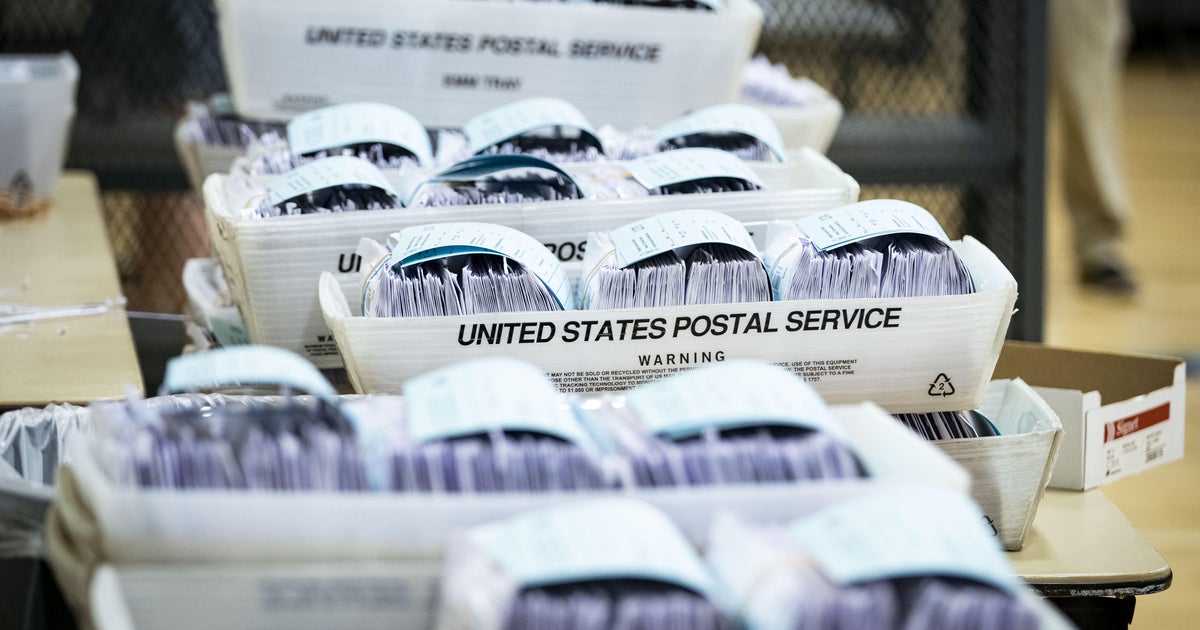
Dozens of Minnesota school districts ask voters to OK funding for operating costs, facility upgrades

School districts across Minnesota, from urban to rural communities, are asking taxpayers to approve new funding to shore up support.
There are eight dozen referendum requests before voters that include funding measures ranging from money for cybersecurity upgrades to new gymnasiums and fitness centers.
St. Paul Public Schools, the state's second largest district, is seeking an increase to the operating levy — a per student spending formula — to rake in more than $37 million in additional revenue a year to plug a hole in their budget. For taxpayers with a $289,200 home, they will see a $309 annual increase in property taxes if the measure is approved, according to a city estimate.
Shakopee, Big Lake, Owatonna and Monticello and roughly three dozen more join St. Paul with similar measures seeking that boost to help with everyday costs.
Kirk Schneidawind, executive director of the Minnesota School Boards Association, said technology and safety upgrades are two areas of need that stand out.
St. Michael-Albertville wants approval of a $21 million bond referendum to, among other things, enhance school security systems. A $60 million capital levy request in Roseville would support cybersecurity, software replacement, tech training and more.
Schneidawind added that many districts are feeling the pinch of inflation pressures, despite record funding from the Minnesota Legislature two years ago, when lawmakers also indexed the per student formula to the rate of inflation. Districts are still facing funding gaps despite that increase.
"We have felt we are behind the inflationary curve for more than 20 years. I realize you're not going to catch it up in one budget cycle, but I think many of our districts feel the need to offer high-quality programs that require investments from their local taxpayers as well as the state and federal government," he said.
Passage of school measures is not a guarantee.
Many voters reject the additional property tax hikes as they grapple with their own high costs of living. St. Paul homeowners could face a steep increase due to other city and county proposals under consideration.
Earlier this year, 46% of the 28 school questions on local ballots in the spring failed.
Schneidawind believes that without the funding boosts, school boards will be forced to make difficult decisions.
"If it doesn't pass, then they've got to look at whether it's program reductions, staffing reductions. They may have to delay in-facility updates. Whenever you do construction, it seems like it doesn't get cheaper the more you wait," he said. "So I think that is part of the reason many of our districts feel the urgency or feel the need to get these passed."
To see what's on your ballot this fall, click here.