Expert on civility in politics discusses moving forward after political violence: "We can survive this if we decide we've had enough"

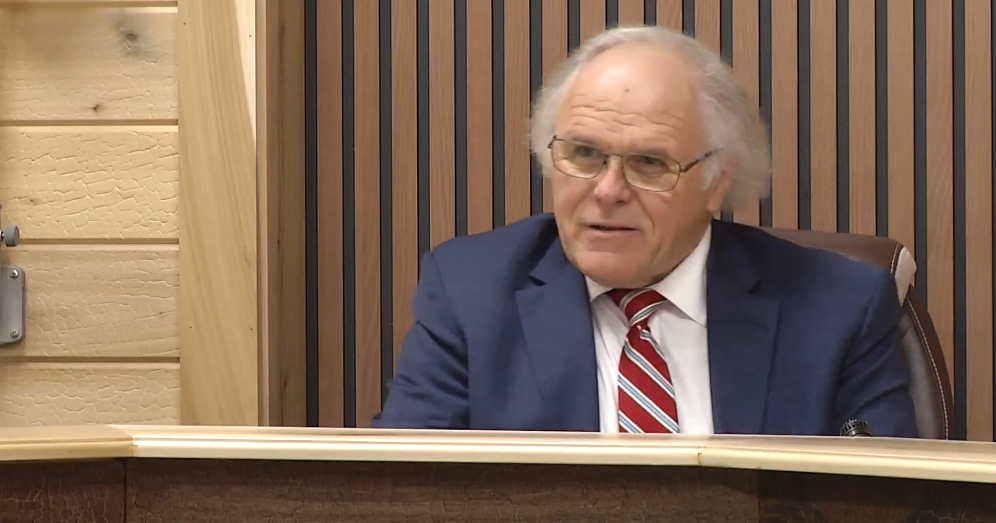
In the aftermath of the assassination of conservative activist Charlie Kirk that sent shock waves across the country, Bill Doherty is reflecting on how we got here as the country grapples with yet another act of political violence.
It comes just three months after Speaker Emerita Melissa Hortman and her husband Mark were also killed in a targeted, politically motivated attack inside their homes in June. State Sen. John Hoffman and his wife Yvette were wounded in an attempted assassination 90 minutes earlier.
Doherty is a former University of Minnesota professor of nearly four decades and now is the co-founder of "Braver Angels," a national nonprofit that looks to bridge those divides and foster civility.
The group hosts workshops across the country to bring people together and find what they share in common, instead of focusing on what divides them. It has eight local chapters across the state.
"We learned that when you create the right environment for people to listen to each other, express themselves in non-inflammatory ways, that people have more in common than they realize, and that they can lower the temperature and they can find common ground," Doherty said.
But the divides of today run deep. Doherty believes the hostility towards people with opposing views is at an all-time high.
"I'm a marriage and family therapist. I've never seen people skip Thanksgiving dinner over who they vote for. That did not happen in the '60s. We still got together for Thanksgiving, even though we were divided about the Vietnam War," Doherty said.
The 1960s were indeed a tumultuous time, marked by high-profile assassinations of President John F. Kennedy, his brother Robert Kennedy and civil rights leader Martin Luther King, Jr.
Larry Jacobs, political science professor at the University of Minnesota, said the country has a long history of "rough politics" and tragic instances where that has escalated to violence. But the rise of social media, he explained, makes this moment unique.
"What's new about today is social media and the fact that you can be anonymous and hurl these really violent attacks on people — not only 'you're my enemy and I hate you,' but 'you don't deserve to be alive,'" he said.
Doherty agrees. He said how we move forward starts with each of us condemning violent and extreme rhetoric when we see it, especially if it comes from individuals with whom you agree.
"We survived the Civil War. We survived the 60s. We can survive this if we decide we've had enough," he said.