Here's how Operation Metro Surge impacted Twin Cities police departments
Police departments in the Twin Cities are offering a look at the cost and strain brought on by Operation Metro Surge.
A new report from the Minneapolis Police Department shows 600 officers handled more than 50,000 calls in December, January and February, and the department had to extend more than 500 shifts.
"Before the surge, the department had started to make gains recruiting and trying to rebuild the ranks of the department," Minneapolis Police Chief Brian O'Hara said.
In 2025, the Minneapolis Police Department hired more than 125 people, mostly community service officers.
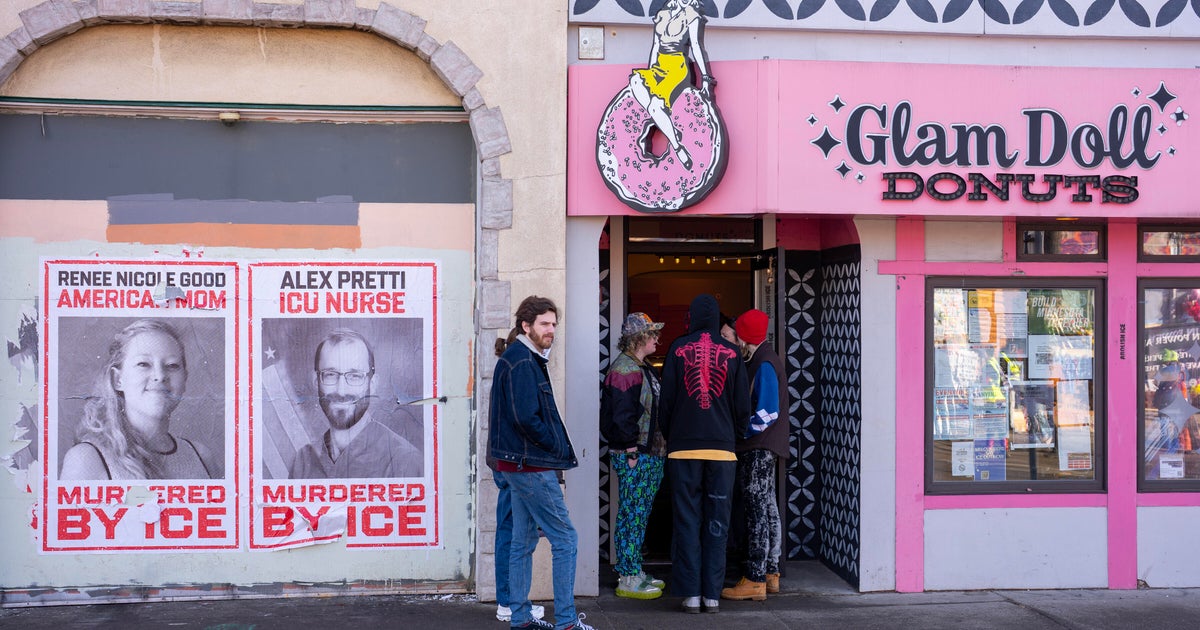
When the ICE surge started, O'Hara says it was all hands on deck.
"We were very quickly experiencing a dramatic increase in calls for service, and it was very heightened tensions in the community," said O'Hara.
The report also says nine officers were hurt and 14 cases of post-traumatic stress disorder were reported.
Eight officers retired during the surge.
The department said it spent about $5.2 million from Jan. 7 to Feb. 1.
"At least 5.2 million dollars that was spent additionally on police services the overwhelming majority of that is overtime but there are other contractional obligation that the city has so there was shift extension, change of tour there is some expense with all of that," said O'Hara.
That is double the amount of money budgeted for overtime pay for the entire year of 2026.
On top of the cost, it also took officers away from their normal jobs.
"You might see out there that crime went down during this thing, that is not true. Some crime did, other crime went up. And the problem is when you pull investigators and you pull cops out of the neighborhood because you have to do all this public order policing. We have a lot of work we have to get back to," said O'Hara.
The Minneapolis Park Police Department said it incurred about 258 hours of overtime due to the federal surge, and there were "numerous impacts to regular on-duty staffing, some of which include responding to spontaneous protests and demonstrations and participating in emergency readiness coordination."
The Metro Transit Police Department told WCCO "patrol operations continued as normal throughout Operation Metro Surge."
The Bloomington Police Department spent about $35,000 on overtime during the surge, according to Chief Booker Hodges. Those costs mainly came from responding to protests and patrolling hotels. He said the period was "taxing" on his staff.