Minnesota Legislature to consider bills banning prediction markets
Minnesota lawmakers are looking at a bill to end prediction markets.
It's a topic getting national attention now as some are placing bets on the war in Iran, the outcome of elections and awards for your favorite artists.
The Minnesota Legislature is considering banning it altogether.
On Thursday, both the House and Senate will look at companion bills in committee that would make prediction markets like Polymarket illegal. Both bills have bipartisan support.
The bills aim to close what supporters call a gambling law loophole, allowing for these prediction markets to flourish with no regulations.
This measure would prohibit placing bets on these platforms on things like sports, the weather, the outcome of a court proceeding, events in popular culture, the potential for war or mass casualty event or actions lawmakers at the state and federal level may or may not take.
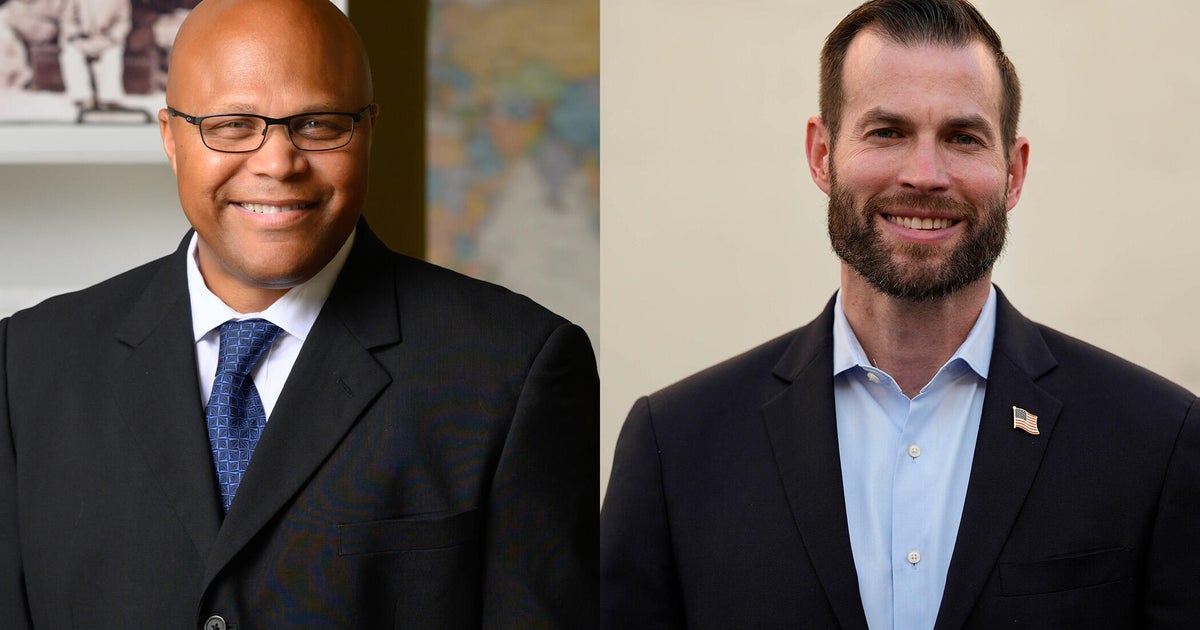
"It's unregulated betting in Minnesota law. As I said, I think it's urgent, because we're finding out that it's growing so fast, and every form of regulated gambling in Minnesota is saying, 'Wait a minute, this is — we have to follow these regulations. They're just coming in and doing this,'" DFL Sen. John Marty said.
While the bills have support from both sides of the aisle, some say prediction markets would actually be a "game changer" for sports betting.
Sports betting is legal in 40 states, but not Minnesota. Some think prediction markets could be the loophole needed to get sports betting through.
"Well, we're hoping people will take into account the fact that in the last year, the federal government's made some rulings that essentially allow prediction markets to, they claim, make sports betting legal in Minnesota. That's a matter of some litigation around the country, but if we accept that sports betting is now being allowed in Minnesota, I think many people feel the better path is to regulate it," DFL Sen. Nick Frenz said.
The House will tackle this bill in the House Commerce Committee at 8:15 a.m. It will also be seen in the Senate State and Local Government Committee at 12:30 p.m.