Minnesota lawmakers introduce changes to conversion therapy ban law in wake of U.S. Supreme Court ruling

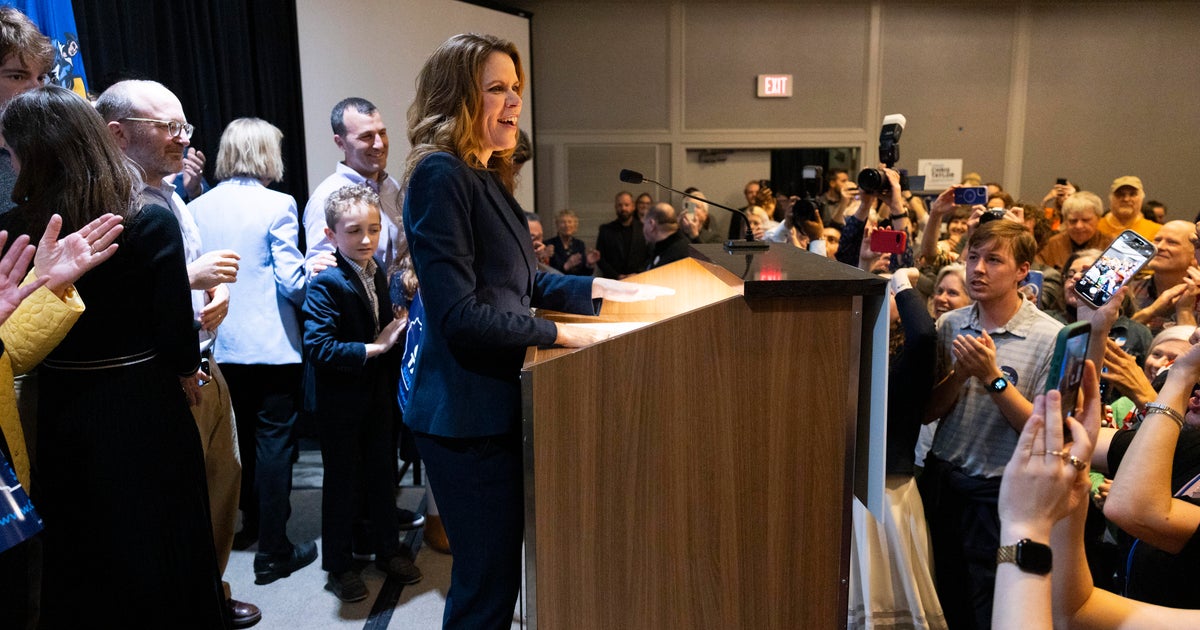
DFL lawmakers in the Minnesota Senate on Wednesday advanced proposals updating the state's laws banning conversion therapy for LGBTQ people after a U.S. Supreme Court decision last week could open the door to legal challenges.
At the center of that case was a counselor who challenged a similar Colorado law outlawing the practice, which attempts to change a person's sexual orientation or gender identity. The American Psychological Association calls it both unethical and ineffective.
In an 8-1 decision, the court found the ban regulates speech based on viewpoint and sent the case back to a lower appeals court to reassess its ruling using strict scrutiny, the highest standard of judicial review for issues related to the First Amendment.
Two bills discussed in a Minnesota Senate committee on Wednesday were drafted prior to the ruling, which does not immediately strike down Minnesota's law. But lawmakers added an amendment in response to the decision to align with its determinations about free speech protections in therapy settings. The changes would add language to Minnesota's law stating that nothing is meant to "restrict a mental health professional's ability to express any particular viewpoints or engage in discussion" so long as counselors or therapists don't engage in certain coercive tactics.
"The bill as amended strikes a balance to respect the Constitution, the integrity of the profession, protects vulnerable people and young people and ensures that they are bringing their own authentic voice and own agency and own goals to that therapy," said Sen. Scott Dibble, DFL-Minneapolis, who authored that legislation.
The bill also creates a pathway for people to sue if they were harmed by conversion therapy as children and a separate measure prevents insurers from covering such a practice.
Opponents of the conversion therapy ban argued the changes discussed Wednesday still run afoul of the Supreme Court's decision and undermine First Amendment protections.
"It is an end run around [Chiles v. Salazar], placing a burden on speech with which it disagrees, intending to drive certain counselors out of the insurance marketplace based on viewpoints," said Renee Carlson, general counsel for True North Legal.
Three years ago, Minnesota joined 20 other states by passing a conversion therapy ban. It received bipartisan support in both chambers. Dibble said the bills this year provide further clarification about what does and doesn't qualify as conversion therapy.
"This actually responds to not only the Supreme Court's ruling of a week or so ago but also of the objections that were raised by members who are in this room when we passed the conversion therapy ban in 2023," he told the committee.
The proposals advanced to another Senate panel for further discussion. It's unclear their future in the tied Minnesota House, where Republicans and Democrats share power.