Court observers continue to be locked out of Minneapolis immigration courtrooms

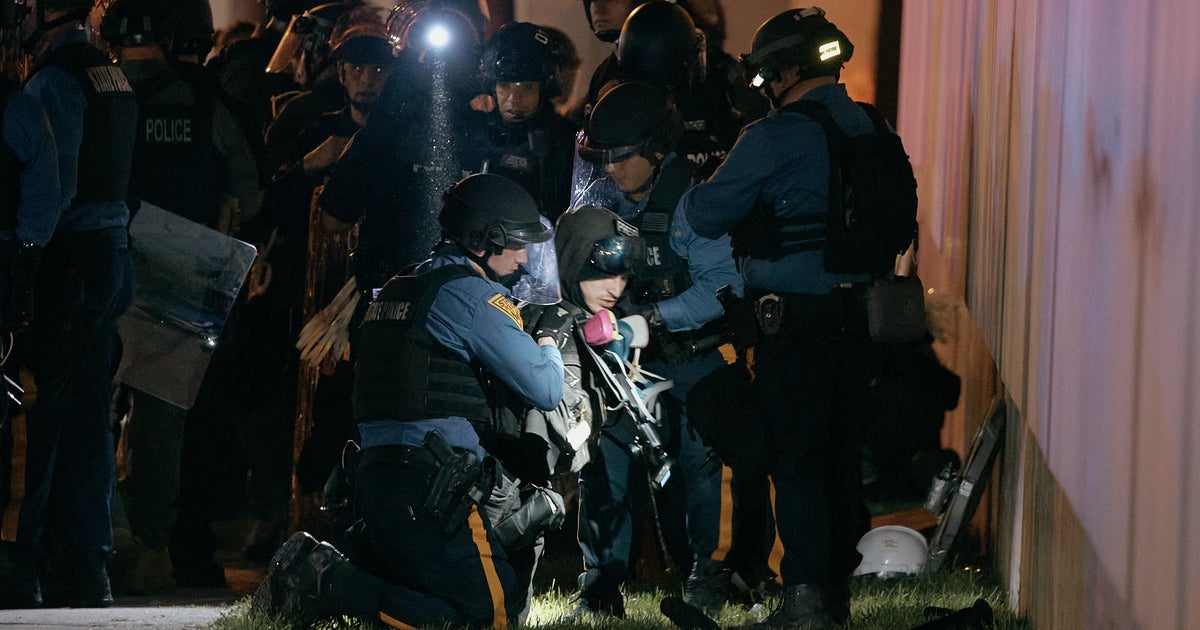
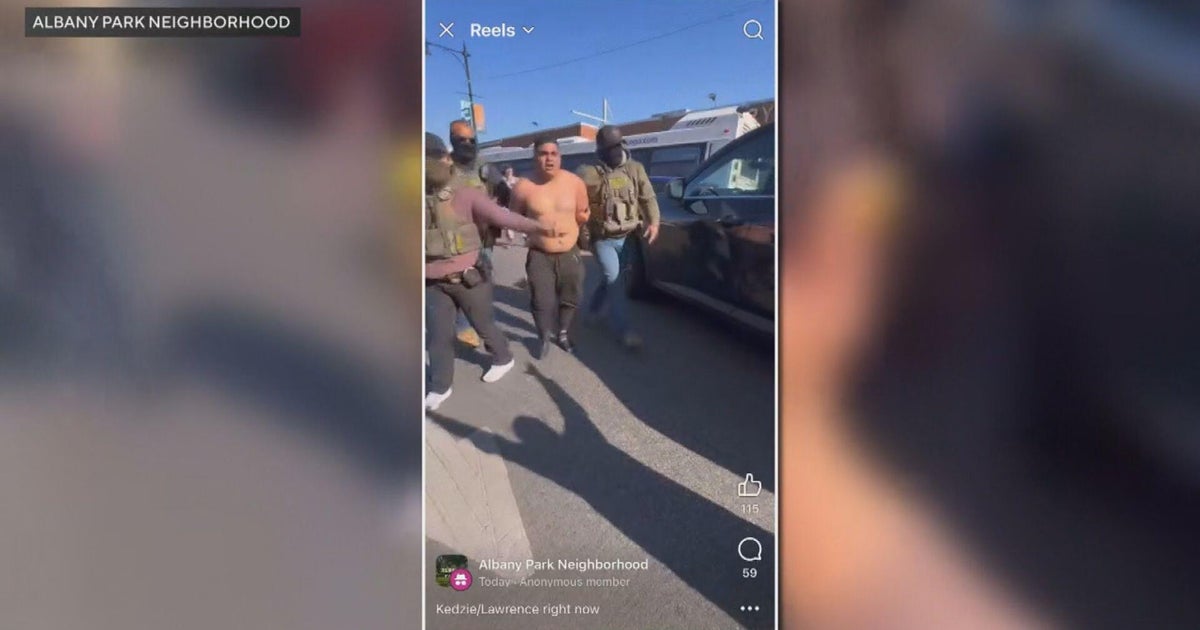
Nearly 3,000 federal agents are now operating in Minnesota in what the U.S. Department of Homeland Security calls the "largest DHS operation in history." Officials say those agents have arrested around 2,500 people so far.
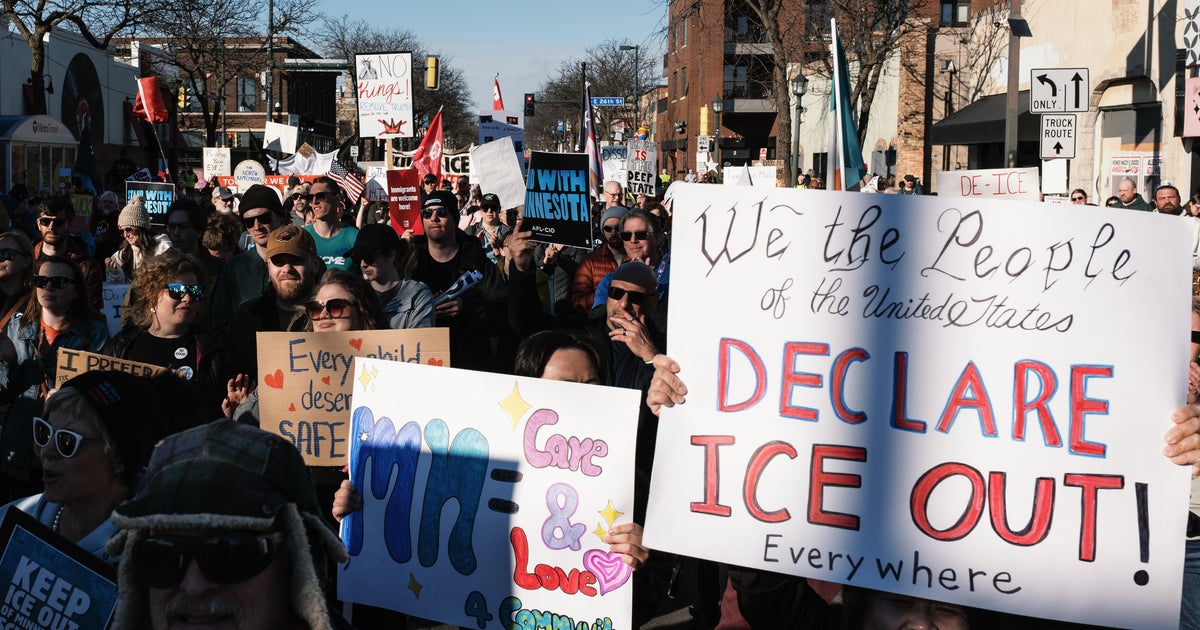
Outside the Bishop Henry Whipple Federal Building in Minneapolis, protests continue. Advocates say what's happening inside the courtrooms is also alarming.
A group of Minnesotans makes it their job to watch what happens. Known as court observers, they're a team dedicated to watching, listening and documenting.
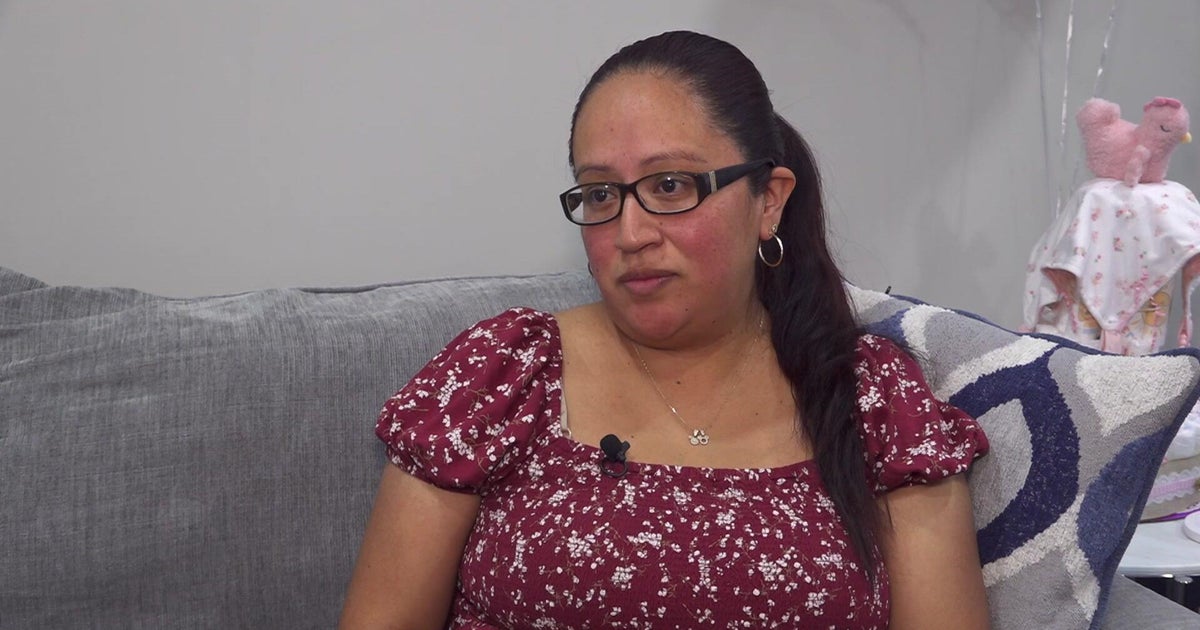
Madeline Lohman is the advocacy director at The Advocates of Human Rights. She oversees court observers inside immigration courtrooms.
Their job is simple: monitor hearings like asylum claims and removal orders, providing a record of what happens.
"Courts are one of the places where people are supposed to access justice," Lohman said.
The group has conducted court monitoring since 2017. Observers typically sit in the back of the courtroom, notebook and pen in hand, documenting how the hearing is unfolding and how the individual is treated during the proceeding. But advocates say this year has been the most challenging.
Lohman says since early 2025, access to court proceedings were limited; even, at times, doors were locked.
"They've spent really a lot of time in this administration to hide what they are doing to make it difficult to document," she said.
Lohman says when observers are granted access, they've seen injustices happening like people being denied to argue their case. Other times, names and complete case numbers are removed, making it tough for observers to identify the person and follow the case.
That limitation is the reason why a demand letter from attorneys was sent to the courts Friday, putting them on notice.
Lohman said this week, observers were allowed inside the courtroom. But access to the lobby is still being denied — a space where Lohman says observers have witnessed people get handcuffed almost immediately after walking out of the courtroom.
"We are making sure everyone involved knows what the legal obligation is and follow through on it," Lohman said.
According to a fact sheet on the U.S. Department of Justice's website, immigration courts are open to the public with limited exceptions. That includes if the judge grants a party's motion to close the hearing or if the judge decides to limit attendance.
WCCO did reach out to the immigration court system for comment on these claims.