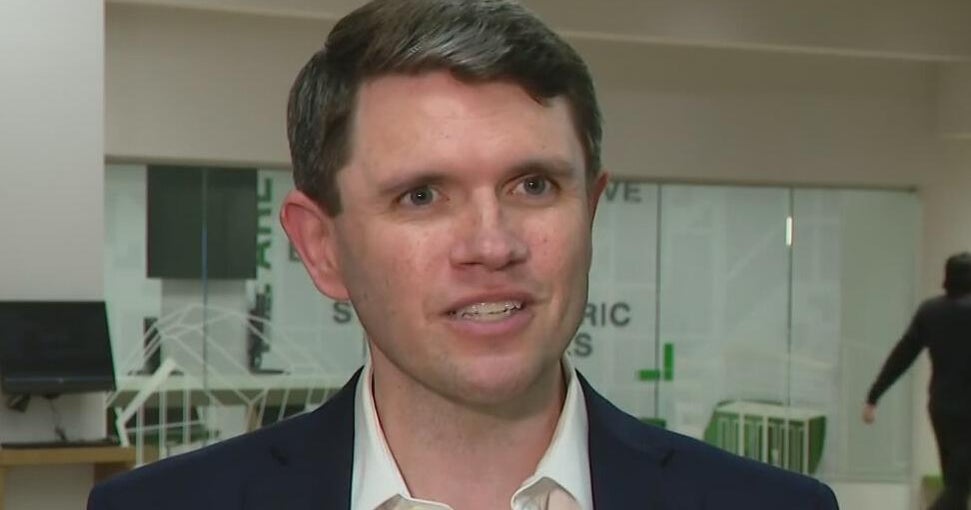
Matt Pelikan: 2018 Election Guide
Welcome to WCCO.com's 2018 political guide!
We reached out to all Minnesota candidates running for U.S Senate, Governor, U.S Congress, Attorney General, Secretary of State and State Auditor this fall. Candidates were asked to provide a two-minute video discussing their platform as well as answer a set of our viewer's questions.
Above is the video and below the answers Matt Pelikan provided. This is not a paid advertisement nor does WCCO endorse any candidate.
Responses from Matt Pelikan, DFL candidate for Attorney General:
Should Minnesota cities be allowed to declare themselves "sanctuary cities" and decline to cooperate with federal officials to enforce immigration laws?
Yes. Americans have been appalled to see the devastating images of families ripped apart. Immigration enforcement in this country has come to resemble an authoritarian nightmare. It does not reflect our values or who we need to be as a state or country. Here in Minnesota, we
believe our diversity is a strength and our community is made better by the immigrants who
come here.
In many instances, local governments are best suited to understand the needs and priorities for community safety and law enforcement. Deprioritizing immigration enforcement is an important way for cities to manage their law enforcement resources and promote safety for their communities. When immigrant communities fear excessive enforcement, it can destroy the relationship with law enforcement, deter reporting of crimes, and inhibit investigations.
As Attorney General, I will support Minnesota cities who decide the best way to promote our values and our safety is to de-prioritize immigration enforcement. We must protect all Minnesotans--including our immigrant communities
There is an an effort by state attorneys general to sue pharmaceutical companies for their role in helping create the opioid crisis in America and Minnesota. Will you support those efforts by filing a lawsuit on behalf of Minnesota?
Yes. Holding pharmaceutical companies accountable for their role in the opioid epidemic is a critical issue that I've highlighted from the beginning of my campaign. When I am Attorney General, we will go after the companies that have been flooding our communities with opioids. In addition, I will partner with other offices already working on curbing this epidemic, and ensure that those who are profiting from this crisis help to foot the bill for the tremendous financial cost the epidemic is inflicting on Minnesota.
As we discuss the critical work of addressing the opioid epidemic, we must always remember that solutions to the crisis should not focus on criminalizing pain treatment, but on holding accountable suppliers, manufacturers, and dealers. It wasn't until the last few weeks--years into an epidemic that is devastating countless lives--that Minnesota finally brought its own suit against opioid manufacturers. I will not only continue this
suit but pursue justice for Minnesotans aggressively and proactively.
I want to also mention that the Attorney General's office has been reduced in size by as much as 30 percent. One of my top priorities will be to restore the office's staffing to sufficient levels that we can be as effective and aggressive as possible in responding to the opioid crisis and many other critical issues facing Minnesotans.
Should the penalty for certain violent crimes in Minnesota be the death penalty?
No. Nothing can undo the the pain, loss, and trauma that egregious violent crime can cause. But using the state to perpetuate the cycle of violence is the wrong approach and studies have shown it has no effect on deterring future crimes. More importantly, while our justice system will
never be perfect, there are far too many inequities, biases, and outright mistakes for our justice system to make the ultimate judgment as to life and death. We are witnessing a two-tiered justice system where those with access to money have demonstrably better outcomes than those who have fewer resources and our criminal justice system is beset by racial bias. We must hold criminals accountable, but given the systemic problems and overall moral reservations, I simply cannot support the death penalty.
Should Minnesota release non-violent drug offenders currently serving Minnesota prison terms?
Yes. The war on drugs has failed. While I am glad to see growing support for marijuana legalization, we cannot lose focus on the thousands of non-violent drug offenders currently serving prison terms or living with the a criminal record.
Minnesota has one of the lowest prison populations in the country, but between 2000 and 2013 our rate of incarceration increased by 42 percent.
Our criminal justice system is also marred by systemic racial bias, especially affecting African Americans and Native Americans. This disparate impact leads to different outcomes from policing, higher incarceration rates, and fewer options for individuals after incarceration.
Many of these poor and biased outcomes arise from America's ill-conceived and failed drug war, practices that fail to account for underlying, intersectional problems including poverty, substance abuse, and systemic discrimination. In turn, these policies have led to plummeting
trust between police and the communities they serve.
This includes getting smarter on how we treat substance abuse and looking at rehabilitation for
nonviolent crimes. We must focus on rehabilitation and treatment programs.