ICE officer Christian Castro pleads not guilty to lying to FBI about Minneapolis shooting of Venezuelan man
An immigration officer pleaded not guilty Friday to federal charges that he lied to the FBI about being attacked before he shot and wounded a Venezuelan man during the immigration crackdown in Minneapolis early this year.
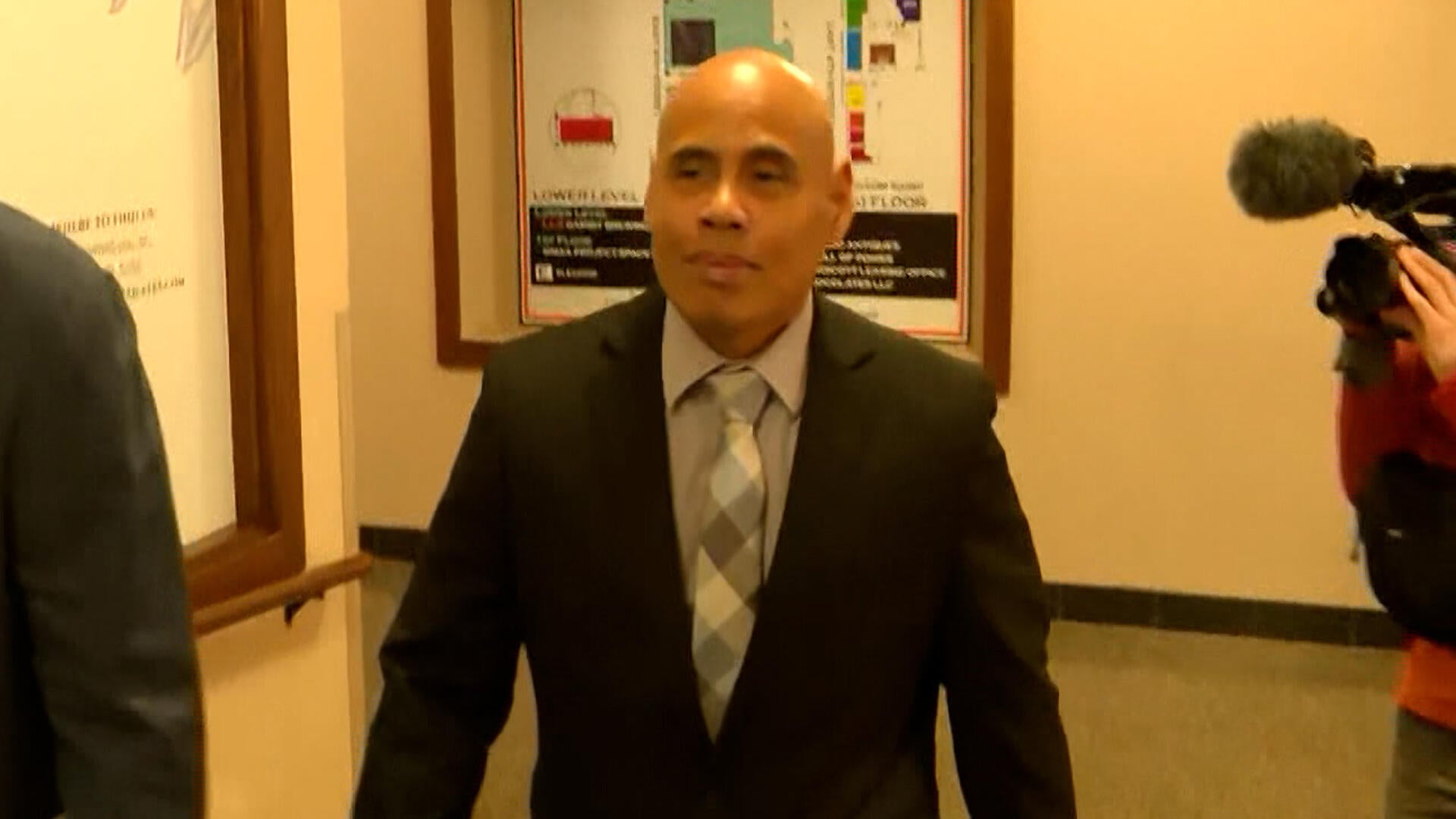
Immigration and Customs Enforcement officer Christian Castro appeared before U.S. Magistrate Judge Elizabeth Wright in St. Paul wearing a dark suit, with an attorney beside him, after prosecutors indicted him this month on six federal counts of making false statements about the Jan. 14 shooting of Julio Cesar Sosa-Celis.
During the roughly 20-minute hearing, Wright went over the conditions of Castro's release while he awaits trial. He will surrender his gun and passport, and the only travel he is allowed is to southern Texas and Minnesota. He is barred from contacting any victim or witness in the case. Wright told the two sides she wants a case schedule by Oct. 2.
Castro's federal hearing came a day after he appeared in state court on assault charges and was released from custody.
One of Castro's attorneys, David Lindenmuth, said after the hearing that the case is complex and that the defense will need time to retain experts and prepare. He said little is known about his client because Castro has not had a chance to speak, and he said Castro is an Army veteran.
"We firmly believe in Mr. Castro's innocence and the charges against him, and we are going to fight these tooth and nail, and we do expect to have a 'not guilty' verdict," Lindenmuth said.
Lindenmuth said his client had spent his adult life in military and law enforcement service and deserves the presumption of innocence. "Give the guy a chance, he's earned it," Lindenmuth said. He also said Castro has shown he will appear and face the charges.
Activists gathered after the hearing to call for justice for Sosa-Celis and others shot by federal officers during Operation Metro Surge. Speakers said Sosa-Celis is a name most Minnesotans do not know, said the day's message was that no one in the country is above the law, and said the night of the shooting is a reminder of the reality they live in.
The court proceedings followed months of legal and political battles over whether Castro, 52, would be extradited from his home state of Texas to face charges in Minnesota. He ended up returning on his own after being freed from a Texas jail last month.
In both the federal and state cases against Castro, prosecutors say he shot 24-year-old Sosa-Celis in the leg while firing a single shot through the front door of a Minneapolis duplex. They say Castro later lied to investigators when he told them he had been attacked with a broom handle and a snow shovel before firing his gun.
Sosa-Celis was originally charged with assaulting Castro. Those charges have since been dropped.
Minnesota prosecutors charged him in May, but were thwarted in their efforts to extradite Castro from his home state of Texas, where he had been arrested.
After Minnesota officials sounded alarms that Castro might flee across the U.S.-Mexico border after being released from a Texas jail, he instead turned himself in to federal authorities when he was indicted separately in U.S. District Court earlier this month.
It's the first Justice Department prosecution of a federal officer for actions taken during this year's massive Operation Metro Surge, which brought thousands of agents to the Twin Cities and led to sweeping protests, arrests and the fatal shootings of two U.S. citizens by federal officers.
Castro was released on a $75,000 bond and ordered to wear a GPS ankle monitor when he appeared previously before a federal judge in Texas.
The U.S. Department of Homeland Security has suspended Castro without pay while he faces criminal charges.
Minnesota authorities have battled President Donald Trump's administration over who should handle any charges against Castro. The Department of Homeland Security has called Minnesota's prosecution of Castro "unlawful and nothing more than a political stunt," saying only federal authorities have jurisdiction.
Authorities, including Minnesota's Bureau of Criminal Apprehension, arrested Castro in Cameron County, Texas, on May 29, after a Minnesota judge issued a nationwide warrant.
Under Texas law, Castro could be detained for 90 days, during which Minnesota sought his extradition. But Texas Republican Gov. Greg Abbott last month refused to sign an extradition warrant.