Hennepin County ends practice of non-public safety traffic stops: "I believe it can save lives"
The largest county in Minnesota will no longer prosecute most felony cases that come from low-level traffic stops.
The days of being stopped in Hennepin County for a broken tail light, having something dangling from your mirror or not having vehicle tabs will soon come to an end, with prosecutors saying it's an effort to end the disproportionate targeting of minorities.
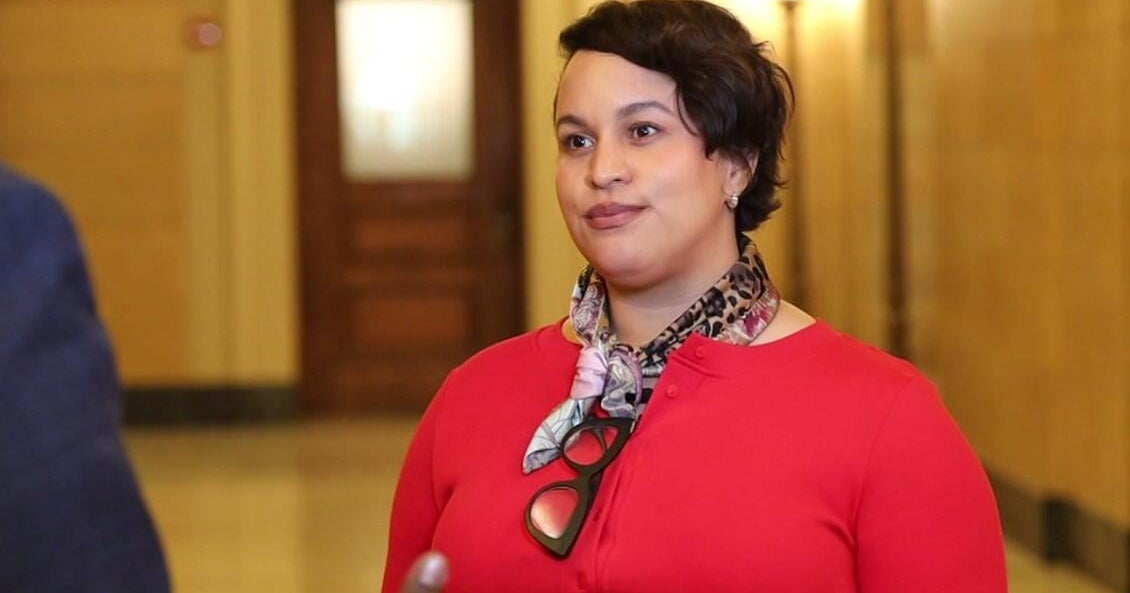
Hennepin County Attorney Mary Moriarty said these stops just don't work and don't help with public safety.
"According to MPD data, equipment and moving violations from 2017 and 2018, a gun was recovered in less than half of 1% of the stops," Moriarty said.
That's a gun recovery failure rate of 99.5%. Moriarty says the new policy allows an already stretched police department to focus on saving lives.
"We want the police to spend their time and resources addressing dangerous driving, speeding, distracted driving, driving under the influence," she said.
Valerie Castile's son, Philando Castile, was shot and killed during a traffic stop in 2016.
"An 89-cent bulb is why my son was killed," said Valerie Castile.
She worked with the Ramsey County Attorney's Office to help put a similar policy in place.
"This policy actually works," said Ramsey County Attorney John Choi. "It delivers on a better version of justice, a better version of policing and a better version of justice for all."
But the state's police union says this new policy is a slap in the face of law-abiding Minnesotans. In a statement, the Minnesota Police and Peace Officers Association said in part, "Guns, drugs and fugitives discovered during traffic stops will now walk free, while officers are left powerless to act."
But for some in communities impacted by pretext stops, this policy change is long overdue.
"I believe it can save lives," said Nekima Levy Armstrong, civil rights attorney with Racial Justice Network. "I believe that it will reduce trauma in our community."
Moriarty said the policy aligns with the non-public safety traffic stop provision that were agreed to by the city of Minneapolis in both the federal and state consent decrees.
The new policy takes effect on Oct. 15.