Bill would scale back Minnesota's universal free school meals program, implementing new income caps

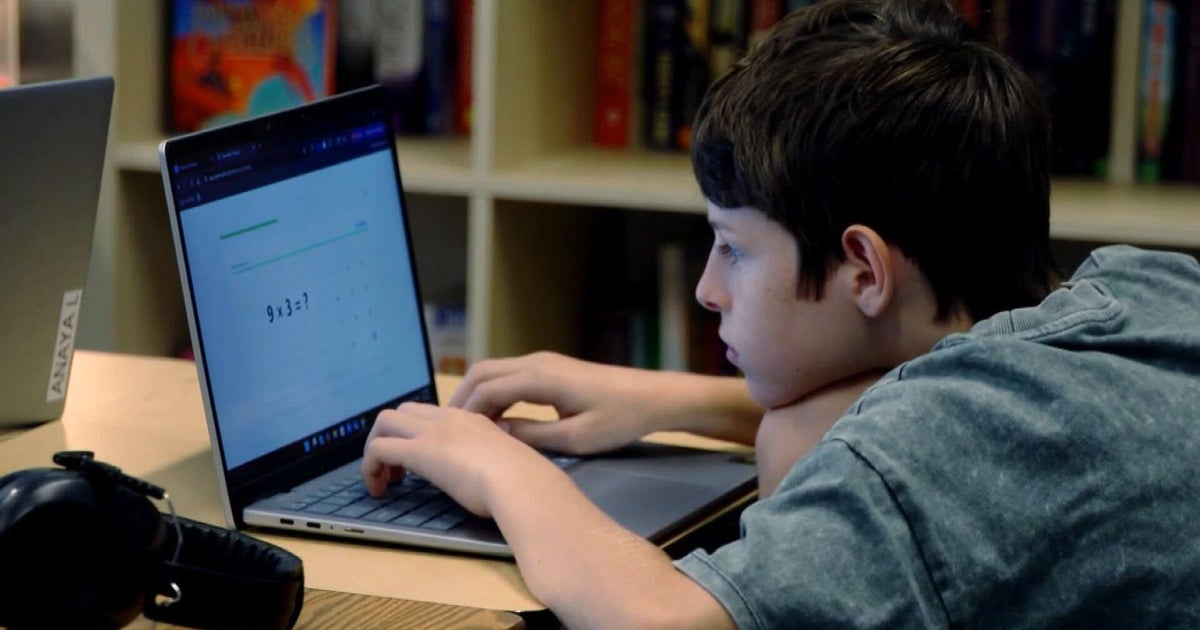
A proposal in the Minnesota Legislature would implement new income caps to determine eligibility for the universal meals program, which provides free school breakfast and lunch for all students regardless of their families' incomes.
To qualify under the revamped plan, breakfast would remain at no cost for all. But free lunch would be restricted to students whose families are at or below 500% of the federal poverty guidelines, which is $156,000 for a family of four.
The goal is to free up funding and send it back to schools to use in other ways at a time when districts large and small are facing budget shortfalls and will have to make cuts.
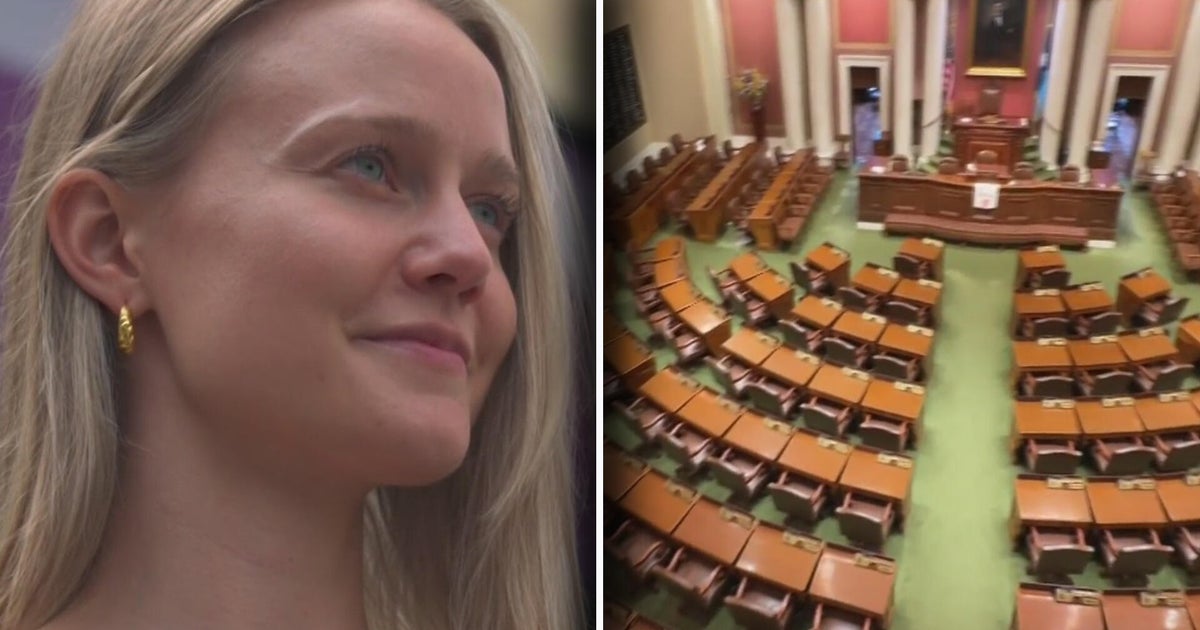
"We can't sit idly by and let education funding go the way it is right now," bill sponsor Rep. Andrew Myers, R-Tonka Bay, said during a committee hearing Tuesday. "We have to do something."
Schools served 150 million meals last academic year, saving families an estimated $1,000 per student.
The program faces a big price tag, but Democrats say keeping it afloat is an important priority. Gov. Tim Walz's spending proposal also pitches fully funding it to the tune of over $600 million for both meals over the next two years, according to his budget documents.
They point to its popularity and believe providing meals at school to ensure no child is hungry is fundamental, and should be held harmless as the legislature looks at its own budget cuts to stave off a potential deficit on the horizon.
"I'm glad that we're having this discussion because we will end up making some tough decisions. I don't think we need to make it in the lunchroom with our children," said Rep. Cheryl Youakim, DFL-Hopkins.
Myers said the meal program changes would save $170 million and redirect it back to schools to use as they see fit.
Schools in the Twin Cities metro area — which enrolls more than half of the public school children in the state — are facing a cumulative $280 million in budget gaps, according to the Association of Metropolitan School Districts.
Dan Olson, treasurer of the Minnetonka School Board, testified that his district has laid off 90 teachers and education support staff.
"I sincerely believe that kids can't learn well if they're hungry, but laying off dozens of teachers in paras hurts kids as well," he told the committee. "I personally identify as a progressive DFLer, but I believe the work you all do, and the work we do as a school board, is rooted in compromise. I see House File 2201 as a patently reasonable compromise that lives up to the spirit of free school meals for kids, while also freeing up state resources to benefit those same kids in the classroom."
Due to Democrats' opposition, it's unlikely that the proposal will be a part of the next two-year state budget since both sides will have to find compromise on where to save and where to spend a finite amount of additional resources. But the legislation is eligible for end-of-session negotiations.
Under the budget framework by House GOP and DFL leaders in the tied chamber, education has a $40 million target over baseline funding for the next fiscal year and no additional money earmarked for the second year of the biennium.
The Senate DFL doesn't allocate any more dollars next biennium and estimates reducing education funding by more $600 million in future years.