Do body cameras improve policing?

According to the Police Executive Research Firm, 82% of police departments in the United States equip officers with body cameras. That number comes from 2023, meaning it could be even higher by now.
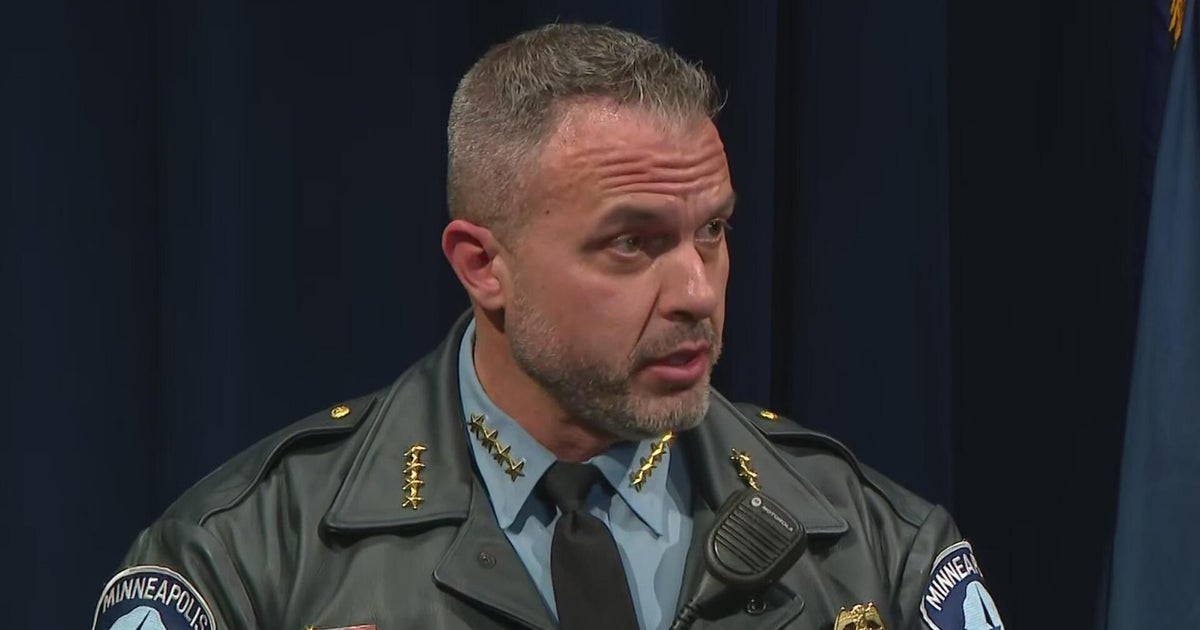
"It's kind of a gamechanger in what is expected of us from the public," said Deputy Chief Damon Bitney of the Bloomington Police Department.
Bitney says his department has used body cameras since 2019.
"We're able to use our own videos to assist in training our officers. Things that went really well, things that we can improve upon. And so, those are the things I think when it's used correctly, meaning the tool, body cams or dash cameras, they're invaluable," Bitney said.
Using the recordings to train officers could improve policing, but the main word often associated with why cameras are used is "accountability."
"When people talk about accountability, what they're basically asking, or at least how we interpret is, 'Are you trying to hide anything?' And our position is we're not," Bitney said
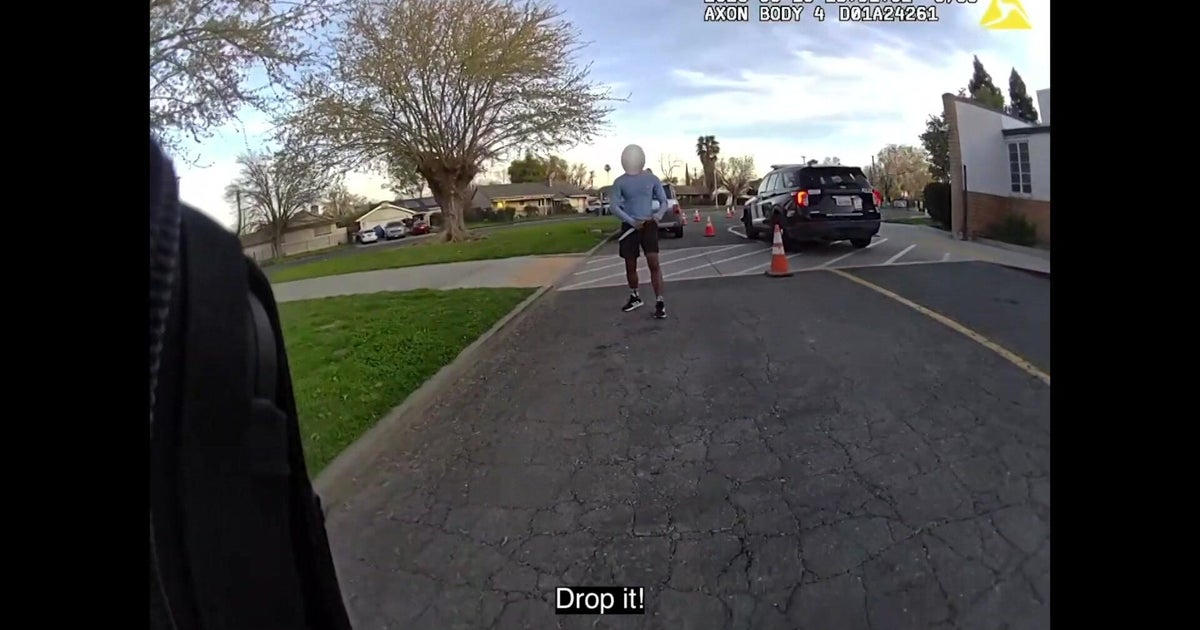
The little lens can be an objective witness, watching and hearing police interactions to potentially spot misconduct or prevent it by changing an officer's behavior.
So, have the cameras improved policing in that way? The answer is unclear.
In 2022, the Department of Justice reviewed 70 studies on body-worn cameras. The analysis found inconsistent or no statistically significant effects from the cameras when it comes to use-of-force, assaults on officers, arrests, traffic stops and tickets and field interviews.
That blanket statement, however, would be unfair to the departments that did see a difference from using cameras.
Studies done for Boston PD in Massachusetts, Las Vegas PD in Nevada and Rialto PD in California all cited a drop in citizen complaints and use-of-force reports once body cameras were adopted. In fact, a University of Chicago analysis found that departments using bodycams saw a 10% drop in all use-of-force encounters.
While the results on policing appear mixed, the ability of cameras to gather evidence remains a vital tool.
"I think that's some of the good stuff is it just shows an overall picture of kind of what happened at an incident or a scene," Bitney said.
He did mention that body cams have deficiencies. One is their limited field of view and hearing. While an officer can turn their head in different directions and see things at greater distances, the body cam only shows what is directly in front of the officer's chest.
"If I move my head to the left or the right, it's not picking those things up. It might not see what I see. And because of different noises, it's trying to pick up as much as it can, it might not hear other things that I hear," Bitney said.
A 2021 survey found that more than 100 police departments in Minnesota use body cameras. Burnsville became the first city to adopt the technology in 2010.