DFL lawmakers call for ICE to stay out of Minnesota hospitals

A dozen DFL lawmakers are calling for change after reports of federal officers getting into hospitals and detaining patients.
Jeremy Olson is second vice president with the Minnesota Nurses Association and a registered nurse at Hennepin Healthcare.
"The last month or so has been a lot more anxiety-driven," Olson said.
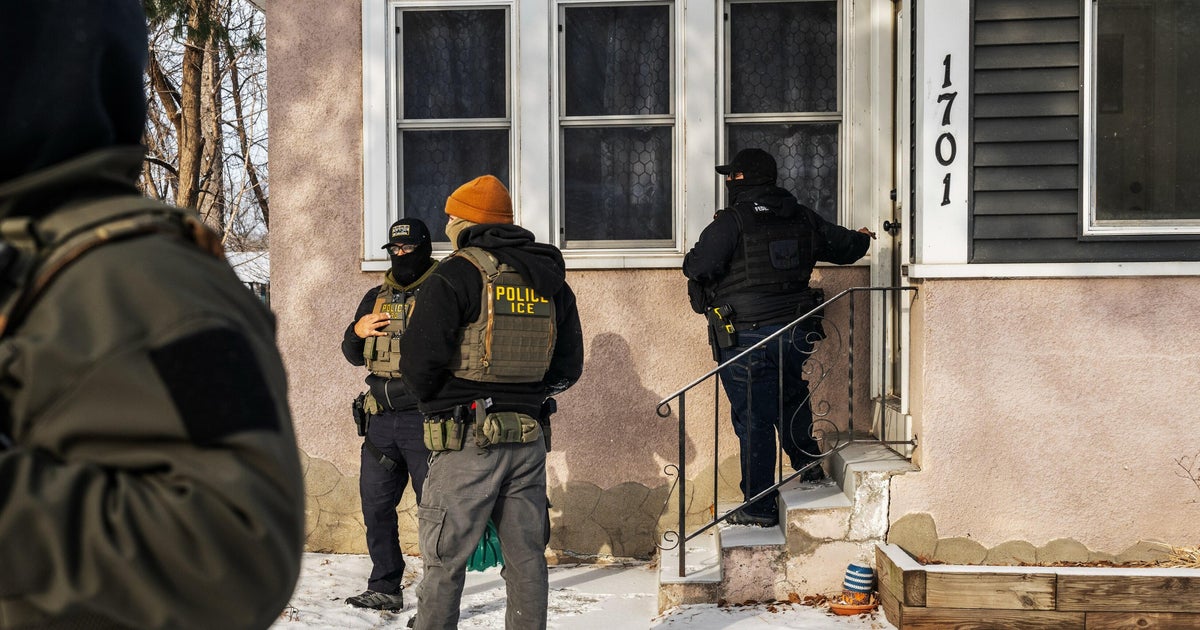
Olson says that anxiety is driven by recent reports of Immigration and Customs Enforcement at Minnesota hospitals like his.
"Politics should not be right at the bedside," Olson said.
Last week, health care workers and community organizers expressed outrage after Unidos MN reported that ICE was allowed to stay at a patient's bedside for more than 24 hours and alleged a patient was handcuffed to a bed, all without a judicial warrant.
A spokesperson for Hennepin Healthcare acknowledged the incident, saying the federal agents left after they were asked for documentation.
Now, a dozen DFL lawmakers — including nurse and state Sen. Liz Boldon — are calling for change.
"As someone who takes care of patients in the hospital, I want my patients to feel and be safe," Boldon said.
She says even the potential presence of ICE is a barrier to patients receiving care.
"Detaining and really targeting, going after people who are quite ill," Boldon said. "There's one example of a gentleman with a rare genetic disorder."
Janna Gewirtz O'Brien is president-elect of the Minnesota American Academy of Pediatrics. She says fear of going to the doctor has led to a rash of appendicitis that should have been treated earlier.
"There is a crisis among our Latina and Somali families," she said. "People have been delaying care because of fear that ICE is going to show up at the hospital."
Those dozen lawmakers are now asking Minnesota hospitals for clear and proactive policies regarding ICE.
"I would like to see hospitals' clear policies and to be having these discussions around what is in the best interest of the patient," Boldon said.
A spokesperson for the Minnesota Hospital Association says there are protocols in place for how hospitals manage law enforcement being present in health care settings.
"Hospitals provide medically appropriate care regardless of citizenship or legal status, as required by federal and state law. That has not changed," a spokesperson for the Minnesota Hospital Association wrote. "When law-enforcement agencies are present in health care settings, hospitals manage those interactions through established, security-led, and legally informed protocols designed to protect patient care and privacy, staff safety, and the stability of the care environment."