Pop-up blockades on Minneapolis streets could hamper emergency response times, fire chief warns

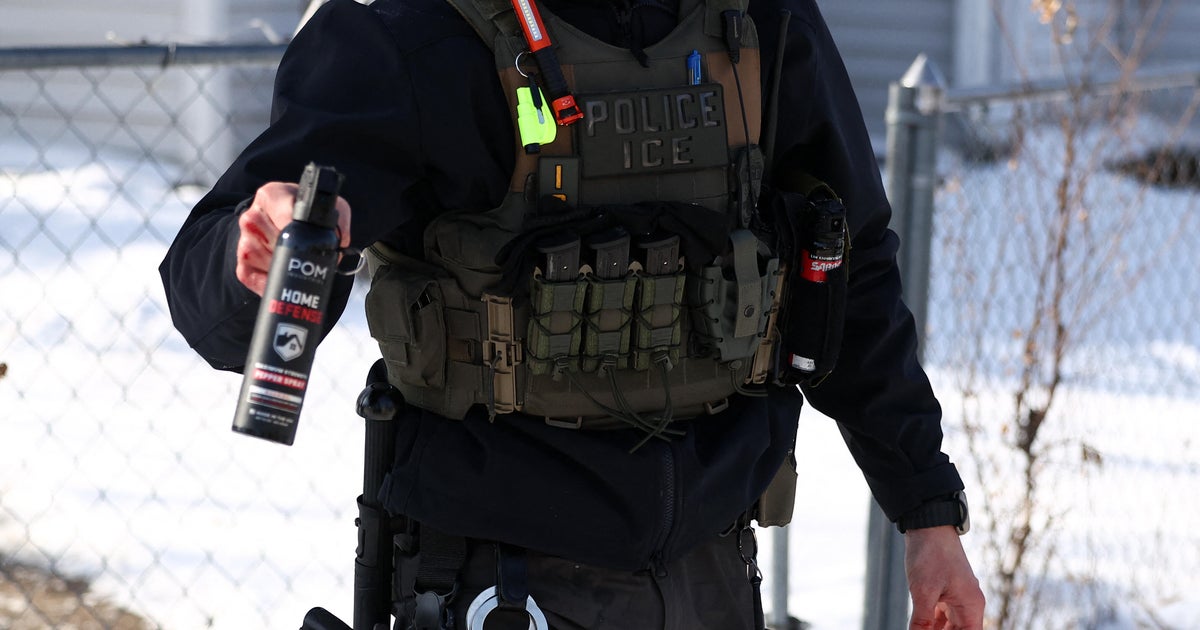
On weekends, neighbors have been gathering at intersections, some slowing traffic, others blocking streets entirely, as part of a grassroots effort to watch for federal immigration agents.
"Having driven through there, it was a little chaotic. And I don't think it was the best use or best strategy, I would say. But I obviously understand the goal, I think is to slow traffic down," said Luke Anderson, of Minneapolis.
Anderson says he understands why his neighbors want to protect each other, but worries about unintended consequences.
"Heaven forbid that a loved one has a medical emergency and there's some delay in care, in getting there, from an ambulance. That would be awful," Anderson said.
Those concerns are echoed by the Minneapolis Fire Department, which says the pop-up nature of the blockades makes emergency response especially difficult.
"They're not just people; there are actually physical items within the roadway, and they are a concern because they block access to emergency vehicles," said Melanie Rucker, interim Minneapolis fire chief.
Rucker says fire trucks and ambulances often don't know a street is blocked until they come upon it, forcing them to back up or reroute.
"That is going to slow us down, it's going to delay the response," said Rucker.
She adds that other neighbors are the ones calling in complaints, worried about access to their homes and emergency care.
"It's nothing about the political environment that's going on. It's about safety and making sure that those roads are clear," said Rucker.
State law makes it a misdemeanor to block a public right-of-way, but organizers say, for now, the gatherings will continue.
WCCO reached out to Minneapolis Spring, a grassroots group providing support to the movement against ICE in the Twin Cities, for comment, but has not heard back.