
Gov. Walz Urges Legislature To Replenish, Extend Minnesota COVID-19 Fund Set To Expire Monday
Currently, there is $65 million left in the COVID-19 fund, which is set to expire Monday.
Watch CBS News
Currently, there is $65 million left in the COVID-19 fund, which is set to expire Monday.

High school graduations will look much different this year.

Sheeley says Horizontal initially set out to raise $5,000 to help support its own affected employees, but with extra funds to go around it decided to share the love.

A Twin Cities artist has started a unique program since the stay-at-home order began. He's calling it the Postal Express Project.

CSA stands for "consumer supported agriculture," where Minnesota farmers mail fresh produce directly to their consumers.

Right now, some court hearings are happening virtually, but that won't be an option when jury trials resume.
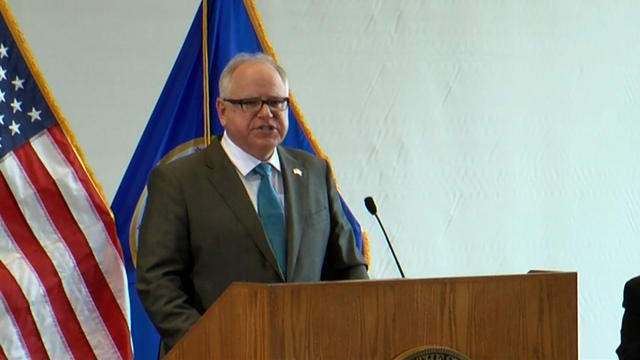
Minnesota state officials say they are negotiating to purchase a warehouse facility to temporarily store bodies of COVID-19 victims.

Additional lab-confirmed cases in Minnesota continue to increase by the hundreds in the state as testing breached 100,000.

The Minnesota Zoo says the COVID-19 pandemic is "unlike any challenge" it has experienced and staff reductions have become necessary.
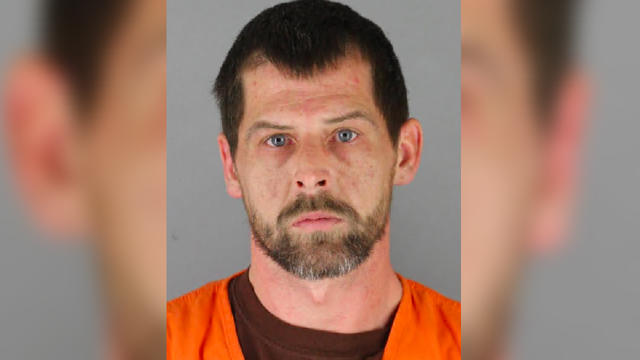
Jory Wiebrand, who is suspected of being a serial rapist targeting women in a Minneapolis neighborhood near the University of Minnesota, is now facing charges in four additional cases.

State officials released guidelines on graduation ceremonies for Minnesota schools on Friday, recommending virtual celebrations and nixing gatherings indoors or in outdoor sports stadiums.
A U.S. Marshals task force says a man has been arrested in Arkansas on a warrant related to a killing in Minnesota.
After learning about the positive case, Target says its team worked "quickly to deep clean and sanitize the store."
On Sunday. a man was found dead in a burning home near Bemidji and another man was found with gunshot wounds.
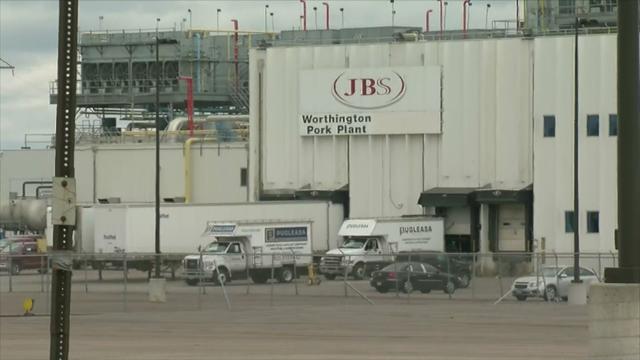
As coronavirus hotspots erupted at major U.S. meatpacking plants, experts criticized extremely tight working conditions that made the factories natural high risk contagion locations. But some Midwestern politicians have pointed the finger at the workers' living conditions, suggesting crowded homes bear some blame.
