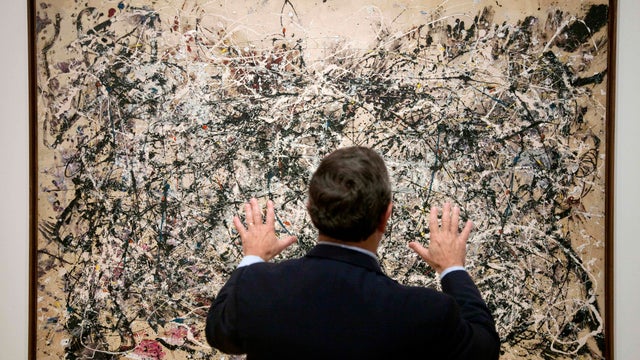
Color mystery in famous Jackson Pollock painting finally solved
Scientists have identified the origins of the blue color in one of Jackson Pollock's paintings with a little help from chemistry.
Watch CBS News
Scientists have identified the origins of the blue color in one of Jackson Pollock's paintings with a little help from chemistry.
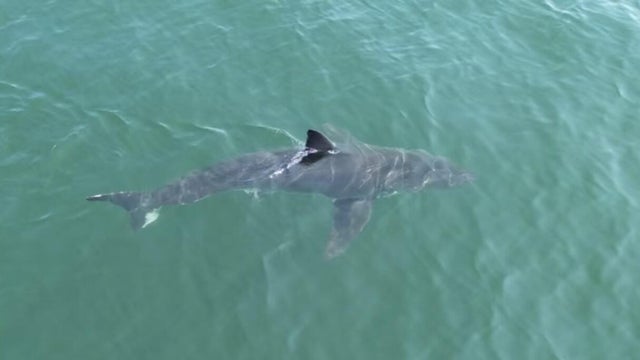
New data shows that great white sharks are spending more time in the chilly waters off New England and Atlantic Canada.
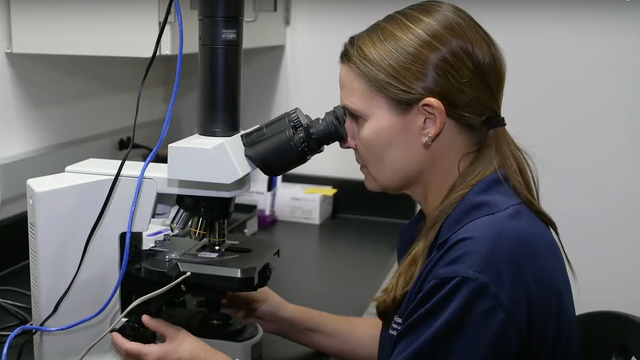
Experts at the Smithsonian Conservation Biology Institute care for endangered species on 32,000 sprawling acres in Northern Virginia.
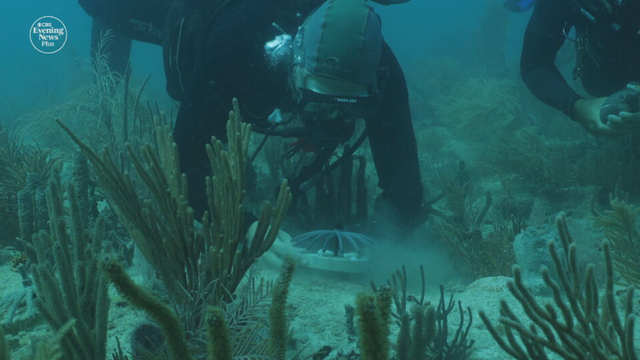
Elkhorn coral helps form the skeleton of a healthy reef, but more than 95% of the Elkhorn coral off Florida has been wiped out. Scientists have created the "Flonduran" crossbreed to solve the problem.
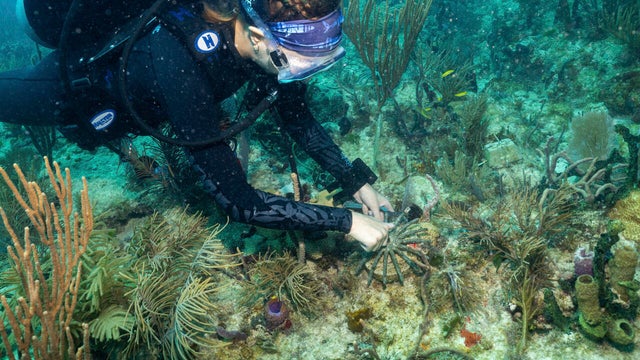
Scientists from the University of Miami, the Florida Aquarium, and Tela Marine in Honduras are transplanting crossbred coral fragments onto a reef off Miami's coast.
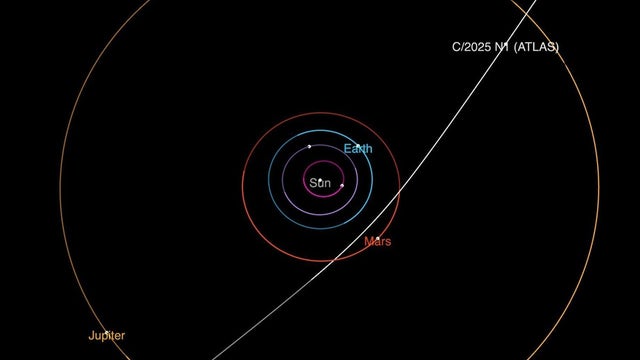
NASA has discovered 3I/ATLAS, an interstellar comet that's wandered into our backyard.
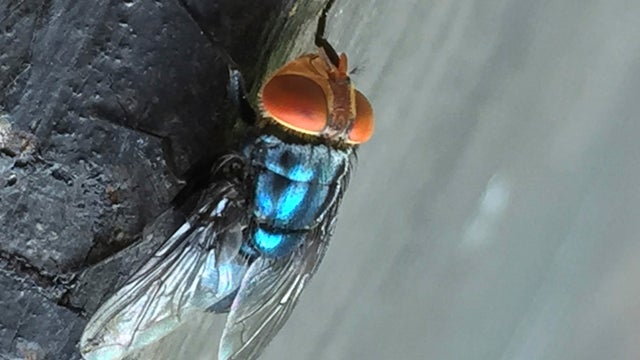
The move is part of the government's plans for protecting the U.S. from the New World screwworm fly, which could devastate its beef industry and even kill household pets.
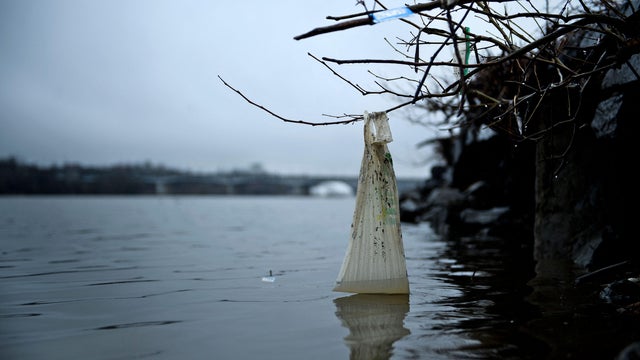
Researchers conducted the first systematic review of policies around the U.S. to limit plastic bag use.
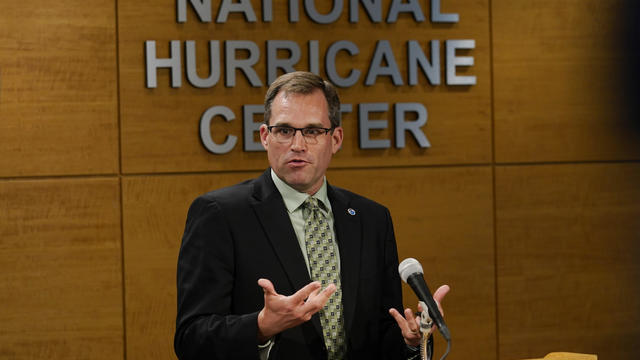
According to CBS News, about 2,200 NOAA employees have been fired or have taken buyouts since January.
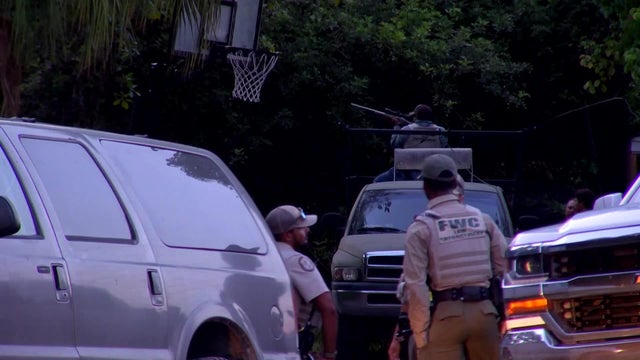
Officials say lab results have connected one of three black bears killed by wildlife officers in southwest Florida to a fatal attack on a man and his dog a day earlier.

A lawsuit against Florida's ban on "lab-grown" meat is still alive after a federal judge tossed four parts of the lawsuit but kept a fifth.
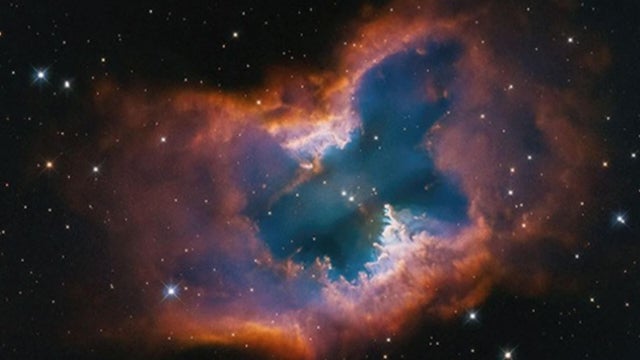
The Hubble Space Telescope "opened a new window to the universe" when it launched into space. Now, 35 years later, NASA is releasing some stunning images to celebrate.
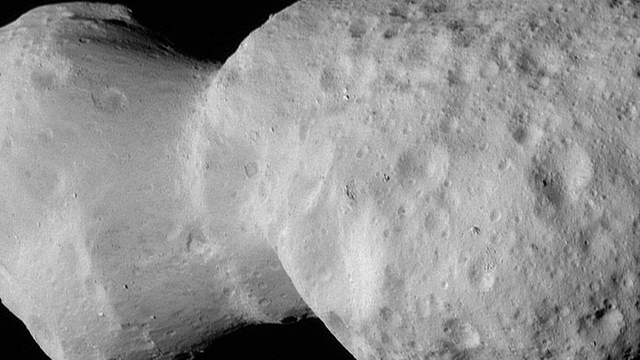
This asteroid is bigger than scientists anticipated, about 5 miles long and 2 miles wide at its widest point — resembling a deformed peanut.
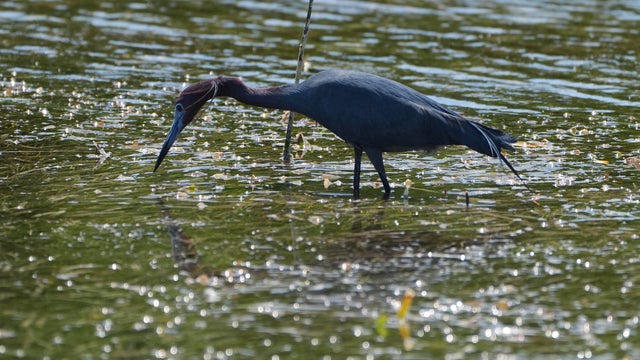
The Everglades is more than just swamps, fan boats and alligators and restoration efforts impact more than the land between Florida's east and west coasts.
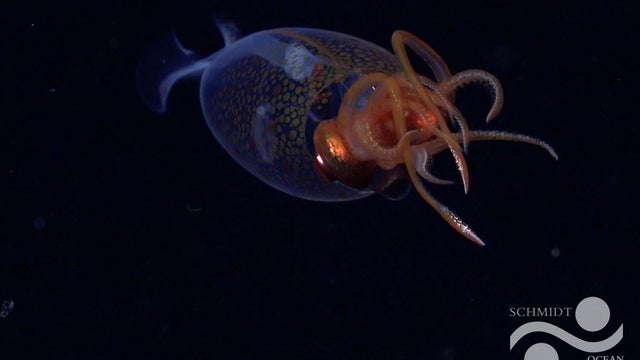
Researchers recently captured the first live footage of a colossal quid in its natural habitat, thousands of feet under the sea near Antarctica.
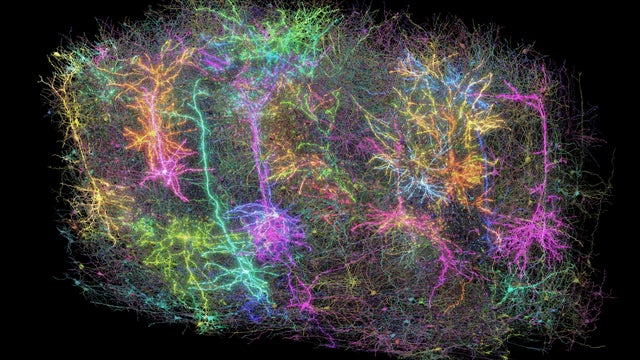
Thanks to a mouse watching clips from "The Matrix," scientists have created the largest functional map of a brain to date.
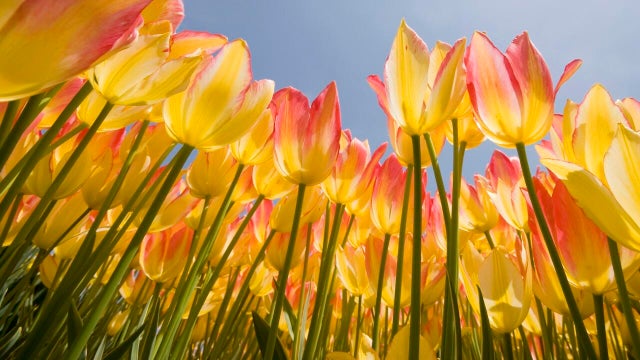
The first day of spring, also known as the vernal equinox, has arrived in the Northern Hemisphere on March 20, 2025.
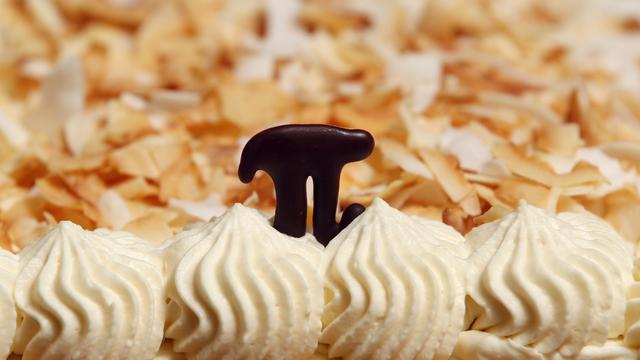
National Pi Day is recognized today in the U.S. and around the world. Here's what to know about the quirky holiday, and how to celebrate.
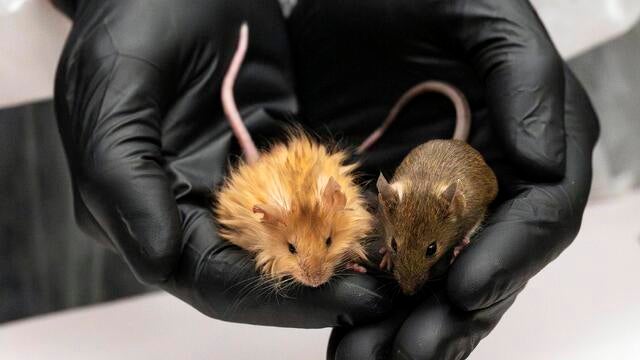
Colossal Biosciences has focused on identifying key traits of extinct animals by studying ancient DNA, with a goal to genetically "engineer them into living animals," said CEO Ben Lamm.
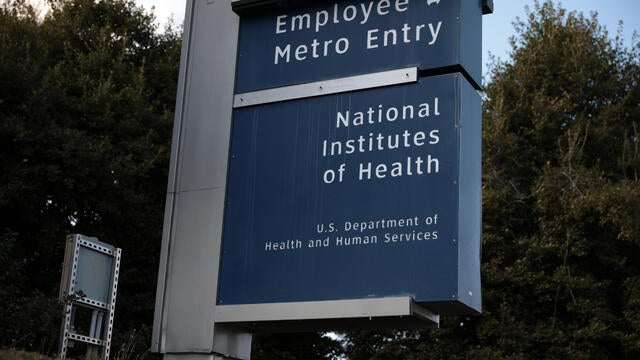
A federal judge is preventing the Trump administration from drastically cutting medical research funding.
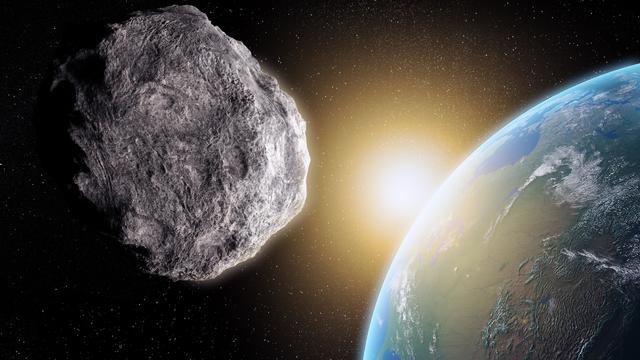
"An asteroid this size impacts Earth on average every few thousand years and could cause severe damage to a local region," the European Space Agency said.
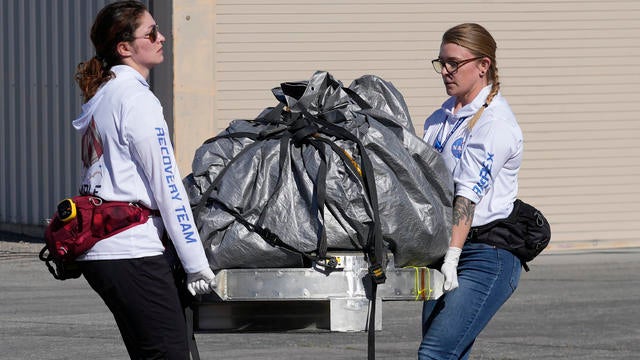
A NASA spacecraft has returned asteroid samples that hold not only the pristine building blocks for life but also the salty remains of an ancient water world.

This is the first time the sound and image of a meteor falling has been documented on video, a University of Alberta scientist found.
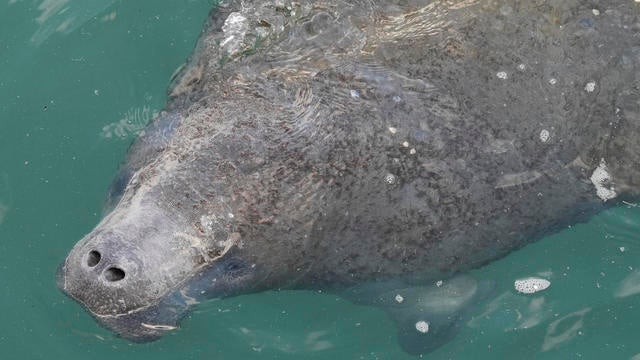
A polar vortex that has hit much of the U.S. with ice and snow has dealt a glancing blow to Florida and its manatee population.
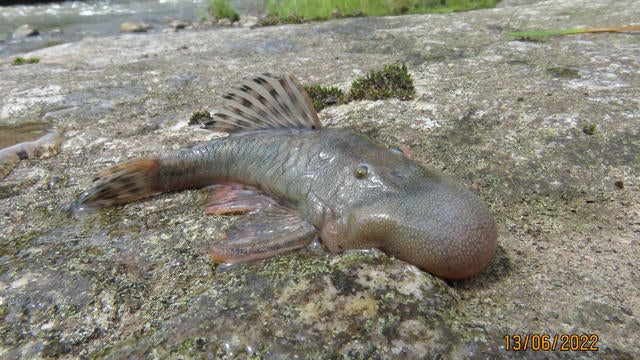
Hundreds of new species across the globe were identified by scientists in 2024.