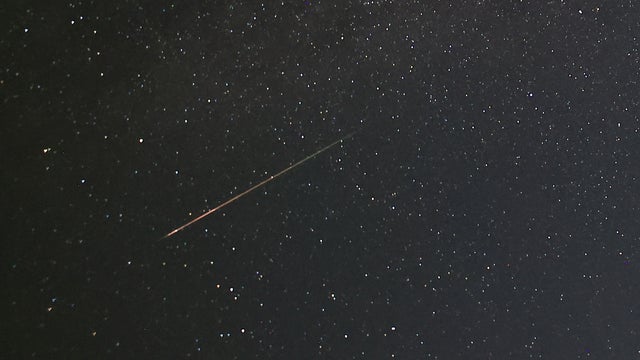
Perseid meteor shower reaches peak viewing on Wednesday night
The Perseid meteor shower is the best viewing all year, according to NASA.
Watch CBS News
The Perseid meteor shower is the best viewing all year, according to NASA.

A fireball was reported in the skies above Ohio and nearby states early Thursday morning.

A meteor was seen Monday night over Southeast Michigan, as illustrated by this image from Macomb WX. CBS Detroit meteorologist Vytas Reid explains why the sky has been so active with fireballs and meteors lately.
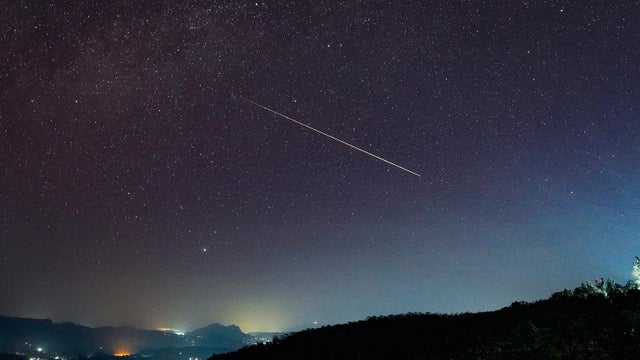
The Perseids meteor shower begins this week and is expected to offer one of the best astronomy shows of 2025.
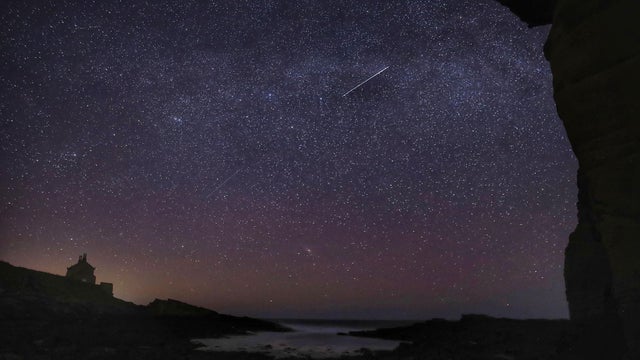
During the peak of the Lyrid meteor shower, 10 to 20 meteors could be seen per hour, NASA says.

This is the first time the sound and image of a meteor falling has been documented on video, a University of Alberta scientist found.

Skywatchers can mark the calendar with a busy lineup of celestial occurrences in 2025.

One of the best meteor showers of the year is about to peak. Here's how to watch and where you can catch the Geminids.
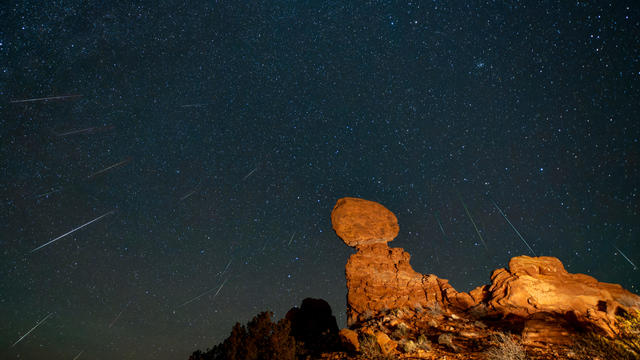
The Geminid meteor shower this year is set to peak at almost the same time as December's full moon, which could make for challenging viewing conditions.
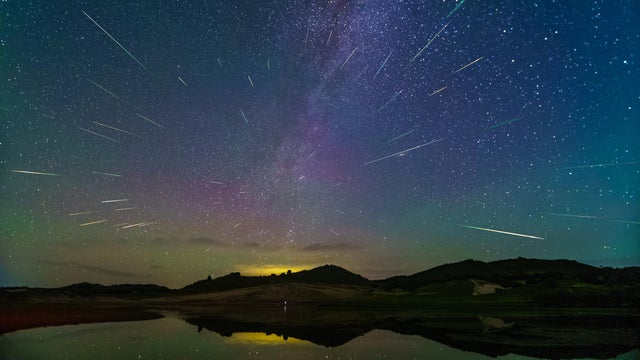
The Perseid meteor shower peaked in the night skies of Sunday into Monday, giving astronomy fans one of the best shows of 2024 as they looked to the skies.
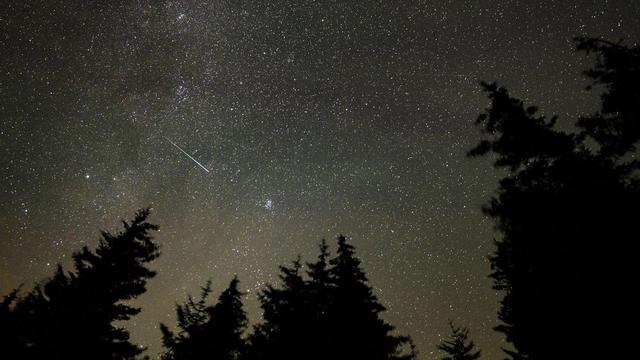
Two meteor showers are expected to flash across night skies around the same time this week.
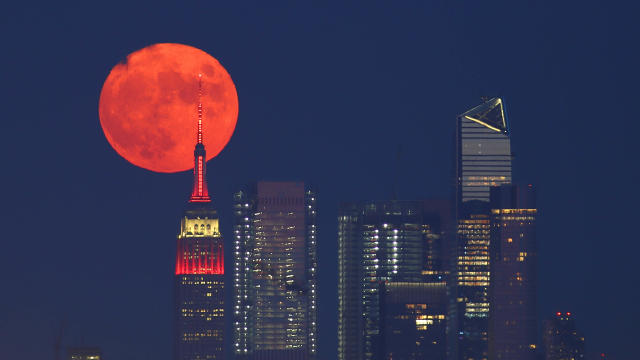
The full moon, also known as the Thunder Moon, will last three days, peaking on Sunday morning.
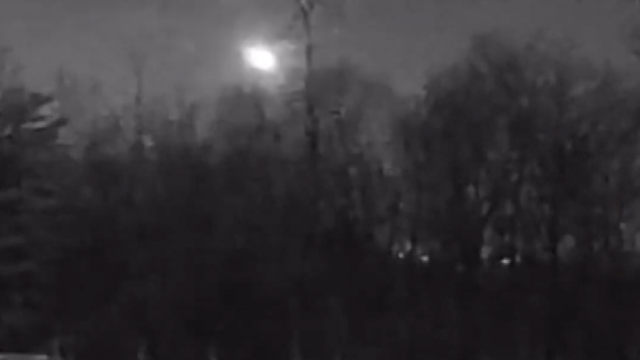
People across the eastern U.S. and in parts of Canada saw a dazzling light show on Wednesday night, as a fireball entered the atmosphere and burned up.
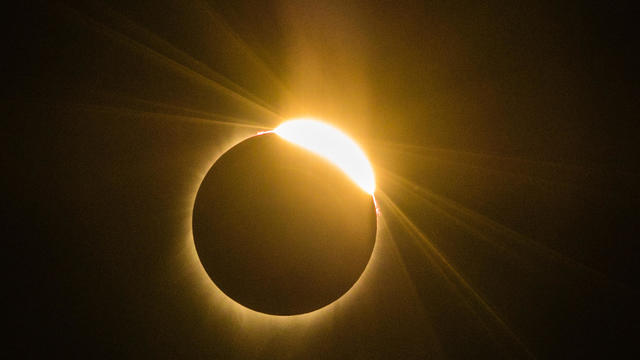
Astronomy fans can enjoy celestial events throughout 2024, looking to the sky to see full moons, meteor showers and a total solar eclipse. Here are the key dates to mark on your calendar.
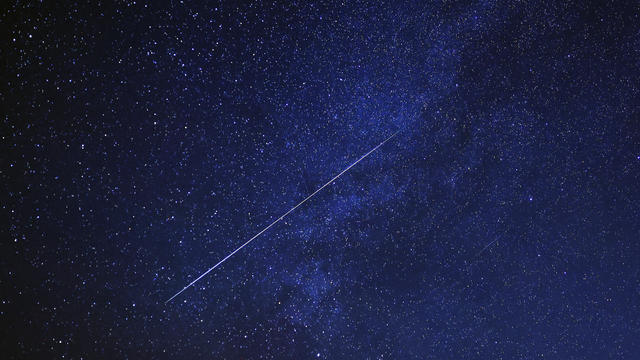
NASA described the Ursids as "a meteor shower for diehards only." It is set to peak Thursday night into Friday morning.
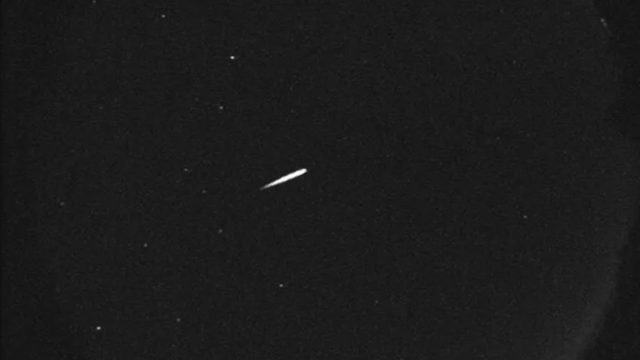
The Orionids are known for their brightness and speed, traveling at about 41 miles per second.
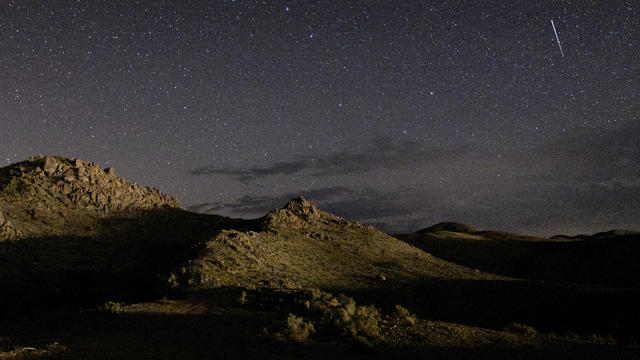
About 50 to 100 meteors from the Perseids can be seen per hour under ideal conditions, according to NASA.
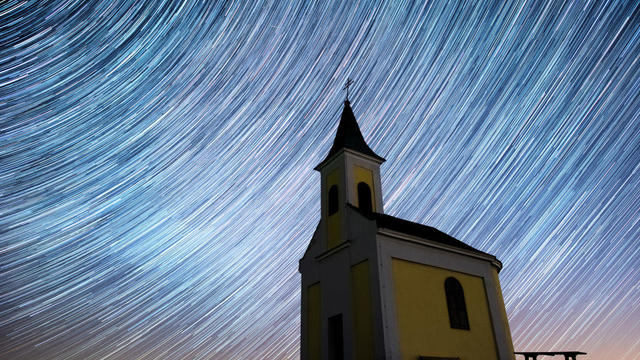
The Lyrids have lit up the sky for the past 2,700 years and potentially dozens of meteors could be seen per hour.

Here's how to see the Draconid and Orionid meteor showers in Michigan. Venus, Mercury, Mars and Venus are also visible in October.
If you can catch only one meteor shower this year, it should be the Perseids.

Person after person described seeing an intense "white light" in the sky.

Homeland Security ending speculation as to the source of the mystery in the sky Tuesday night.

The skies this weekend will be filled with a natural wonder -- just look up!

The Delta Aquarid meteor shower occurs July 12 to August 23 every year and peaks in late July.
"Traditionally it kicks off the season of meteor showers."