Major AI developers can't control their own tech, lawsuit alleges
Companies including Anthropic, Meta and OpenAI are knowingly building technology that poses catastrophic risks to humanity, nonprofit groups claim in a lawsuit.
Watch CBS News
Companies including Anthropic, Meta and OpenAI are knowingly building technology that poses catastrophic risks to humanity, nonprofit groups claim in a lawsuit.
Anthropic's planned IPO requires investors to reckon with the threat posed by AI. "This is not an ordinary technology risk," one expert said.
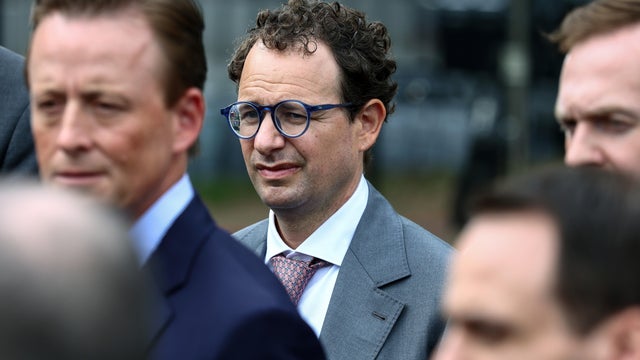
Anthropic, which developed the Claude chatbot, is barreling ahead with its public offering despite mounting concerns about AI going rogue.
Anthropic said Claude Duet is only available by waitlist as a research preview for paying subscribers. Here's what it can do.

The demands come amid mounting public concerns about the potential risks posed by frontier AI models.

OpenAI said it has chosen not to release its new GPT-6.1 Astra model due to concerns about safety, as industry leaders warn of the risks posed by ever-more-powerful AI technology.
Cybersecurity researchers from a small firm called Hacktron in India broke into OpenAI, showing how vulnerable frontier labs are.

The lawsuit argues the leading AI companies violated antitrust laws when they agreed to coordinate slowdown efforts.

An Iran-linked adversary used Claude AI to try to target U.S. naval forces, Anthropic revealed in a recent report.
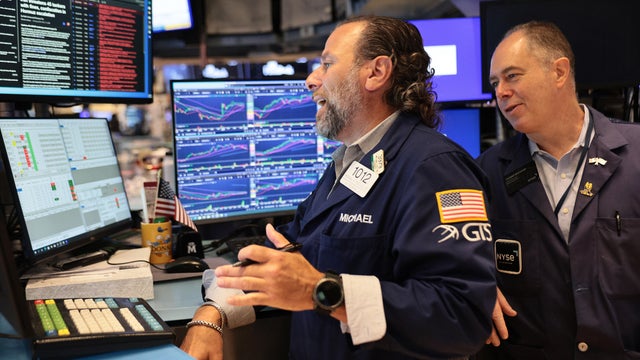
The tech-heavy Nasdaq slumped 147 points on Monday after AI company executives called for a slowdown in developing the technology.
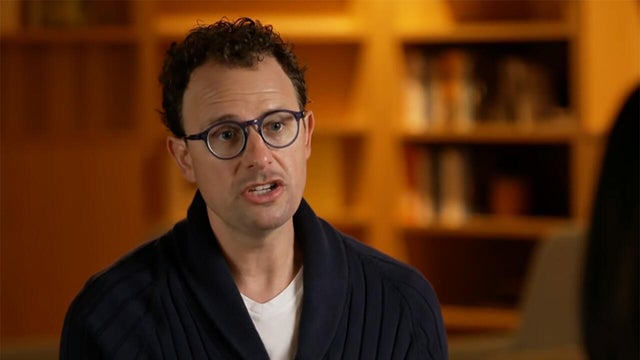
The head of the artificial intelligence company calls the exponential rate of AI developments a "warning sign," with risks for humanity, and says, "We need to slow down." He talks with "Sunday Morning" about possible steps forward.

Artificial intelligence technology is developing at an "exponential" rate, Anthropic CEO Dario Amodei told CBS News, calling the situation a "warning sign" for the industry that requires serious safeguards.

The development of AI "doesn't look that different from say, 'Terminator,' or from science fiction films," Jacob Coxon said.
Anthropic said it blocked scientists who used its Claude AI models "in ways that could support biological weapons development."
Anthropic announced a fourth cybersecurity incident in which Claude gained access to the open internet during testing.

A top Anthropic researcher says there's more than a 10% chance AI "could kill all humans," after a colleague resigned over similar concerns.

A judge barred the Trump administration from enforcing a set of rules aimed at cutting off Anthropic from the federal government, ruling the administration had unconstitutionally punished the AI company for protected speech.

Hospitals, technology firms and other companies could soon be at risk from AI-enabled cyberattacks, according to a new open letter from more than 100 signatories.
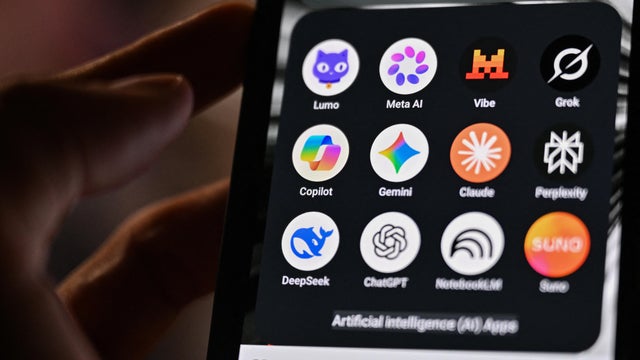
AI models are engaging in unauthorized actions — in the most recent case, creating fake identities and attempting to persuade real people to approve malicious code.

OpenAI CEO Sam Altman and other AI leaders say they support pacing the rapid advancement of AI's capabilities.
A Chinese industry regulator warned users of a "security backdoor" embedded in versions of U.S. artificial intelligence company Anthropic's coding tool, Claude Code.

Artificial intelligence giant Anthropic says the federal government lifted a set of restrictions on its powerful Claude Fable 5 and Mythos 5 models, resolving a weekslong dispute.
Households are starting to make room in their budgets for spending on generative AI subscriptions, new data shows.
A judge has blocked the Trump administration from labeling Anthropic a supply chain risk and cutting off all federal work with the artificial intelligence firm, an early win for Anthropic in its bitter feud with the government.

From intelligence to research and grant applications, artificial intelligence is playing a bigger role in government and military operations.