Surprise unearthing of centuries-old storm Denver drain complicated, delayed 16th Street project
A recently completed review of the 3.5-year, $149 million 16th Street Improvement Project in Denver focused on the unexpected discovery of a centuries-old brick storm sewer. The finding halted work in the downtown construction project, resulting in a 301-day delay and additional $18 million in costs -- which the Denver City Council did not approve.
The council, in fact, did not learn of the additional costs until after they'd already been paid, according to the report.
The City of Denver Auditor's Office released its examination of the project Thursday, along with a series of recommendations. The office routinely examines the functions and fiscal performances of other city departments, a role it has played for the last two decades.
The storm drain was uncovered in May 2022, a year after construction began. It was "undocumented" -- not previously mapped in the city records -- per the report. And that is not uncommon. The city still has more than 69 miles of brick storm sewers collecting water away from streets and carrying it to the South Platte River and Cherry Creek. The entire brick system was built between 1880 and 1937, and became eligible for listing in the National Register of Historic Places in February 2013.
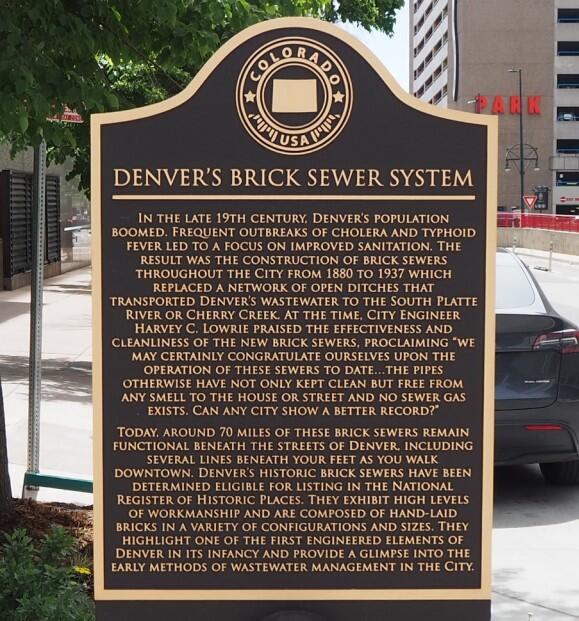
But incomplete records keep the layout of some sections a mystery today.
"Although the brick sewer system is still largely intact, a comprehensive map of brick sewer locations does not exist," the auditor's office stated in its report. "The city does not have a plan to replace existing brick sewer lines. Instead, it addresses brick sewers as they are found during city projects. ... [T]he exact location of every brick sewer across the city is unknown."
Those same issues arise with other older amenities installed during the city's formative years. Those include a centuries-old water line, steam lines, storm and sanitary lines, electrical infrastructure, gas networks, over a dozen telecom lines and traffic networks, all with varying levels of documentation, as described by a spokesperson from the city's Department of Transportation and Infrastructure.
That spokesperson said DOTI consulted with Colorado's State Historic Preservation Office during the environmental assessment phase of the 16th Street project. At that time, "the brick storm sewer system was not identified as a 'historic resource' requiring consultation and mitigation."
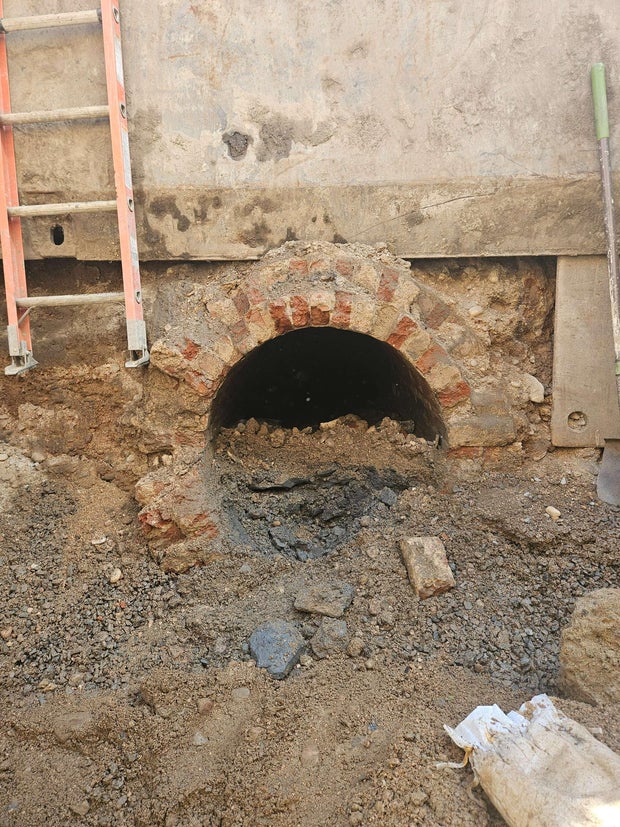
But once it was uncovered, crews ceased work. A 30-day review was required by historic preservation agreements.
"At first, the city's position was the contract explicitly placed all utility risk on PCL," according to the auditor's report. "But because any mention of potential brick sewers was absent from the city's project proposal, the city eventually agreed to compensate PCL for direct costs and schedule impacts in an $18 million settlement. Using a change order added this cost to the original contract value and extended the project's completion time by 301 calendar days."
DOTI maintains it has already used its 16th Street experience to expedite construction in other major projects that have encountered historic resources like the brick storm drain.
The auditor's report was critical of that change order and DOTI's perceived circumventing of city council approval.
"The City Attorney's Office says because PCL submitted a change order and not an amendment to the contract, council review and approval was not required," the auditor's office stated in a press release. "Transportation & Infrastructure said City Attorney guidance 'recommends utilizing change orders for scope, time, and/or budget changes unless they constitute a cardinal change.' The department said the change order following the sewer discovery was due to 'delays and a contractor dispute, not a cardinal scope change.'"
The legal definition of "cardinal change" is work which fundamentally changes the nature of the project and, thus, the contract with the construction company.
DOTI, in response, disagreed with the interpretation that it avoided proper oversight. The change order dealt with delay costs and "sequencing" of further work, and did not fundamentally change the ongoing work, DOTI claimed.
"From a legal perspective," DOTI's spokesperson stated, "we followed all policy and legal requirements in executing the change order. The additional funding needed for this change was obtained according to program governance and the project is now complete.
"DOTI believes in consistent and thorough communication with City Council members on pertinent active projects. That said, in this circumstance, a contract amendment was not required and our efforts resulted in keeping the project moving while we worked with (historic preservation consultants)."
In all, the 16th Street Improvement Project had 11 change orders totaling $27.2 million. It was completed in September 2025 at a total cost of approximately $175.6 million.
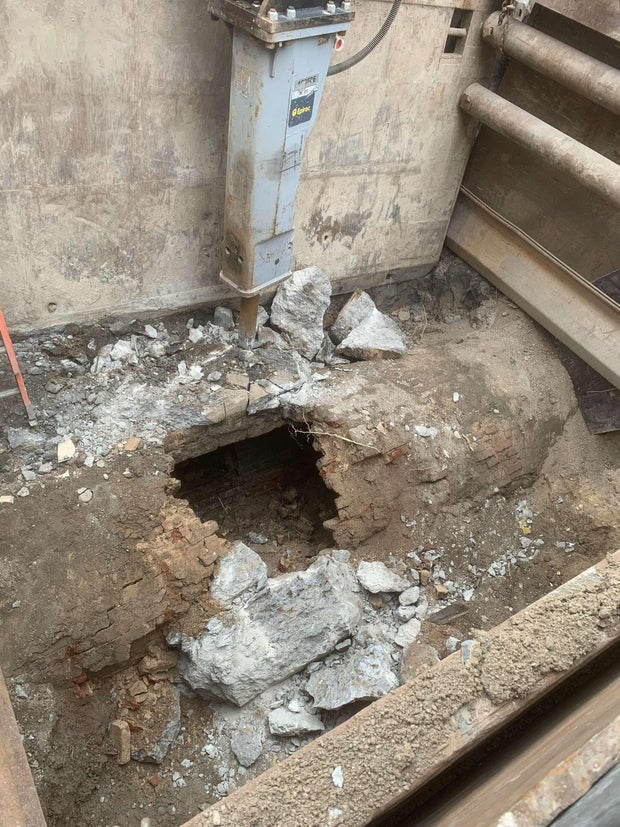
Work crews connected new storm drains to the existing brickwork buried decades ago.
16th Street, originally named the 16th Street Mall, opened to the public in October 1982. The city began planning the renovation of 16th Street in 2007, primarily attributing the increasing maintenance costs of its granite paver surface as the need for it. The lifespan of the pavers was estimated at 30 years, per the audit.
The city also sought to make 16th Street more functional and appealing for pedestrians.
The Denver City Council approved the $149 million construction contract with PCL Construction Services Inc., commonly known as PCL, in March 2021.
Kiewit Corporation, the largest contractor in the state, formally withdrew from the bidding process for the project while citing the risks the city's brick sewer system posed, according to the auditor's report.

The yearlong delay caused by the brick sewer drain was an added burden on businesses along 16th Street already stressed by the project's construction. Marissa Williams, co-owner of the Rocky Mountain Chocolate Factory, told CBS Colorado that her business had been cut in half a year into the project.
Reached Sunday by phone, Williams said the impact of the project is still being felt and customer traffic has yet to fully recover.
"We have highs and lows," Williams said. "The lows are brutally low."


