Kansas girl, 2, given more than 30 vials of antivenom in Colorado after getting bitten by rattlesnake

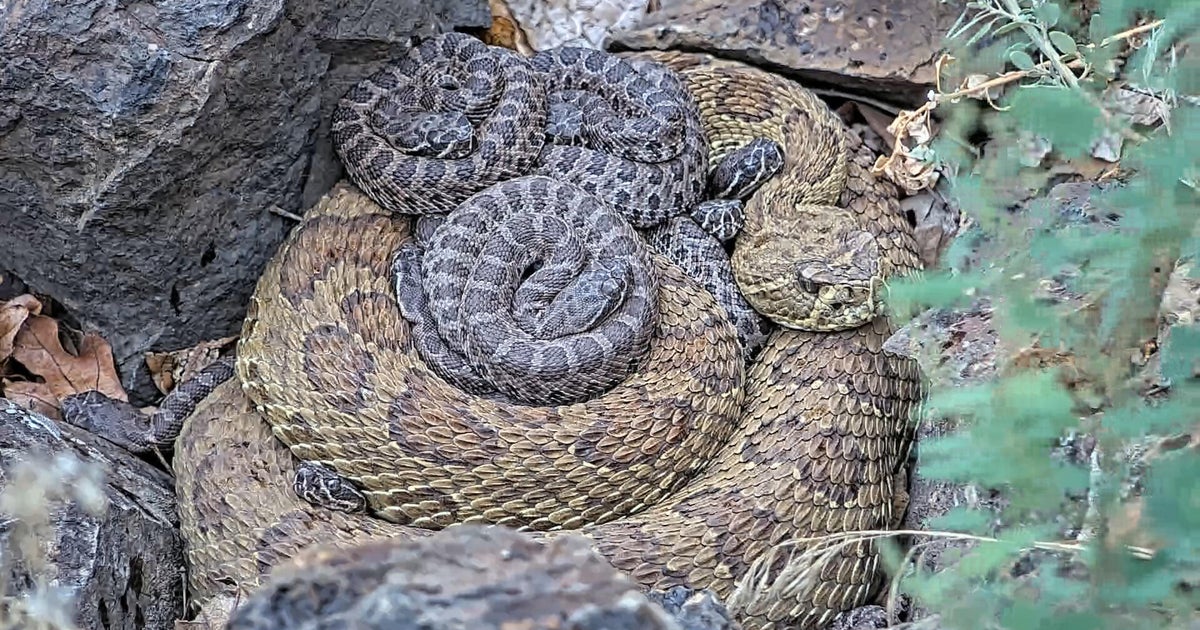
A Kansas family's trip to Colorado for a wedding turned into a fight for survival. A 2-year-old girl was bitten twice by a rattlesnake near Bennett and airlifted to Children's Hospital Colorado.
Quinn Robertson was supposed to be the flower girl in her aunt's wedding this weekend in Byers. Instead, the toddler is recovering in the pediatric intensive care unit after receiving more than 30 vials of antivenom, a blood transfusion and emergency lifesaving care following the bite Monday evening.
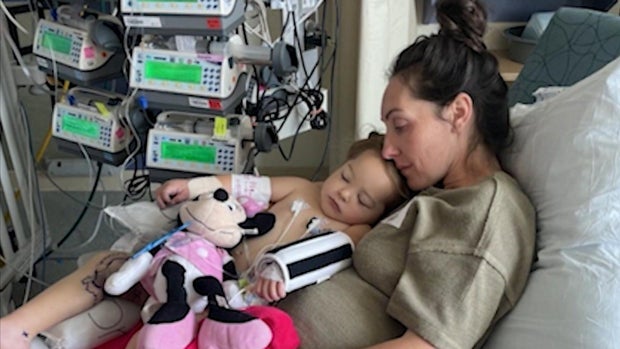
The family had driven hours from the Kansas City area to an Airbnb in Bennett. Colleen, a florist, came early with her husband and daughter to prepare flowers for her sister's ceremony.
After unpacking, Colleen took Quinn outside to look at horses.
While walking through rough terrain, Quinn was bitten twice on the thigh.
"We almost were to the fence, and I hear a little cry," Quinn's mother, Colleen Robertson. "I quickly lifted her up. I look down, and I see the snake."
Quinn's condition rapidly deteriorated.
"Within a couple minutes, she started losing oxygen, was going all white and going in and out of consciousness," Robertson said. "It was so fast."
The family called 911 while trying to keep Quinn awake until help arrived.
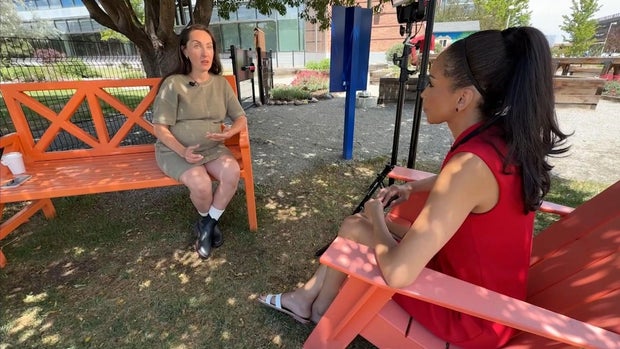
Robertson said she began performing CPR while waiting for first responders. About 20 minutes later, emergency crews arrived and Quinn was airlifted to Children's Hospital Colorado in Aurora.
"It would probably be too late if we drove there," Robertson said, who followed in a police escort as she is nearly 9 months pregnant.
When the family arrived at the hospital, Robertson said dozens of medical professionals surrounded Quinn in the emergency room.
Dr. Danae Massengil, a pediatric toxicologist at Children's Hospital Colorado, said rattlesnake bites can be especially dangerous for small children. Massengill said venom can cause extensive tissue damage, dangerous blood clotting issues and severe systemic reactions that can rapidly destabilize patients.
After roughly 48 hours, Quinn had received more than 30 vials.
"They had to borrow from various hospitals because there wasn't enough here," Robertson said. "But thank God they had the antivenom here at this hospital."
Massengil described Quinn's case as an extremely severe envenomation.
"She was very, very sick," Massengill said. "She required three, four-plus loads of antivenom just to be able to control the degree of her severity."
Doctors eventually removed Quinn's breathing tube Wednesday, and she has since started physical therapy.
Her recovery remains uncertain.
"There's a lot of tissue damage from the bite since it was so intense," Robertson said. "There's still a lot of unknowns right now as far as when she'll be able to dance and jump again."
Massengil said recovery from severe snake bites can take time, especially when mobility and tissue damage are involved.
"Kids are very resilient," she said, "But realistically speaking, it does take some time to work towards getting back to that full functionality and full mobility."
Massengil said Quinn experienced what appeared to be a rare "anaphylactoid-like reaction," where her body responded almost as if it were having an allergic reaction to the venom.
"She certainly is one of the sickest patients we've had in a while," Massengil said.
Doctors are now closely studying Quinn's case. Robertson said hospital staff have told her Quinn's treatment may help shape future care protocols for pediatric snakebite victims. A crowdfunding page has since been created to help cover medical expenses, travel costs and lost wages while the family remains in Colorado. She hopes Quinn's story serves as a warning for other families to stay vigilant during rattlesnake season.
"Not to be fearful," Robertson said, "but just to really put into action some protocols to protect those you love while being extra cautious."
Massengil urged families to stay alert outdoors as Colorado enters peak rattlesnake season, which typically runs from late spring through September.
"If the bite does happen, try to stay calm, call 911 as quickly as possible, and get to a healthcare facility so you can receive the appropriate treatment," she said.