Denver proposal to allow bars, nightclubs to stay open until 4 a.m. sparks debate

A proposal to allow some Denver entertainment venues to stay open until 4 a.m. is drawing mixed reactions, with city officials arguing it could improve safety while others warn it may increase risks.
Under the plan, alcohol service would still end at 2 a.m. in accordance with state law. However, certain businesses, primarily nightclubs, could remain open for two additional hours to serve food and non-alcoholic drinks, allowing patrons more time to leave gradually.
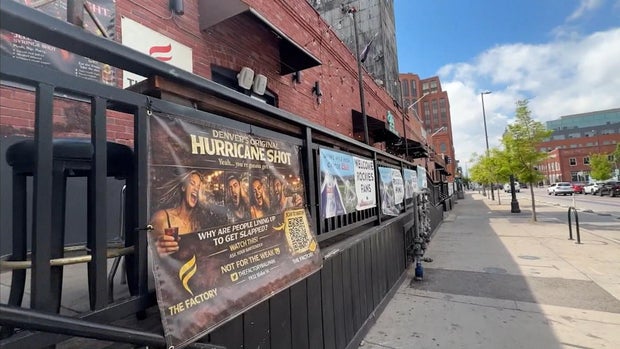
City officials say the goal is to reduce large crowds exiting venues at once, particularly in busy nightlife areas like LoDo, where late-night surges have been linked to fights and other incidents.
"We've been concerned about increases in violence downtown, and we want to stop that while also becoming more business-friendly," said Eric Escudero with Denver's Department of Licensing and Consumer Protection.
The proposal is part of a broader overhaul of entertainment regulations and it's the the first major update in nearly 40 years. It would simplify the current system of 14 license types into three: adult entertainment, limited entertainment, and nightclub licenses.
Supporters say the changes would cut red tape and lower costs for businesses. For example, some venues like coffee shops or bookstores with live music may no longer need additional licenses. Public hearings, currently required for certain licenses, would only happen if requested by the community or deemed necessary by the city.
The plan would also introduce stricter requirements for nightclubs, including video surveillance, trained security, age verification policies, and measures to ensure orderly crowd dispersal.
Some business owners say the changes could bring in more late-night customers but also raise operational costs.
"Some locations could benefit, while others may not," said Micah Emerson of Culinary Creative Group. "It would require serious oversight to function properly."

Opponents, including groups like Mothers Against Drunk Driving, argue that extended hours could lead to more impaired driving. They point to rising DUI trends and note that Colorado lacks widespread late-night public transportation.
"Someone who stopped drinking at 2 a.m. could still be impaired at 4 a.m.," said Rebecca Green with Mothers Against Drunk Driving.
The city is currently gathering feedback and working on a revised proposal expected to go before Denver City Council in June. If approved, the changes could take effect as early as Jan. 1.


