Colorado rescuers can't tell people enough about being prepared in the mountains

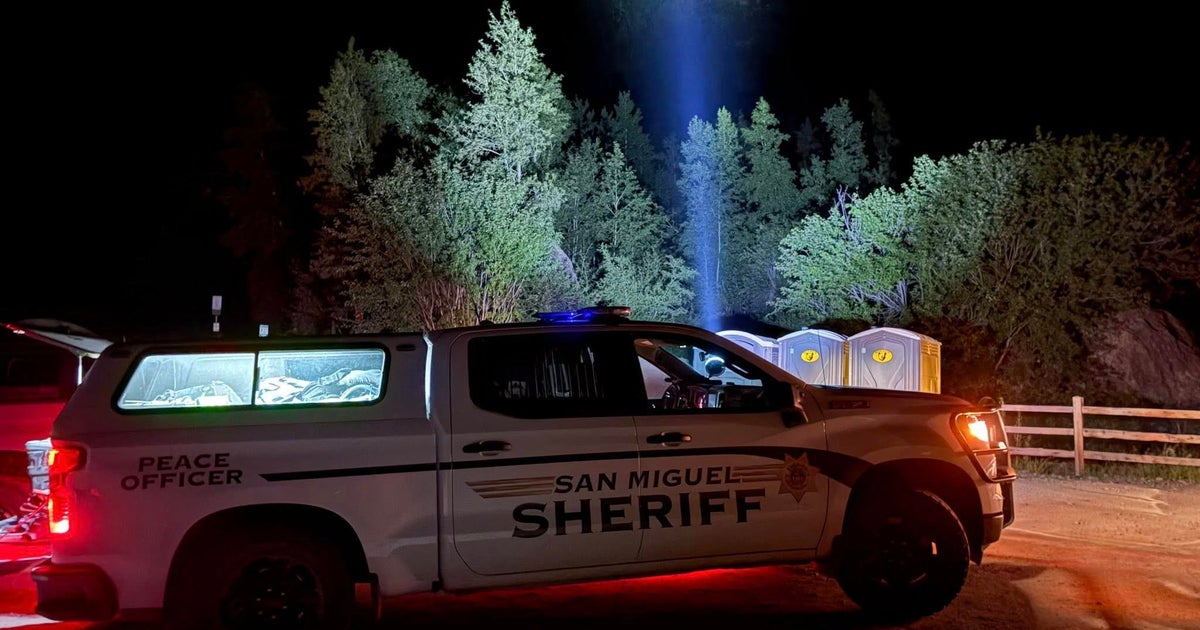
Two rescues within the past week in San Miguel County are a reminder about preparation in Colorado's mountains as the arrival of warm weather means more people in the mountains. One was the search for a woman found cold and tired at 10:30 p.m. after she got separated from her son on a trail.
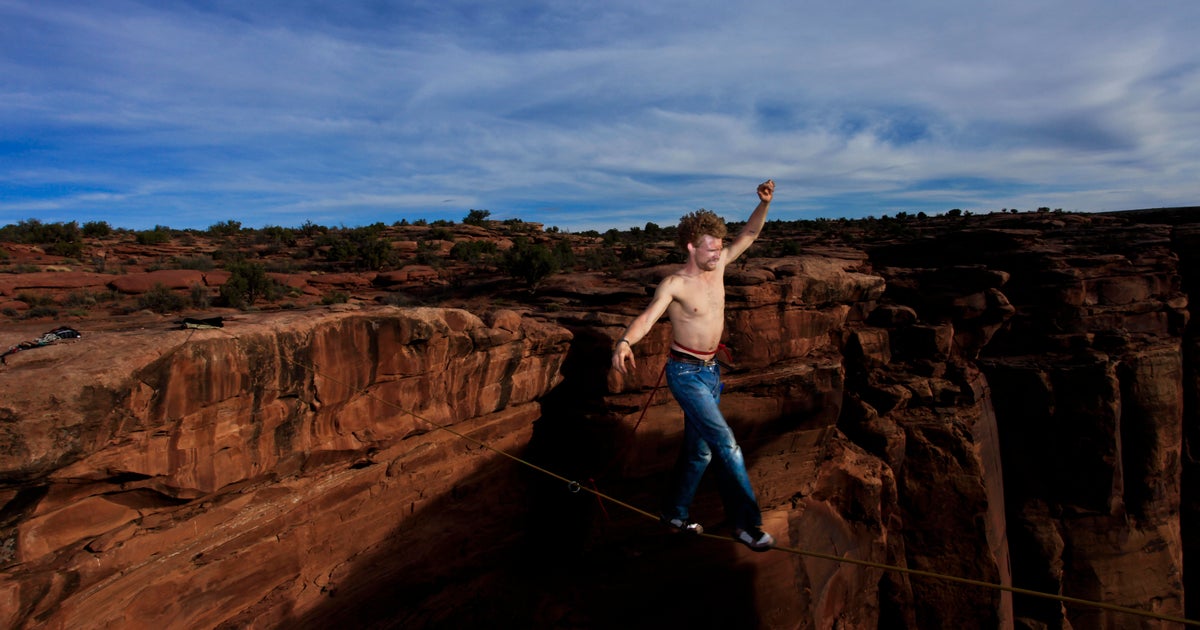
The other was the rescue of two women who cliffed out on the famous Via Ferrata in Telluride where there are cables and handholds along with iron rungs.
"You need to be smart to do anything in the backcountry, but the Via Ferrata is no joke," said Susan Lilly of the San Miguel County Sheriff's Office.
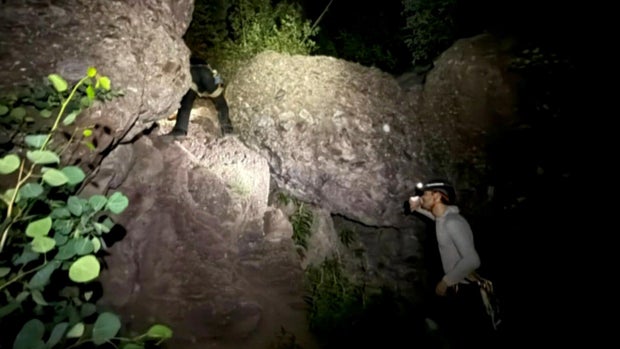
The women in their early 20s were both from out of state. One was from Utah, the other Idaho. They began the traverse with its cables and loops attached to the cliffs around 6:30 p.m. Saturday. They had never attempted the Via Ferrata before. The sheriff's office says they were not ready. The route takes many hours.
"We do know they were ill-prepared. They didn't have great footwear. They definitely didn't have appropriate clothing. One light source between the two of them. No food, no water," said Lilly.
Search and rescue was called in to help rappel the women from the narrow ledges. They were uninjured.
"These two hikers could have spent the night stranded on the cliffs, cold, frightened and at risk of injury or worse had it not been for our dedicated and highly skilled SAR team... People need to exercise better judgment and be appropriately experienced and prepared before attempting terrain this technical." said San Miguel County Undersheriff Nick Xavier in a statement.
There are now about 3,000 search and rescue incidents in the state per year and keeping people informed of safety issues is a constant.
Rescuers warn people, "Want hiking shoes, extra water, extra food, rain gear, the clothing needs to keep you warm if you are spending the night out there," listed Lilly. And be sure and let someone know where and when you're going and when you'll be back, she noted.
"Every one of these, missions, we don't ever mean to shame anyone. It's an opportunity to get that public safety message out," said Lilly.