Colorado legal expert breaks down heart of birthright citizenship debate, immigrant families share concerns
The U.S. Supreme Court is taking up the issue of birthright citizenship for children born in this country to parents who are here illegally or temporarily.
The first day of his second term, President Trump signed an executive order to end birthright citizenship. Opponents say his order is unconstitutional, and the Supreme Court justices, including some conservatives, appeared skeptical of the administration's argument on Wednesday. Chief Justice John Roberts questioned lawyers' interpretations of the amendment, saying it relies on "very quirky" examples of exceptions and broadens them to include millions of people in the country illegally.
"You obviously put a lot of weight on 'subject to the jurisdiction thereof,' but the examples you give to support that strike me as very quirky. You know, children of ambassadors, children of enemies during a hostile invasion, children on warships. And then you expand it to the whole class of illegal aliens who are here in the country," Roberts said. "I'm not quite sure how you can get to that big group from such tiny and sort of idiosyncratic examples."
The first sentence of the 14th Amendment reads, "All persons born or naturalized in the United States, and subject to the jurisdiction thereof, are citizens of the United States and of the State wherein they reside."
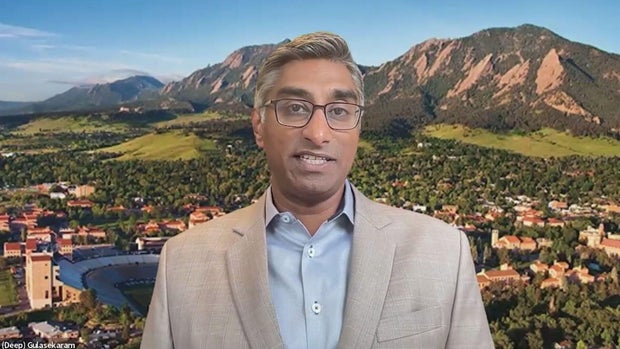
Professor Deep Gulasekaram from the University of Colorado School of Law says this is at the center of this fight over who gets to become a citizen of the United States.
"The legal question that was being debated in the Supreme Court was, what does it mean not only to be born in the United States, but also to be subject to the jurisdiction of the United States?" said Gulasekaram.
Solicitor General D. John Sauer presented the case on behalf of the Trump administration, asserting that unrestricted birthright citizenship "demeans the priceless and profound gift of American citizenship." His argument hinged on the phrase "subject to the jurisdiction thereof" in the Citizenship Clause, according to CBS News.
Sauer said that the phrase was understood in the 19th century to mean those who are "domiciled" in the U.S., meaning those who are "lawfully present and have an intent to remain permanently." He said that the amendment has been misconstrued for decades to apply to almost all babies born in the U.S.
Gulasekaram says, "They suggest that jurisdiction means that you are allowed by the federal government to stay in the United States, that you've established, in their view, domicile and residence in the United States, that you own only your allegiance to the United States and no place else."
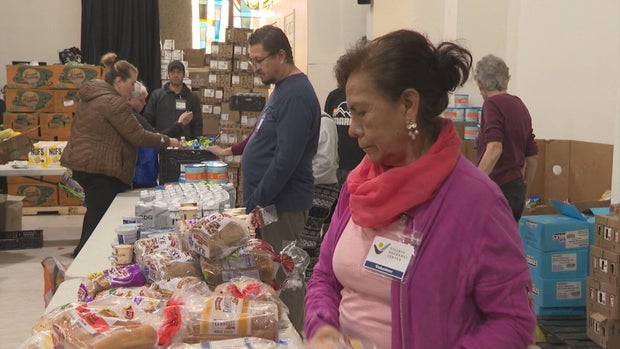
Victoria Morelos is an immigrant from Mexico, but says Colorado is home. She thinks ending birthright citizenship is wrong.
"If they are deported by taking their birthright, they're going to be illegal to the country they're deported to," said Morelos.
She has four children. Three were born in Mexico, and one was born in the United States. She says she didn't come here with the intention to give their kids American citizenship.
"This happened. Yeah. I don't plan; it just happened," said Morelos.
"A lot of people comment about being worried about birthright being taken away from their children," said Morelos.
Should the Supreme Court decide in favor of the Trump administration and ban birthright citizenship, the ban would apply only to children born after the ruling, but Morelos says that hasn't eased the minds of the people she's talked to.
While arguments were heard on Wednesday, a decision is likely to come in June.