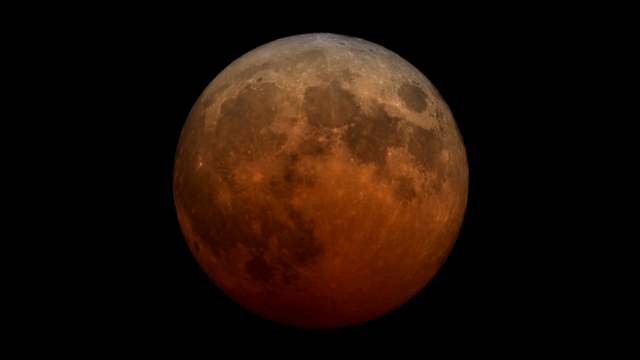
Scientists at Chicago's Adler Planetarium are excited about total lunar eclipse
This month's full moon is due to pass through the shadow of late Thursday night into early Friday morning.
Watch CBS News
This month's full moon is due to pass through the shadow of late Thursday night into early Friday morning.
New research in the journal Nature indicates the moon is older than once believed. Meanwhile, NASA just released some pictures from space that look holiday festive—albeit, of course, unintentionally.

Albert Ramon was supposed to be manning the red kettle this evening, but he decided to swap places with Santa. Also, David Yeomans shows us a striking view of the moon from CBS Skywatch.
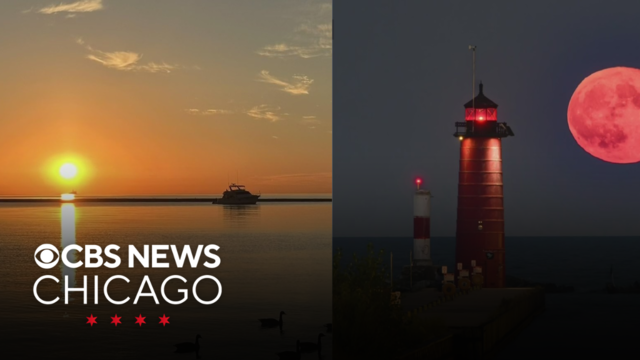
This week, all eyes are in the skies. Here's what caught Mugo Odigwe and Mary Kay Kleist's eye.
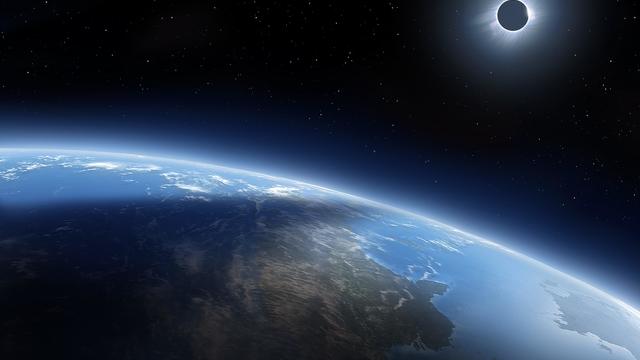
The asteroid was discovered in August and is set to become a mini-moon, spinning around Earth in a horseshoe shape for about two months.
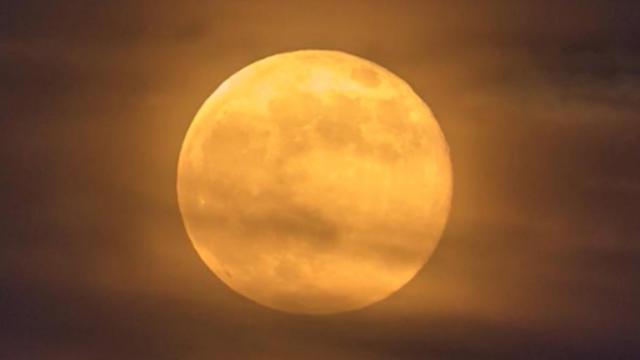
The September Harvest Moon will see a partial lunar eclipse, peaking the night of Tuesday, Sept. 17.
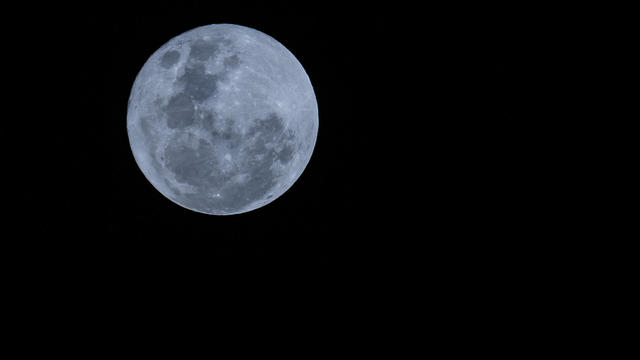
August's full moon, a rare blue moon and supermoon, is lighting up the night sky this week. Here's what time it peaks and where you should look.
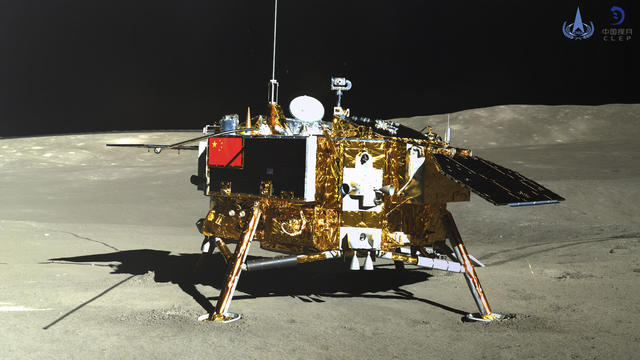
The spacecraft, part of the Chang'e moon exploration program, will collect soil and rock samples.
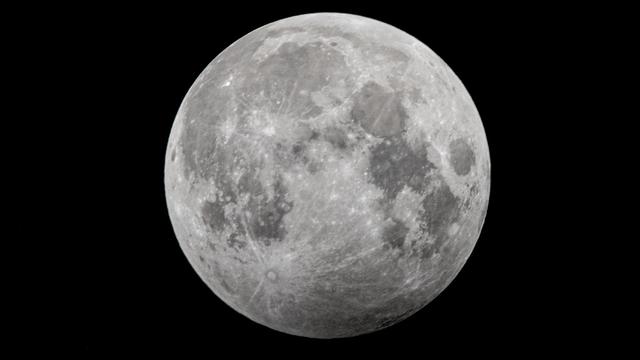
A process called cryopreservation allows cells to remain frozen but alive for hundreds of years. For some animal cells, the moon is the closest place that's cold enough.

It's undergoing rigorous training on Oregon's Mount Hood. The robot named "Spirit" has been testing out its four legs in the rugged terrain, about 50 miles east of Portland, part of the LASSIE Project.
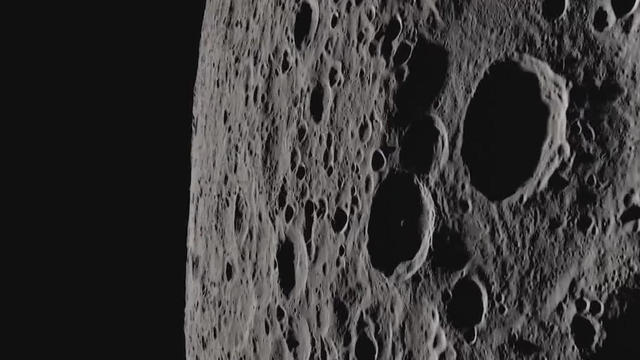
The head of the Office of Science and Technology Policy is asking scientists to establish a first-ever unified standard of time for the moon and other celestial bodies. But it is easier said than done.
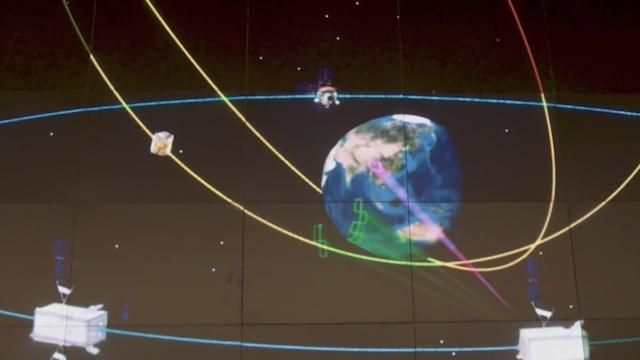
Nuclear power would provide enough electricity to power future lunar settlements, officials say.

The lunar lander rocketing into space is called Odysseus, built by a Houston-based company called Intuitive Machines.
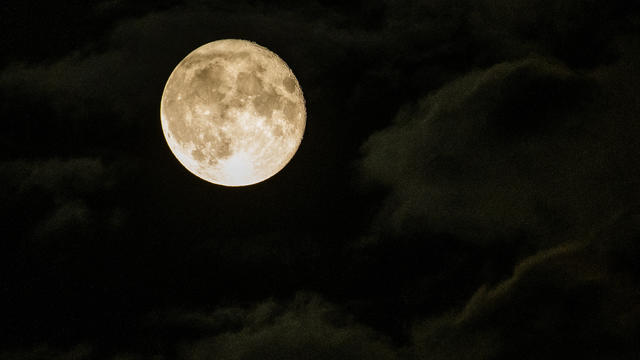
On Aug. 30, you will be able to see the month's second full moon, also known as a blue moon. It will appear bigger and brighter than usual, making it a supermoon, too.
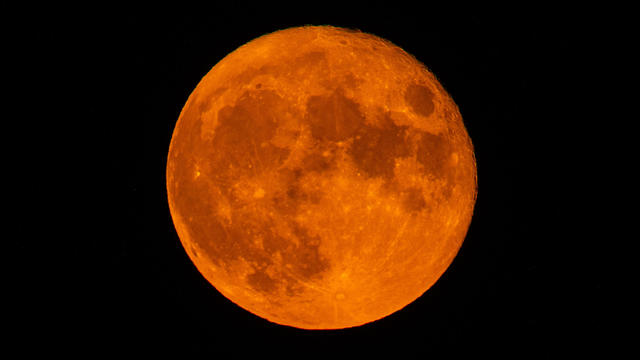
August features a pair of supermoons. The second supermoon will be a rare blue moon.

The full moon appears brighter and bigger than normal because it is closer to Earth than usual.
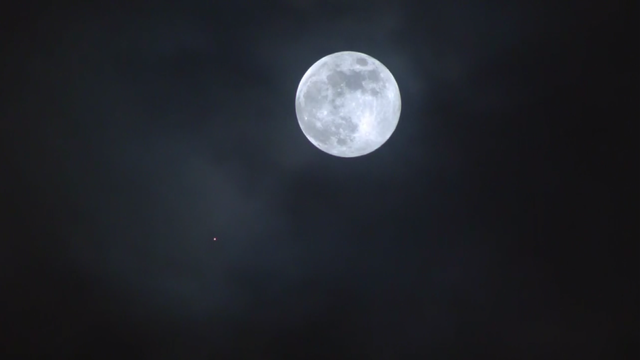
One Chicago man brought all his telescopic equipment to make sure others could see Mars disappear and reappear.
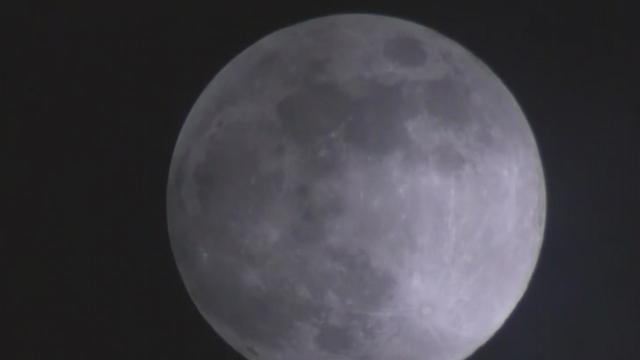
It was nothing short of a magical night for astronomers Wednesday, as there was a rare chance to see the Red Planet dropping out of sight behind the moon. CBS 2's Marybel Gonzalez reports.

Unlike solar eclipses, lunar eclipses last a long time.