
Key to understanding menopause may lie in gut, expert says
Menopause can feel like a major turning point for millions of women, with symptoms like fatigue, weight gain, and brain fog can make women feel like their bodies aren't their own.
Watch CBS News
Menopause can feel like a major turning point for millions of women, with symptoms like fatigue, weight gain, and brain fog can make women feel like their bodies aren't their own.
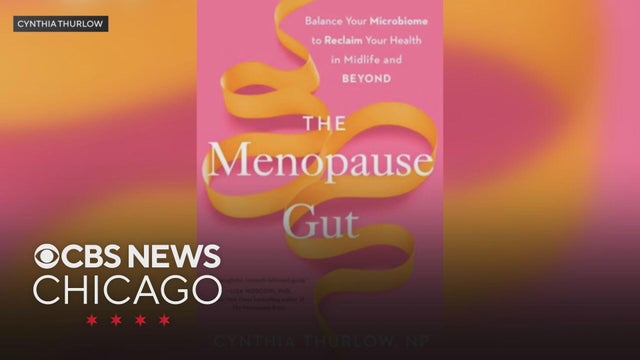
What if the answer to easing symptoms lies deep inside a woman's gut? Nurse practitioner Cynthia Thurlow, author of the new book “The Menopause Gut,” tells Suzanne Le Mignot that the key to understanding menopause may in fact lie in the microbiome.
Studies show 90% of women in perimenopause or menopause use the internet to learn more about things like brain fog, hot flashes, and anxiety. But "menopause Googling" can do more damage than good.

Health experts and doctors are warning that products for menopause are being overly aggressively marketed to women, and that they should consult with a doctor before taking anything they find online.
Researchers at Northwestern University found that early menopause raised long-term heart disease risk by 40%. The study suggests doctors should routinely ask women about their age at menopause to identify high-risk patients.
Dr. Priya Freaney, a cardiologist with Northwestern Medicine, joins CBS News Chicago.

The drug “Addyi” was first approved back in 2015 for pre-menopausal women.
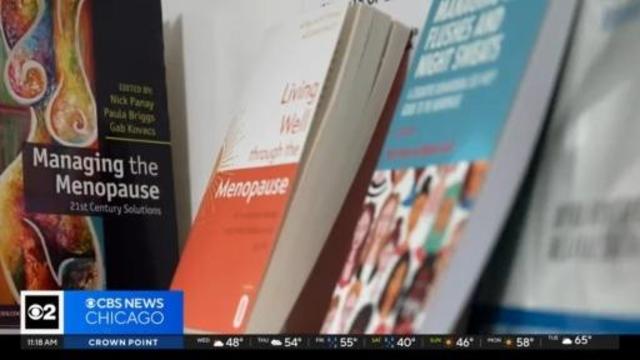
CBS's Leah Mishkin has more on a new report that said it's not a disease and looks at how to empower women as they age.

It's part of a White House initiative on women's health research that launched back in November.

First Lady Jill Biden was in Chicago on Thursday to talk about the importance of women's health research. She made a stop at the University of Illinois Chicago to highlight the importance of more research on menopause and women's health. It's part of a White House initiative on women's health research that launched back in November.
It's part of a White House initiative on women's health research that launched back in November.
Up to 90 percent of women going through menopause develop sometimes debilitating symptoms. The most effective treatment is hormone therapy, but many doctors won't prescribe it. But the tide is changing, as CBS News Dr. Mallika Marshall reports.