
House passes bill to make daylight saving time permanent
The measure also allows states to opt out if they take action before the federal law is enacted.
Watch CBS News
The measure also allows states to opt out if they take action before the federal law is enacted.
That means we would keep the extra hour of evening sunlight year-round, but winter mornings would be darker.
Newly proposed legislation in Springfield would do away with daylight saving time in Illinois if Missouri and Iowa also opt out of the twice-a-year time changes.
The time change known as daylight savings starts Sunday, March 8, 2026. Most Americans lose an hour of sleep when clocks "spring forward."
Longer and lighter days were supposed to save energy, reduce traffic accidents and help people become more active. Governments thought daylight saving time would save money.

Experts have some tips to make “falling back” feel better, and some health experts also want to do away with daylight saving time altogether. Jarred Hill reports.
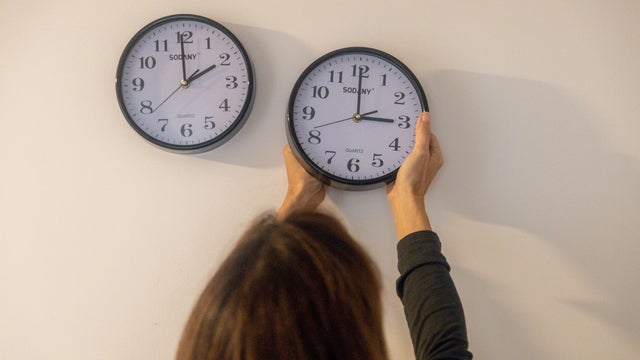
Daylight saving time ended on Sunday, Nov. 2, 2025, when the clocks fell back and we gained an hour.
Daylight Savings Time ends in the wee hours of Sunday morning, Nov. 2, when clocks fall back an hour. A majority of Americans are not in favor of Daylight Savings time.

According to new research out of Stanford, the collective loss of an hour of sleep in March is linked to more heart attacks and car crashes.

A Senate committee held a hearing Thursday on whether the U.S. should continue to change the clock twice a year.

While there have been calls for making daylight saving time permanent, the American Academy of Sleep Medicine says permanent standard time is healthier. Danya Bacchus reports.

This Sunday, Chicagoans will spring forward by an hour, but that time may impact some more than you think. Clara Peek, assistant professor of medicine at Northwestern University, shares some tips on how to better prepare for daylight saving time.

We will "spring forward," meaning our clocks will go forward one hour.
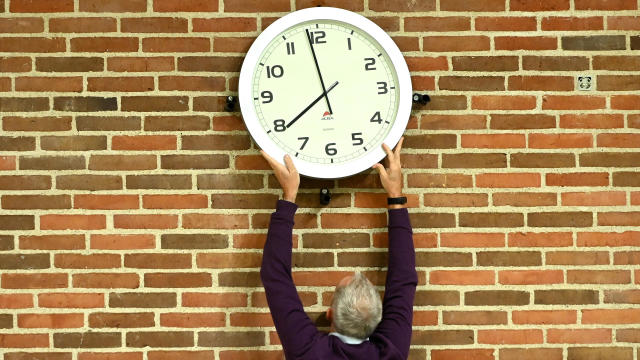
The end to daylight saving time means our clocks "fall back" early Sunday, Nov. 3, 2024. But why do we have to adjust the time twice a year?

Sunday at 2 a.m. is the time to fall back to end daylight saving time.
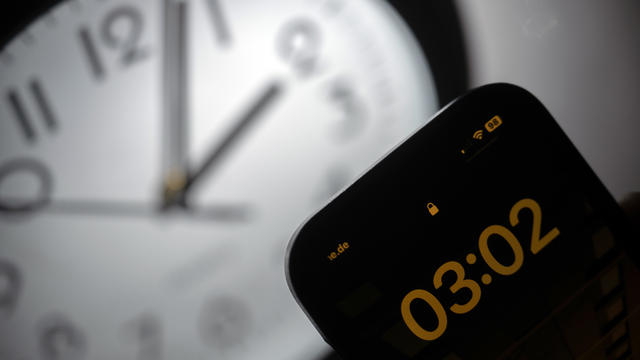
Clocks "spring forward" when daylight saving time begins on Sunday, March 10, 2024.
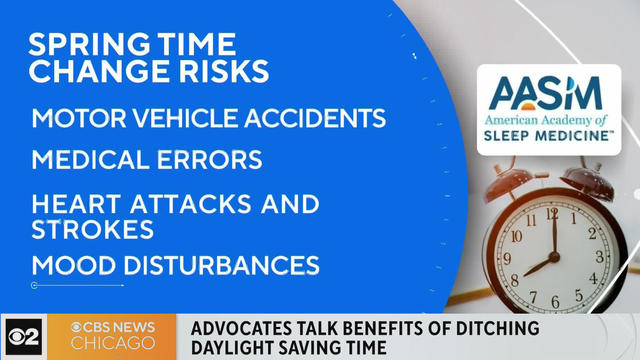
With more and more research suggesting daylight saving time can have dangerous and serious effects on health and safety the American Academy of Sleep Medicine is advocating for year-round standard time.
We turn back the clocks Nov. 5.
The Senate passed the Sunshine Protection Act last year - which would implement permanent daylight-saving time in the U.S. but it's currently stalled in the House.
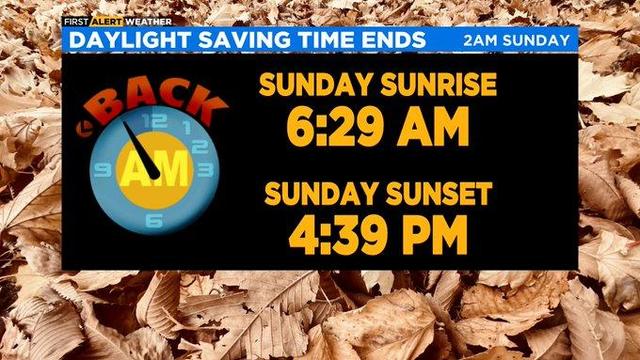
Don't forget to turn your clocks back an hour this weekend.
Six in 10 Americans said they preferred making daylight saving time permanent, according to a poll.