Advocate says Northern Illinois Transit Authority Act, now in effect, will improve transit around Chicago area



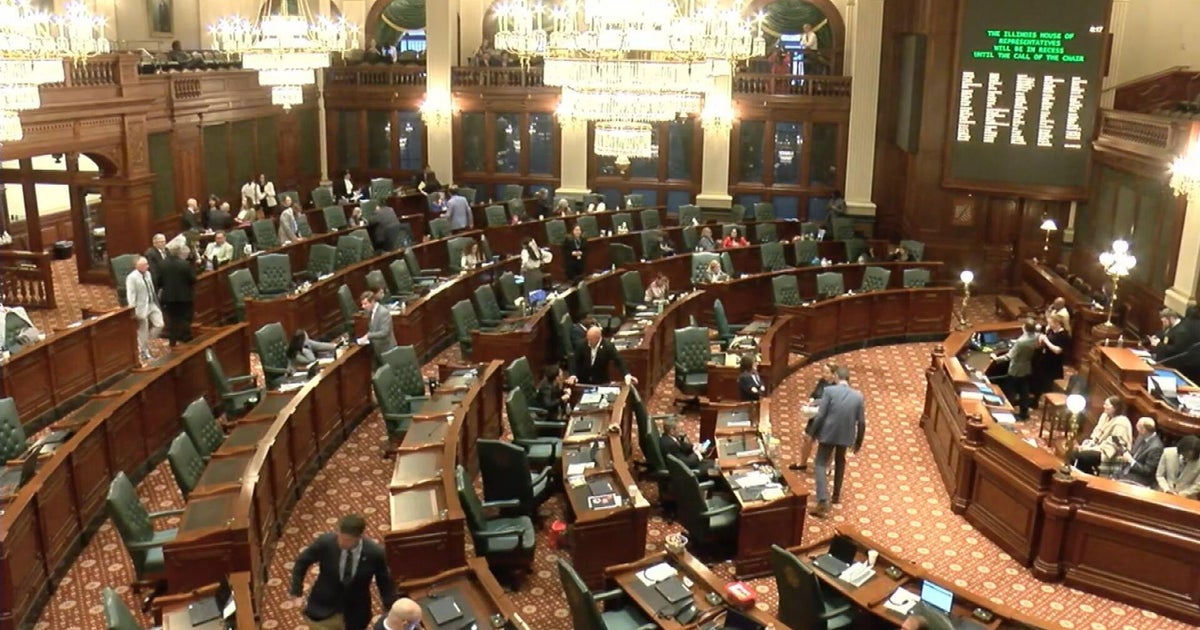
The Northern Illinois Transit Authority Act goes into effect Monday, bringing some changes to public transportation across Chicago and the suburbs.
The legislation replaces the Regional Transportation Authority — which oversees the Chicago Transit Authority, Metra commuter rail, and Pace suburban buses — with a new organization called the Northern Illinois Transit Authority.
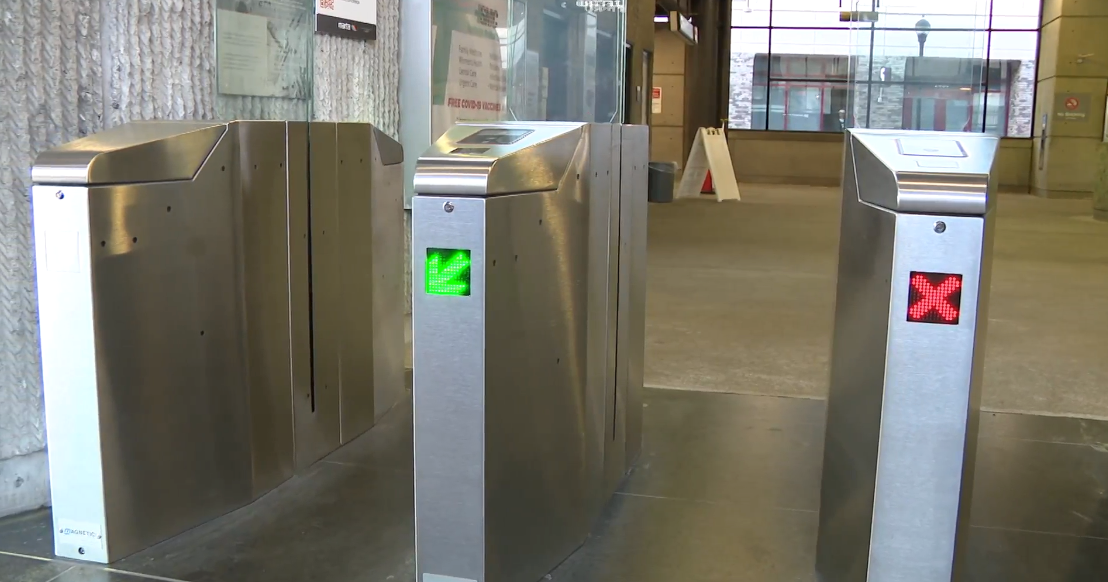
As explained last year when the act was introduced, NITA would be charged with creating a universal fare system and handling all long-term infrastructure projects for the CTA, Metra, and Pace. The bill would also create a dedicated transit police force.
This new organization will bring "board leadership, service planning, policymaking all under one roof," said Juan Sebastian Arias, executive director of Elevated Chicago.
The act also brings "transformative investment" into the transit system in the Chicago area, Arias said.
"So we are going to start seeing a new $1.2 billion annual investment in operations of our transit, and $180 million in capital investments," Arias said. "And ultimately, that means that our transit system is going to improve, and that it's going to become a more reliable and attractive option for riders across the region."
One of the measures included in the Northern Illinois Transit Authority Act also concerns transit-oriented development, which Arias said is much-needed. The bill gives the NITA the power to work with local municipalities to build developments that would be owned by the CTA, Metra, and Pace.
"Equitable transit-oriented development is more walkable, vibrant, mixed-use, dense development near transit that enables people from all communities, all backgrounds to benefit from a walkable neighborhood, having access to grocery stores, to affordable housing options," Arias said.
The act allows NITA to partner with communities to support more equitable transit-oriented development, Arias explained. This could mean more affordable or mixed-income housing near transit in high-cost communities, and it could mean more commercial and community space in disinvested areas, he said.
"And this is really important, because just as transit is how people connect to opportunity, transit is also a lifeline for our neighborhoods," Arias said, "and it can be a catalyst for equity and economic growth , but only if we're really intentional in how we build transit and who benefits from that development."
NITA has been years in the making, and will take a couple of years to roll out and transition to NITA completely, Arias said.
"But I think the thing to really be excited for is that because there's going to be better coordinated service, there's going to be more frequent and reliable trains and bus service too, that very soon, we're going to start seeing — transit's going to become much more reliable," said Arias. "We're going to start seeing those improvements in safety, in reliability, in frequency, and within the next, by 2030, we're also going to be operating under one fare, so that you can more seamlessly transfer between Metra, between Pace, between CTA."